What is Website Development?
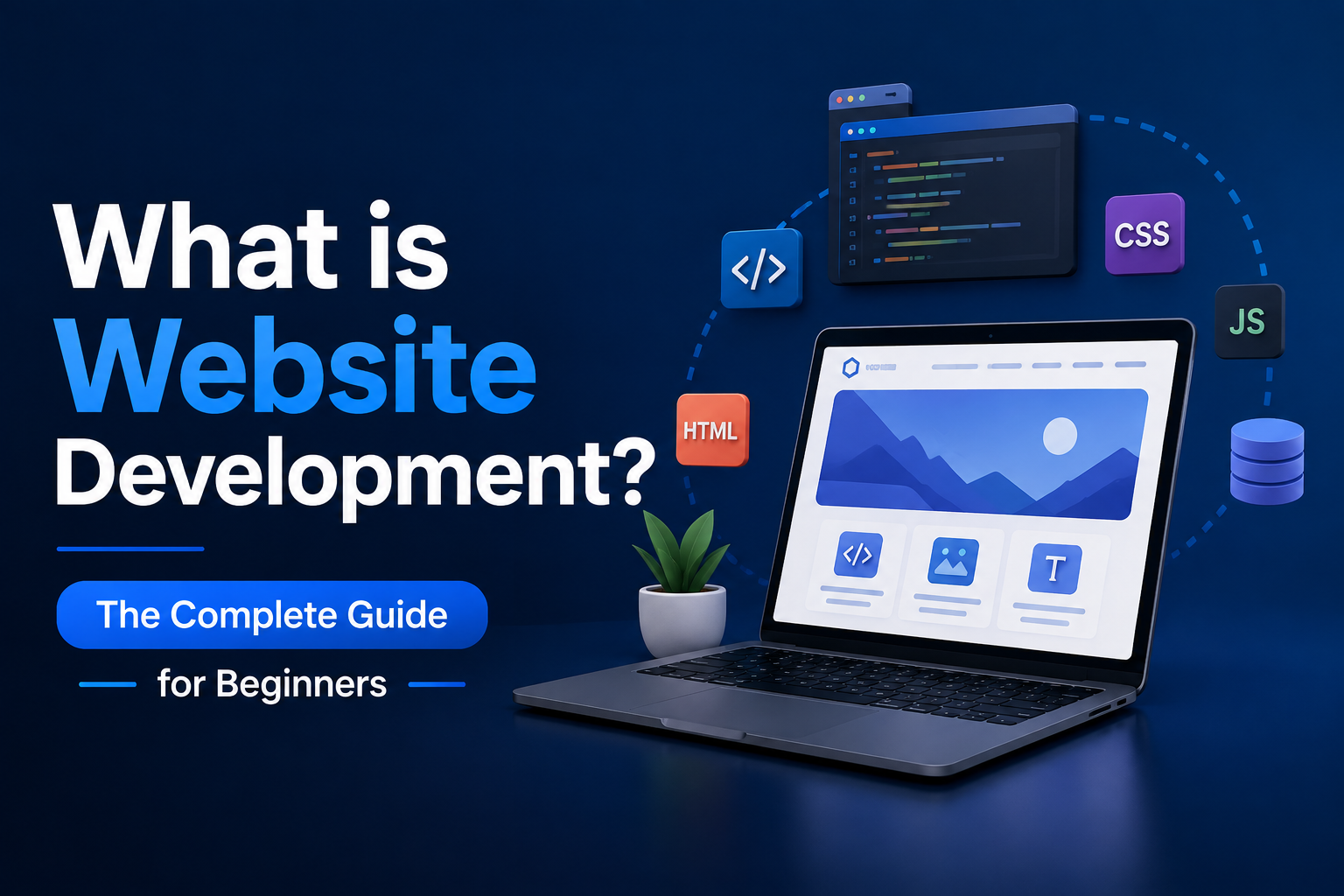
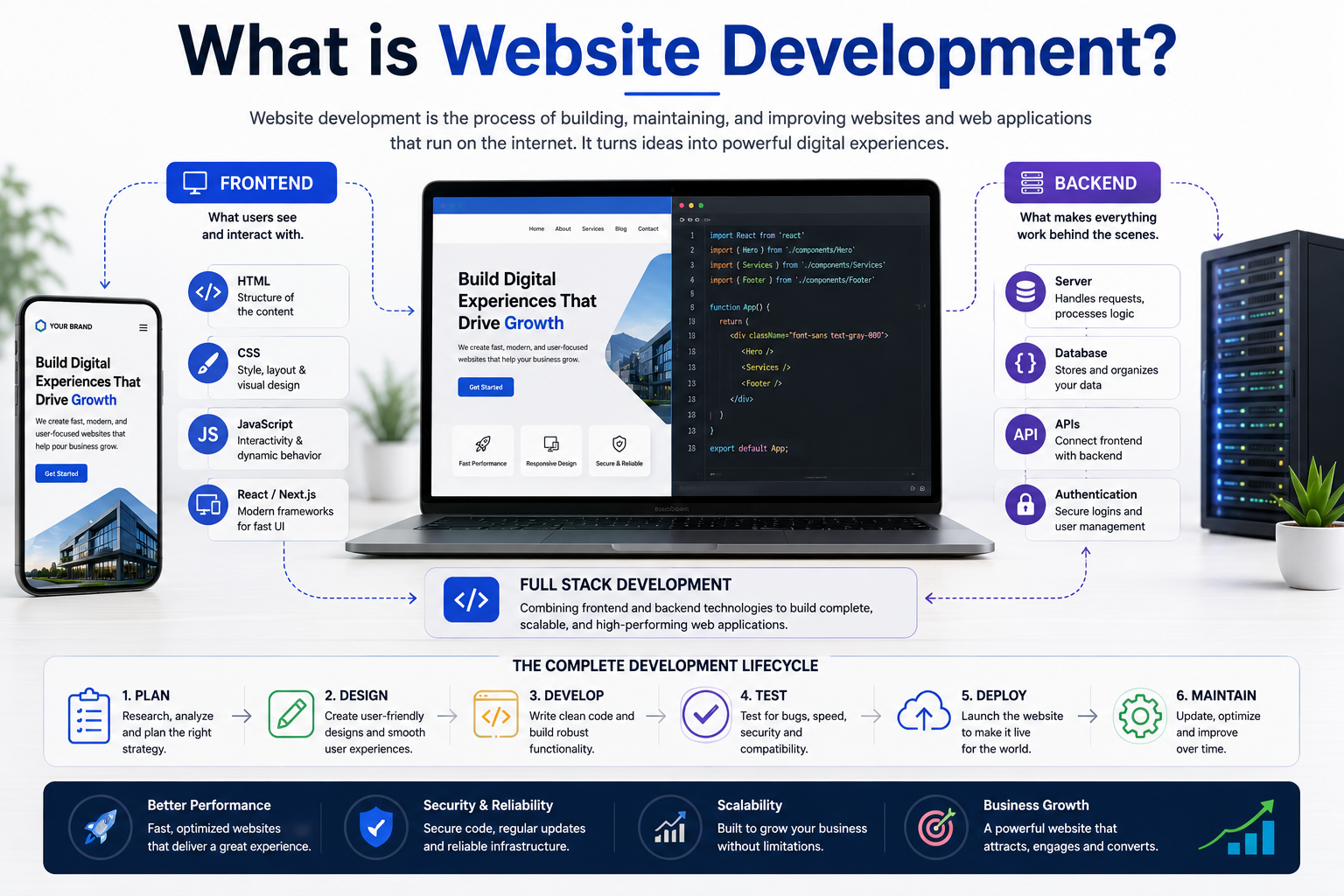
Website development is the process of building, maintaining, and improving websites and web applications that run on the internet or a private network. It covers everything involved in turning a concept into a functioning digital product, from writing the code that structures and styles each page to building the server-side systems that store data, handle user authentication, and power the logic behind every interaction a visitor has with the site.
The term website development is broad by nature. It encompasses frontend development, which is everything a user sees and interacts with in the browser, backend development, which is the server-side infrastructure that makes the site function, and full stack development, which combines both. It also includes the planning, design, testing, deployment, and ongoing maintenance that keep a website performing well long after it goes live.
For businesses, website development is not a one-time project but a continuous investment in a digital asset that represents the company to every potential customer who searches for it online. For developers, it is a profession that combines technical problem-solving, creative thinking, and communication skills in a way that few other careers do. This guide covers both perspectives in full.
Area What It Covers Technologies Involved Frontend Development The visual interface users see and interact with in the browser HTML, CSS, JavaScript, React, Next.js Backend Development Server logic, databases, APIs, and authentication Node.js, NestJS, PostgreSQL, MongoDB UI/UX Design Visual layouts, user journeys, and interaction design Figma, Adobe XD, prototyping tools DevOps and Deployment Hosting, CI/CD pipelines, and infrastructure management AWS, Azure, Docker, Vercel Maintenance and Support Updates, security patches, and ongoing improvements Monitoring tools, version control, testing frameworks
What Is Website Design and Development?
Website design and development are two distinct disciplines that work together to produce a complete, functional website. Design covers the visual side of things, meaning how a site looks, how users navigate it, and how every element is laid out across the screen. Development covers the technical side, meaning the code, the server, the database, and all the logic that makes the site actually work.
When people ask what is website design and development, they are usually trying to understand what goes into building a professional website and why it costs what it costs. The honest answer is that a well-built website is the result of multiple skilled people working through a defined process over several weeks. It is not just a template with your logo dropped in.
In 2026, the bar for what makes a good website has risen significantly. Users expect pages to load in under two seconds, layouts to work perfectly on mobile, and the overall experience to feel smooth and professional. Meeting that standard requires a proper web development strategy from day one, not a shortcut.
The Difference Between Web Design and Web Development
The difference between web design and development is something many business owners find confusing, mostly because agencies sometimes use the terms interchangeably when they should not. They describe very different sets of skills, responsibilities, and outputs.
Web design is a creative process. A designer decides how each page is structured visually, what the color palette looks like, how typography is used, and how a user moves from one section to the next. The goal of design is to make the experience feel intuitive and trustworthy. Bad design increases bounce rates. Good design keeps users engaged and moves them toward taking action.
Web development is an engineering process. A developer takes the approved design and builds it into a real, working product using code. This includes writing the frontend markup and logic that renders in the browser, as well as the backend systems that handle data, user authentication, and server communication. Development determines performance, security, and scalability.
The difference between a web designer and a developer also shows up in the tools they use. Designers work in Figma or Adobe XD. Developers work in code editors, terminal environments, and version control systems like Git. In a professional agency setting, both roles collaborate throughout the entire site design and development process rather than working in separate silos.
What Are Web Development Services?
Web development services are the professional services involved in taking a website from concept to a live, functioning product, and then keeping it running afterward. The term covers a broader scope than writing code. It spans everything a development team is responsible for across a project.
A typical web development services engagement includes:
Discovery and planning — defining goals, scope, and technical requirements before any design or code begins
UI/UX design — the visual and interaction design covered earlier in this guide
Frontend development — building the interface users see and interact with
Backend development — building the server logic, database, and APIs
Integrations — connecting third-party tools like payment processors, CRMs, or marketing platforms
Quality assurance and testing — checking the site works correctly across browsers, devices, and edge cases
Deployment — launching the site onto its hosting infrastructure
Ongoing support — the maintenance and management work covered above
Not every project needs every item on this list at the same depth. A simple business site might need light integration work and minimal QA. A custom web application with user accounts and payment processing needs all of it, in depth, and usually needs it delivered by specialists in each area rather than a single generalist.
This is also where the difference between a freelancer and an agency tends to show up most clearly. A freelancer often covers most of this list personally, which works well for smaller projects. An agency like Munix Studio distributes it across a team, which becomes valuable once a project's complexity, timeline pressure, or technical requirements exceed what one person can reasonably own.
What Is Web Technology?
Web technology refers to the full set of tools, programming languages, frameworks, and infrastructure that developers use to build and run websites on the internet. Understanding what web tech is helps business owners have more informed conversations with their development partners and make smarter decisions about what their project actually needs.
Technologies on the web are divided into two main categories. Client-side technologies are the ones that run inside the user's browser. Server-side technologies run on remote servers and handle data processing, security, and application logic. A well-chosen web development stack combines both sides in a way that is efficient, maintainable, and built to scale.
HTML is the foundational markup language that gives every web page its structure. CSS controls the visual presentation, handling layout, colors, spacing, and responsive behavior. JavaScript is the programming language that adds interactivity, from dropdown menus to real-time form validation. Beyond these three fundamentals, modern web development relies on frameworks and libraries that speed up development while improving performance and reliability.
React is one of the most widely used frontend libraries in the world, built by Meta and used by companies like Airbnb, Netflix, and Atlassian. Next.js builds on top of React and adds server-side rendering and static generation, which gives significant advantages in both loading speed and search engine visibility. On the backend, Node.js and NestJS handle server logic and API development efficiently. MongoDB and PostgreSQL are the two most common database choices depending on the structure and complexity of the data being managed.

Types of Website Development
Not every website is built the same way, and the right approach depends entirely on what the site needs to do. Understanding the main categories helps clarify what kind of project you're actually commissioning.
These categories aren't mutually exclusive. A corporate site might include a CMS-driven blog and a lightweight web application for booking consultations. What matters is identifying the primary function of the site before development starts, since that decision drives the technology stack, the timeline, and the website development plan as a whole. A site built primarily as a brochure site will be over-engineered by an e-commerce stack, and a site meant to scale into a full platform will hit a ceiling quickly if it's built like a brochure site from day one.
Website Development and Hosting: How They Fit Together
Website development and hosting are two separate services that are frequently bought together, and the confusion between them is one of the most common questions business owners have. Development is the process of building the site: writing the code, structuring the pages, and connecting the backend systems. Hosting is the infrastructure that stores that code and serves it to visitors every time someone types in the domain or clicks a link.
A domain name, the website's address on the internet, is registered separately from both. DNS, or the Domain Name System, is what connects that domain to the correct hosting server, translating a human-readable address like munixstudio.com into the numerical location where the site actually lives.
Hosting Type How It Works Best Suited For Shared Hosting Multiple sites share the same server resources Small brochure sites, low traffic VPS Hosting A dedicated slice of a server's resources Growing sites needing more control Cloud Hosting Resources scale automatically with demand Sites with variable or growing traffic Platform Hosting (Vercel, Netlify) Built specifically for modern frameworks React and Next.js applications
Hosting Type How It Works Best Suited For Shared Hosting Multiple sites share the same server resources Small brochure sites, low traffic VPS Hosting A dedicated slice of a server's resources Growing sites needing more control Cloud Hosting Resources scale automatically with demand Sites with variable or growing traffic Platform Hosting (Vercel, Netlify) Built specifically for modern frameworks React and Next.js applications
Hosting Type How It Works Best Suited For Shared Hosting Multiple sites share the same server resources Small brochure sites, low traffic VPS Hosting A dedicated slice of a server's resources Growing sites needing more control Cloud Hosting Resources scale automatically with demand Sites with variable or growing traffic Platform Hosting (Vercel, Netlify) Built specifically for modern frameworks React and Next.js applications
A site built on React and Next.js is typically deployed on platform hosting like Vercel, which is built specifically to handle server-side rendering and static generation efficiently. This is different from traditional shared hosting, which was designed for simpler, template-based sites and struggles to support the same level of performance.
SSL certificates, which encrypt the connection between a visitor's browser and the server, are a baseline requirement today rather than an optional extra. Browsers flag unencrypted sites as insecure, and Google factors SSL into ranking. Most modern hosting platforms issue and renew SSL certificates automatically.
One question worth asking any development partner before a project starts is who owns the hosting account, the domain registration, and the codebase once the site is live. A properly run project hands over full ownership of all three to the client, not just access to a finished website.
Why Your Business Needs a Strategic Web Development Process
A web development strategy is the difference between a website that simply exists and one that actively contributes to business growth. Without a clear strategy, projects tend to drift. Scope expands, timelines slip, and the final product ends up serving the agency's convenience rather than the client's goals.
Strategic website development starts with a clear definition of what success looks like. Is the goal to generate qualified leads? To reduce customer support volume by providing better self-service content? To sell products directly through an e-commerce system? Each goal leads to completely different decisions about structure, functionality, and the website development phases involved.
Web development in digital marketing also plays a major role in how a site is built. A website that is not built with marketing in mind from the start is much harder to optimize afterward. Page speed affects search rankings. URL structure affects how Google crawls and indexes content. Schema markup affects how pages appear in search results. These are development decisions, not afterthoughts, and they need to be part of the website development plan from the beginning.
Website Development, Management, and Maintenance
Launching a website is not the end of the development process. Every live site needs ongoing management to stay secure, current, and functioning the way it did on day one. Website management covers the day-to-day oversight of a live site: monitoring uptime, updating content, tracking performance, and making sure nothing breaks quietly in the background.
Maintenance is the more technical side of that ongoing work. It includes patching security vulnerabilities as they're discovered, updating the frameworks and dependencies a site is built on, fixing bugs that surface after launch, and taking regular backups so a site can be restored if something goes wrong. Frameworks and libraries release updates constantly, and a site that isn't kept current becomes both a security risk and, over time, harder to update at all as the gap between its version and the latest one grows.
Most agencies offer ongoing support under one of two models:
Retainer support — a fixed monthly scope or hours, suited to sites that need regular, predictable attention
Ad hoc support — work billed as needed, suited to stable sites with irregular requests (covered in the next section)
Neither replaces the other. A site can run on a retainer for routine maintenance while still using ad hoc support for the occasional one-off request that falls outside the agreed scope.
The cost of skipping this stage is rarely visible until it's expensive. An unpatched vulnerability, an outdated plugin, or a dependency that silently breaks a checkout flow can cost far more to fix in an emergency than it would have cost to prevent through routine maintenance and support.
Custom Development Versus Templates
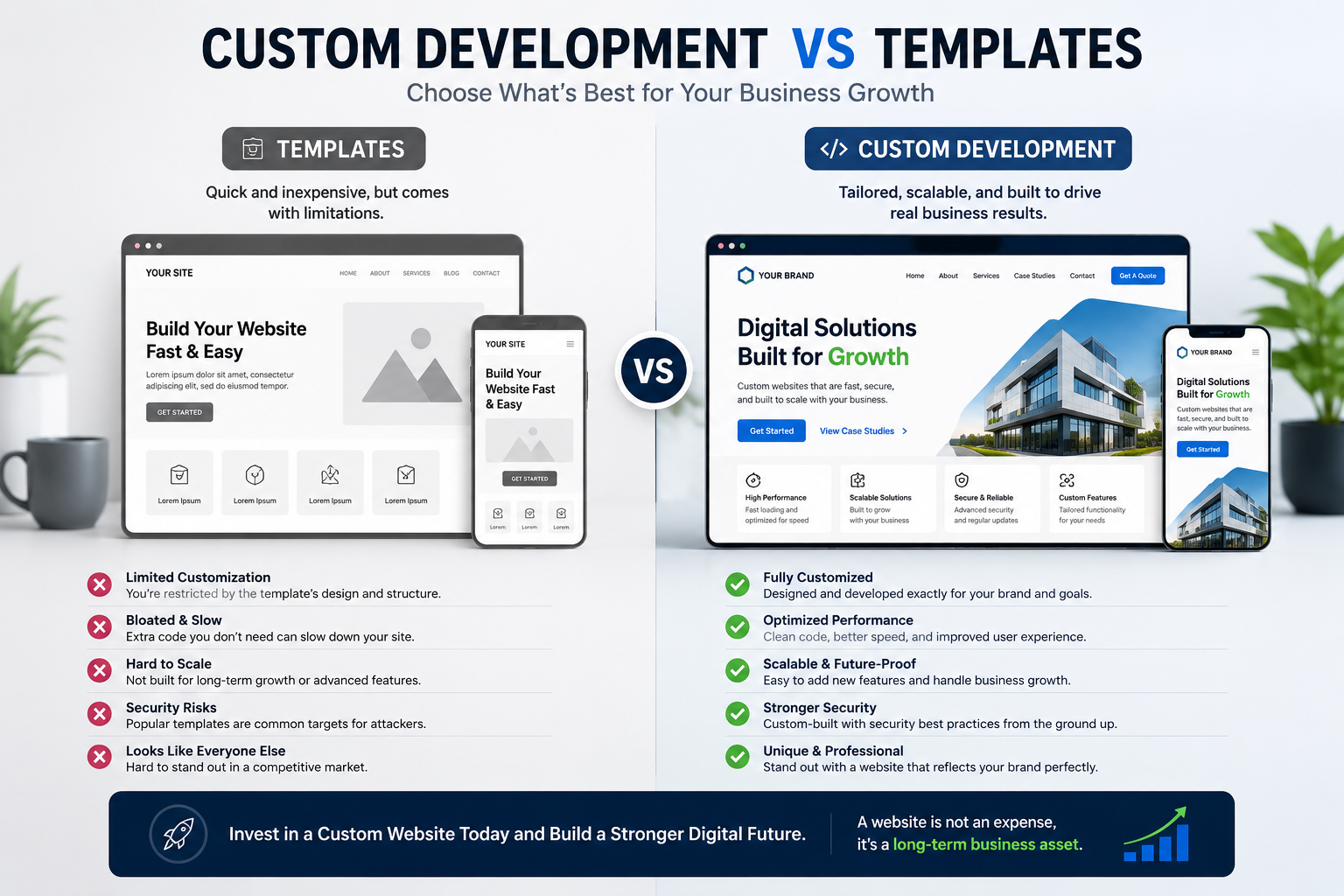
A common question in the website design and development process is whether a template or page builder is good enough. For some very simple use cases, a template can get something online quickly. But for businesses that are serious about growth, templates come with real limitations that become more painful as the business scales.
Templates are built to work for everyone, which means they are optimized for no one. They carry bloated code, limited customization options, and structural constraints that make it difficult to add new features without breaking existing ones. Complex website development, especially anything involving custom workflows, integrations, or high traffic volumes, consistently outperforms template-based builds when done on a proper custom stack.
Web development for business is best thought of as a long-term investment rather than a one-time expense. A custom-built site built on React and Next.js gives you complete ownership over the codebase, full flexibility to evolve the product, and performance characteristics that page builders simply cannot match.
What Does a Web Developer Do?
Web developers build and maintain the technical foundations that power websites and web applications. What web developers do on a day-to-day basis varies depending on their specialization, but in general it involves writing and reviewing code, testing new features, fixing bugs, collaborating with designers, and working through the website development project timeline to hit milestones on schedule.
Web programmer responsibilities also extend into communication and documentation. A developer needs to be able to explain technical decisions in plain language, write clear documentation so the codebase can be maintained by others, and flag potential problems before they become expensive to fix. In a web dev business context, these soft skills matter almost as much as technical ability.
There is also the question of what a web content developer does, which is slightly different from a traditional developer role. A web content developer works at the intersection of editorial and technical work, managing the content that lives on a website including text, images, and structured data. They often work within a CMS and are responsible for making sure content is formatted correctly, optimized for search, and integrated properly into the existing site structure.
What Is Ad Hoc Website Development?
Ad hoc website development is unscheduled, on-demand development work carried out as needs arise, rather than as part of a fixed-scope project or a fixed monthly retainer. Work is requested, quoted or logged against an agreed rate, and delivered task by task. The term appears most often in procurement and enterprise contracting, where organisations need a standing arrangement to call on a development team without committing to a defined project upfront.
The model exists because most websites do not stop needing work after launch. A marketing team needs a new landing page for a campaign. A form breaks after a third-party API changes. A compliance requirement means a cookie banner has to be rebuilt. None of these are large enough to scope as projects, and collectively they are unpredictable enough that a fixed retainer either wastes budget or runs short.
What Does a Web Developer Do?
Web developers build and maintain the technical foundations that power websites and web applications. What web developers do on a day-to-day basis varies depending on their specialization, but in general it involves writing and reviewing code, testing new features, fixing bugs, collaborating with designers, and working through the website development project timeline to hit milestones on schedule.
Web programmer responsibilities also extend into communication and documentation. A developer needs to be able to explain technical decisions in plain language, write clear documentation so the codebase can be maintained by others, and flag potential problems before they become expensive to fix. In a web dev business context, these soft skills matter almost as much as technical ability.
There is also the question of what a web content developer does, which is slightly different from a traditional developer role. A web content developer works at the intersection of editorial and technical work, managing the content that lives on a website including text, images, and structured data. They often work within a CMS and are responsible for making sure content is formatted correctly, optimized for search, and integrated properly into the existing site structure.
Where Do Web Developers Work?
Web developers work across virtually every industry. Because web development services power the modern economy, the demand for skilled developers exists in healthcare, finance, retail, education, entertainment, logistics, and government. Every organization that operates online needs people who can build and maintain its digital infrastructure.
In terms of working environment, developers have more flexibility than most professions. Many work at digital agencies, handling multiple client projects across different industries and gaining exposure to a wide range of technical challenges. Others work in-house at a single company, focused entirely on that organization's products and platforms. A significant portion of the developer community works as independent freelancers, building a web developer business around their own client relationships and chosen specializations.
Remote work is also deeply embedded in web development culture. Unlike many professions that require a physical presence, development work can be done effectively from anywhere with a reliable internet connection. This has made web development one of the most globally distributed professions in the world.
Is Web Programming Hard?
Is web programming hard? Honestly, it depends on how you approach it. The foundational concepts of HTML, CSS, and basic JavaScript can be picked up by most people within a few months of consistent practice. What takes longer is developing the problem-solving mindset that makes a developer genuinely effective. Writing code is one skill. Debugging complex systems under pressure, architecting scalable solutions, and making sound technical decisions are different skills that come with experience.
Modern tools and frameworks have made web programming more accessible than it was ten years ago. The ecosystem of documentation, tutorials, and open-source resources available today means that a motivated learner has everything they need to get started without a formal computer science degree. Many working developers are entirely self-taught or came through intensive bootcamp programs rather than traditional university routes.
How Long Does It Take to Become a Web Developer?
How long it takes to become a web developer depends on the path taken and the level of commitment involved. For someone studying full-time and building projects consistently, a solid foundation in frontend development can be established in three to six months. Reaching a level where you can confidently handle professional projects, including backend systems and database work, typically takes one to two years.
How long it takes to become a website developer in a professional agency context is a slightly different question. Agencies expect developers to be proficient with version control, comfortable working in a team environment, and capable of reading and contributing to an existing codebase from day one. These skills come from building real projects, not just following tutorials. The difference between someone who has studied for six months and someone who has shipped real products is significant, and experienced hiring managers can spot it quickly.
Is Web Development a Good Career?
Web development consistently ranks among the most stable and well-compensated career paths available. The demand for web development services continues to grow as more businesses shift their operations and customer relationships online. A career as a web developer offers strong earning potential, flexibility in how and where you work, and the creative satisfaction of building products that real people use every day.
The field also rewards continuous learning. Technology evolves rapidly, and developers who stay current with modern frameworks, design patterns, and development methodologies consistently find themselves in demand. Whether you pursue a career as a web development specialist within an agency, grow into a leadership role, or build your own web developer business, the trajectory of the profession is genuinely strong.
Do You Need a Degree to Be a Web Developer?
No. A degree is not a requirement to work as a web developer, and in most hiring contexts it is not the primary factor employers evaluate. What matters far more is your portfolio, your ability to solve real problems, and your comfort working within a professional development workflow. Many of the most capable developers working at top companies today are self-taught or came through bootcamp programs rather than four-year university degrees.
That said, a computer science degree does provide a strong theoretical foundation, particularly in areas like algorithms, data structures, and system design, that can accelerate growth at senior levels. For most entry-level positions and freelance work, a strong portfolio of shipped projects will consistently outperform a degree with no practical experience attached to it.
Web Development and Software Development: What Is the Difference?
Web development and software development are related fields with meaningful distinctions. Web development focuses specifically on building products that run in a browser or on the web, including websites, web applications, and APIs. Software development is a broader term that encompasses all types of software, including desktop applications, mobile apps, operating systems, embedded systems, and enterprise software.
A software developer and a web developer may use overlapping skills, particularly in areas like data structures, version control, and application architecture, but they often work in different environments with different constraints. Web development tends to have a stronger focus on performance in low-bandwidth conditions, cross-browser compatibility, and user experience across diverse devices and screen sizes.
Ready to Build Your Website the Right Way?
Understanding what website design and development involves is the first step. The next step is working with a team that executes it properly. At Munix Studio, we handle the full site design and development process from discovery through to launch, using a modern web development stack built for performance, scalability, and long-term business growth.
If you are ready to move forward with a website that is built to rank, convert, and scale, explore our services below.
Website Development Services — Custom websites built on React and Next.js, engineered for speed, SEO, and growth.
UI/UX Design Services — User interfaces designed to reduce friction and improve conversion at every touchpoint.
App Development Services — Mobile and web application development for businesses that need more than a standard website.
Maintenance and Support — Ongoing management to keep your website secure, updated, and performing at its best.
Frequently Asked Questions
What does a web developer do on a daily basis?
On a typical day, a web developer writes and reviews code, tests features in staging environments, fixes reported bugs, and works through the current milestone in the website development project timeline. They also attend brief team syncs to align on priorities, review pull requests from colleagues, and update documentation so the codebase stays readable and maintainable. The balance between new development and maintenance work shifts depending on the project phase.
What is web tech in simple terms?
Web tech is the collective term for all the tools and languages used to build websites. At the most basic level this includes HTML for structure, CSS for styling, and JavaScript for interactivity. Modern web tech also includes frameworks like React and Next.js that make development faster and more reliable, backend tools like Node.js for server logic, and cloud platforms like AWS for hosting and infrastructure. Together these technologies form the web development stack that powers everything from simple landing pages to complex web applications.
Development, Staging, and Production Environments
Every properly run website project moves through three distinct environments before and after launch, and understanding the difference helps explain why a live site doesn't change the moment new code is written.
Development environment — where a developer writes and tests code on their own machine, isolated from the live site
Staging environment — a private, near-identical copy of the live site where changes are tested in a realistic setting before anyone sees them publicly
Production environment — the live, public-facing site that visitors actually interact with
New features, redesigns, and fixes are built in development, verified in staging, and only pushed to production once they've been checked and approved. This workflow exists to prevent broken code, layout issues, or bugs from ever reaching a visitor. A site skipping the staging step entirely is effectively testing changes on real customers, which is why "website in development" or "under construction" pages exist: they signal that a site, or a section of one, is mid-build and not yet ready for production traffic.
This three-stage workflow is standard practice across professional web development and is one of the clearest indicators of whether a team is following a proper website development process or simply editing a live site directly and hoping nothing breaks.
Where does a web developer work?
Web developers work in a wide variety of environments. Many are employed at digital agencies where they handle multiple client projects at once. Others work in-house at companies managing internal platforms and products. A large portion of the developer community works remotely as freelancers or contractors, which is one of the most appealing aspects of the profession. The nature of web development work makes it highly compatible with remote and flexible working arrangements.
Do you need a degree to be a web developer?
No, a degree is not required. Most employers and clients evaluate web developers based on their portfolio, their problem-solving ability, and their experience with real projects. Many successful developers are entirely self-taught or completed intensive bootcamp programs. A computer science degree can strengthen your theoretical foundations, but it is not a gate that keeps skilled developers out of the profession. What matters most is what you can actually build.
What is the difference between web design and web development?
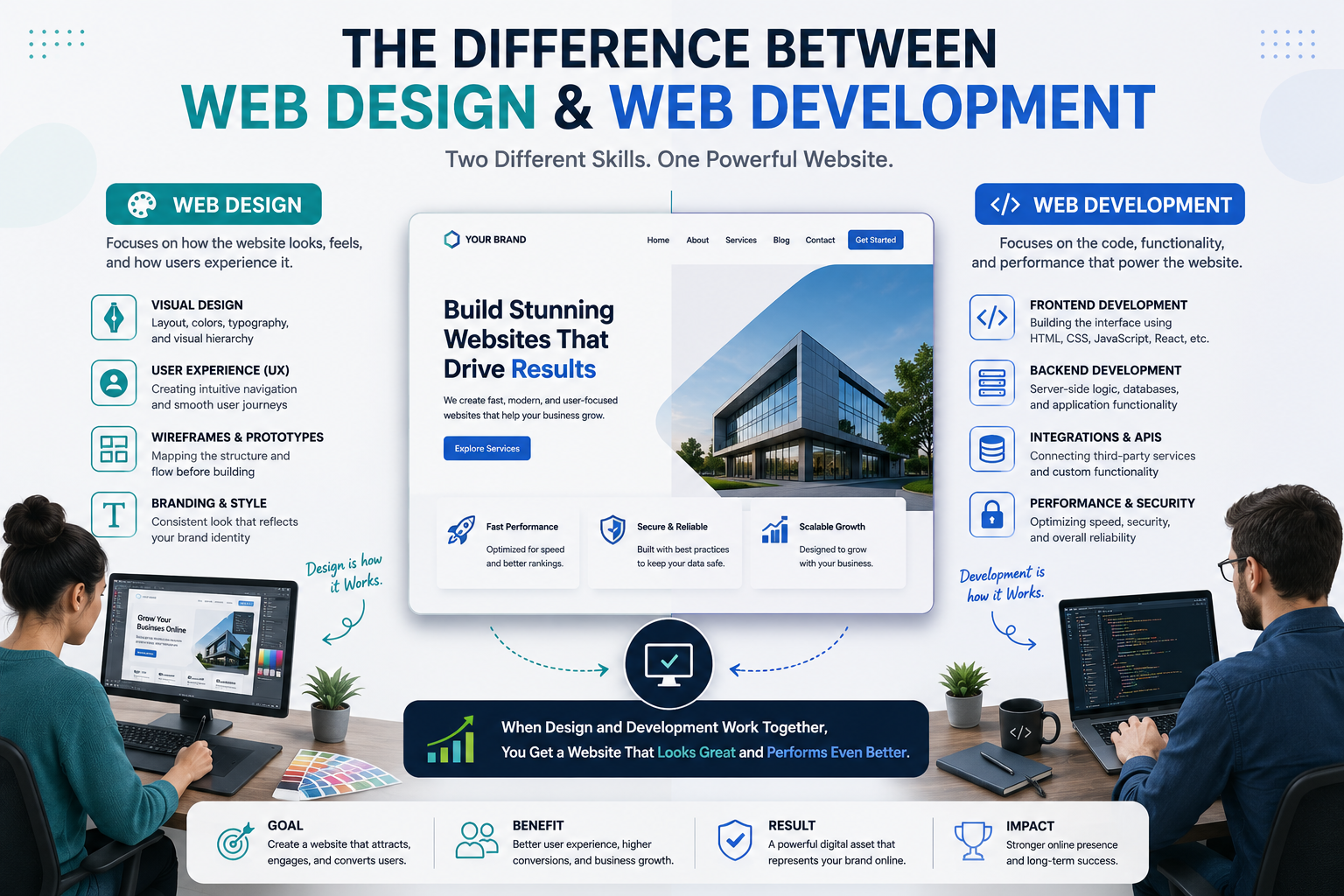
Web design is the creative and visual discipline focused on how a website looks and how users experience it. Web development is the technical discipline focused on how the website is built and how it functions. Design produces the layout, visual hierarchy, and interaction patterns. Development produces the code, backend systems, and infrastructure that bring that design to life. Both are essential. A beautifully designed site that loads slowly or breaks on mobile fails its users just as much as a technically solid site with a confusing interface.
Is web programming hard to learn?
The basics of web programming are accessible to most people with consistent practice and the right resources. HTML and CSS can be learned in a matter of weeks. JavaScript takes longer to develop confidence with, and frameworks like React add another layer on top of that. What makes web programming genuinely challenging is not any single concept but the combination of skills required to build production-quality applications, including debugging, performance optimization, security awareness, and working effectively in a team environment. These come with time and real project experience.
How long does it take to become a web developer?
For someone studying consistently and building projects alongside their learning, a solid entry-level foundation typically takes between six months and one year. Reaching a level where you can confidently handle professional client work, including backend systems and deployment, generally takes one to two years. The timeline varies significantly based on how much time you invest, how deliberately you practice, and how quickly you move from tutorials to building real things.
What is a web content developer?
A web content developer is a professional who manages and structures the content that appears on a website. Unlike a traditional frontend or backend developer, a web content developer works closely with editorial teams to ensure that text, images, videos, and other assets are correctly formatted, SEO-optimized, and integrated into the site's content management system. The role sits between technical development and content strategy, requiring both an understanding of how websites work and how content performs in search.
What is the role of a web developer in a business?
In a business context, a web developer's role goes beyond writing code. They are responsible for the technical health of the company's digital presence, including site performance, security, uptime, and the reliable delivery of new features. In an agency, this means managing client projects through the full website development life cycle. In-house, it means continuously improving a product while keeping existing systems stable. The role also involves translating business requirements into technical solutions and communicating clearly with non-technical stakeholders.
Frequently Asked Questions
Ready to Get Started?
Professional Website Development Services
At Munix Studio, we don't just build websites; we architect high-performance digital experiences. Whether you need a scalable SaaS platform using NestJS or a high-speed frontend with Next.js, we provide the expertise to help your business dominate the search rankings.
Explore Website DevelopmentRelated Articles
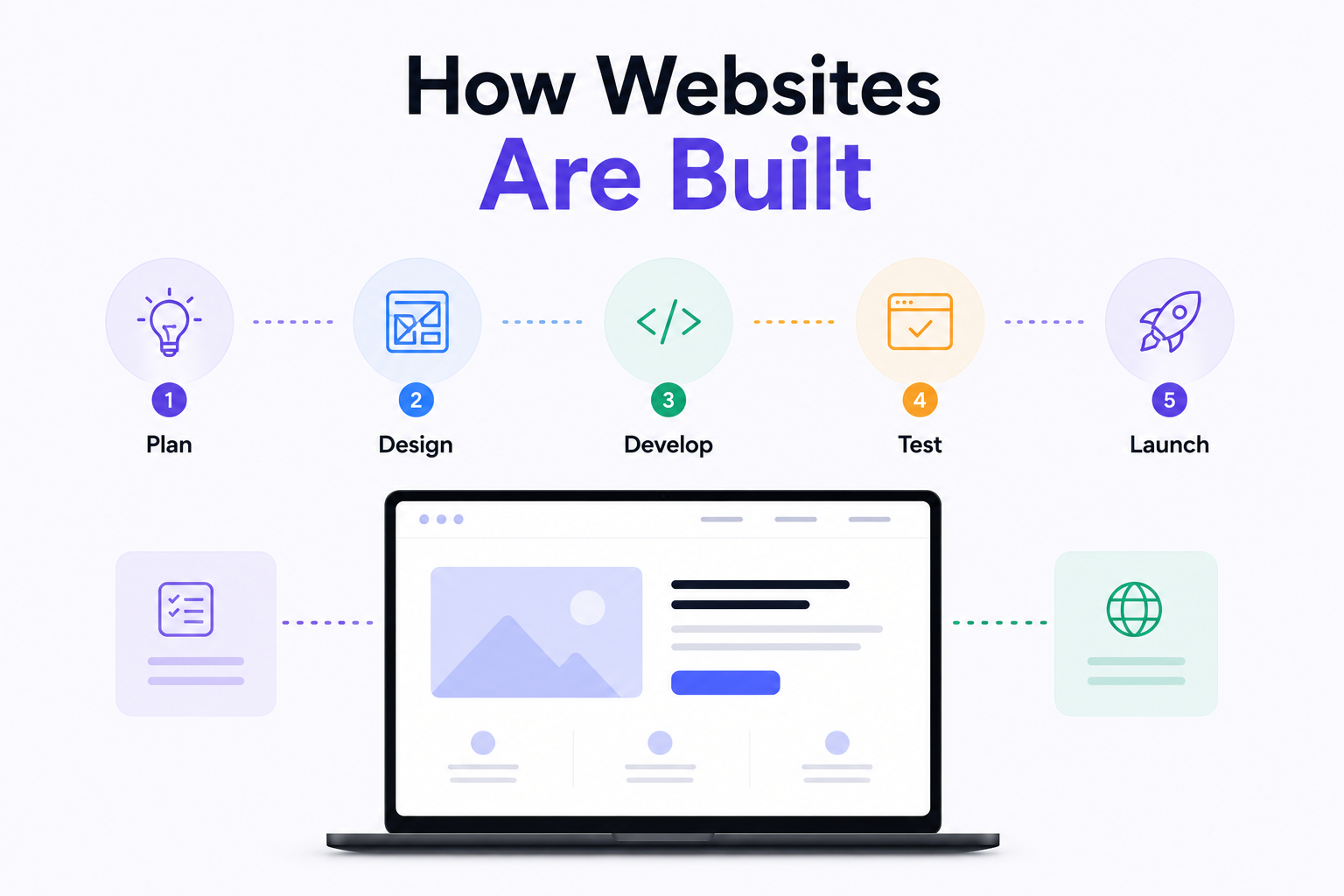
How Are Modern Websites Built in 2026?
Website Development Process & Life Cycle : Complete Guide
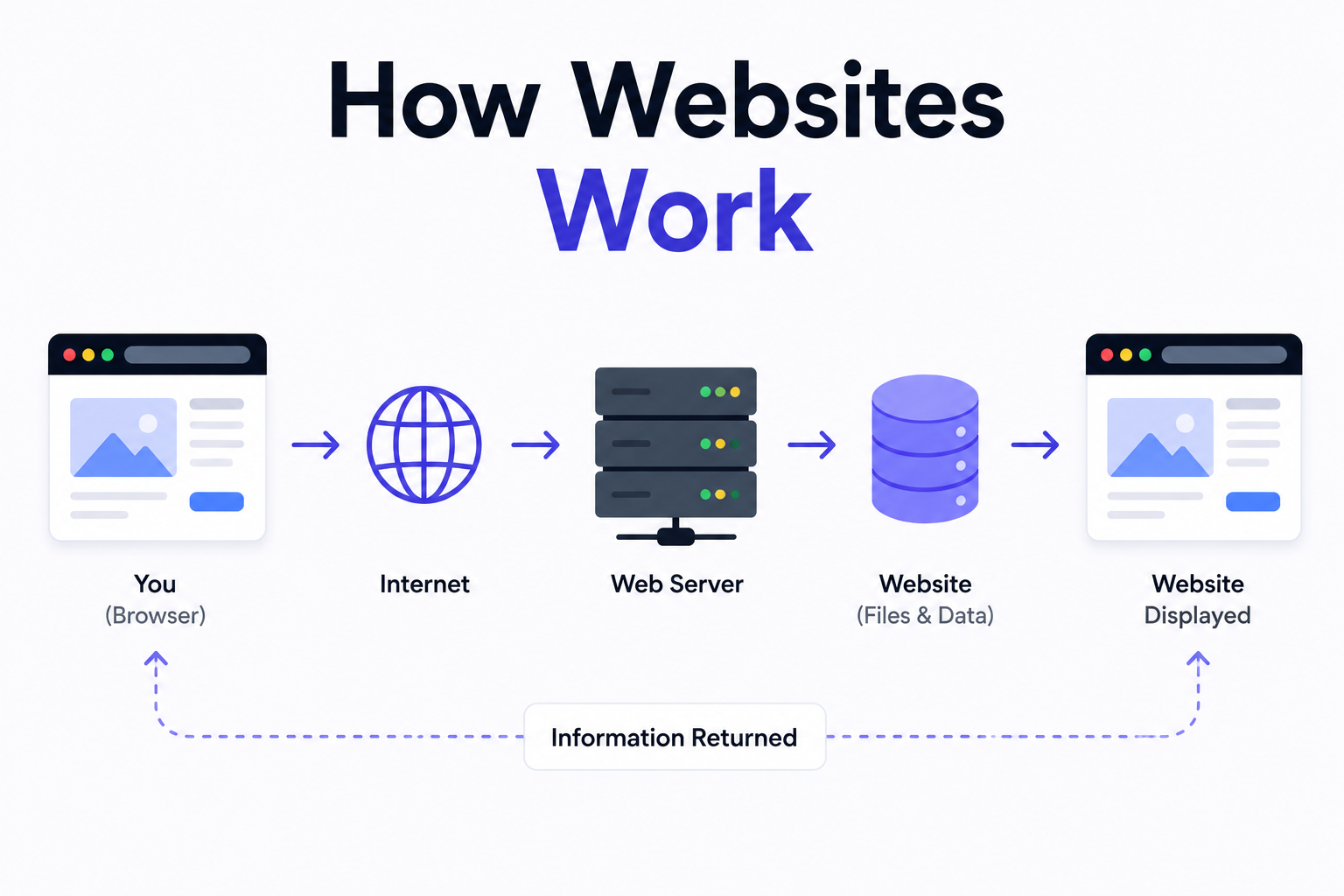
How Websites Work: DNS, Servers, Browsers
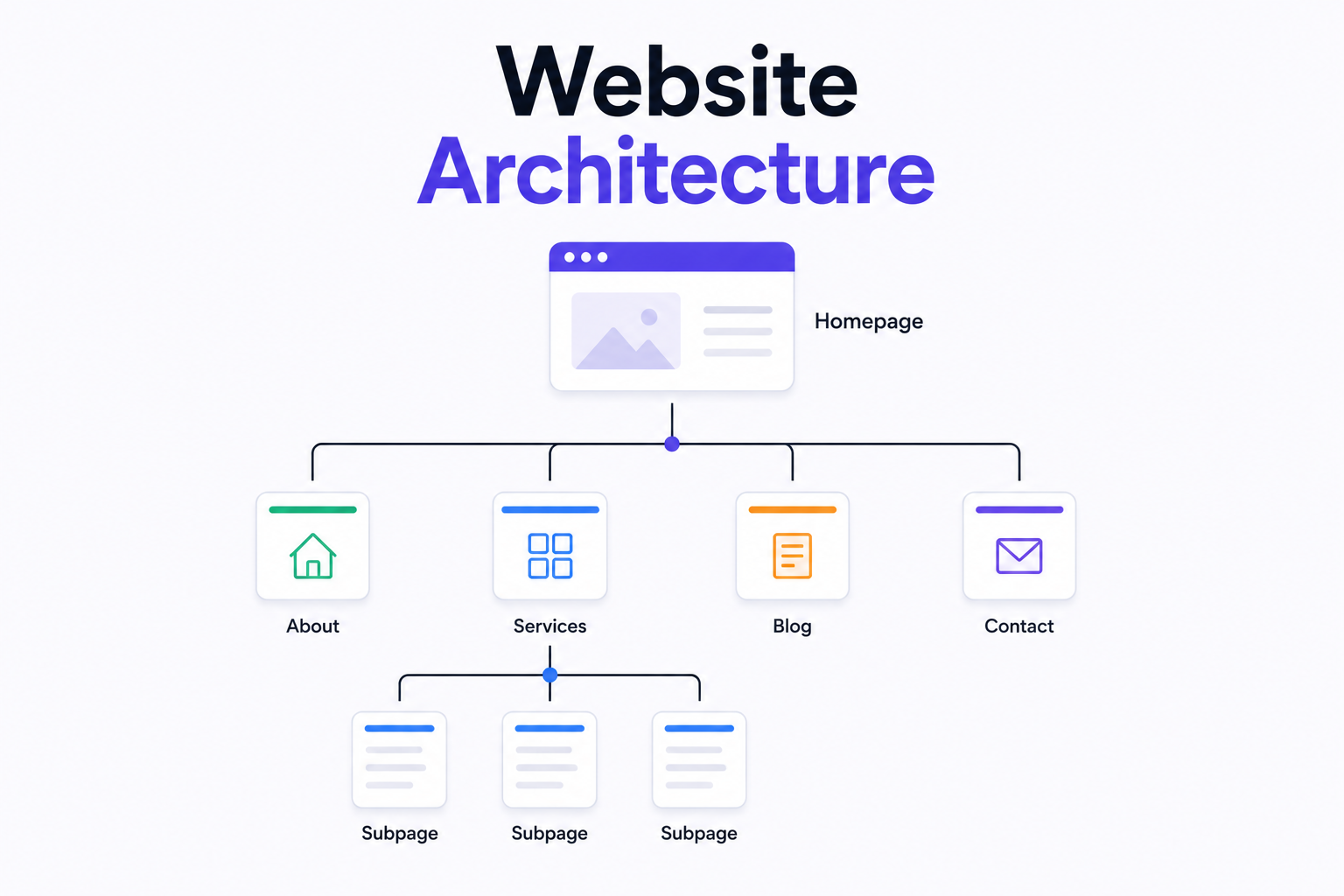
What is Website Architecture? Best Practices
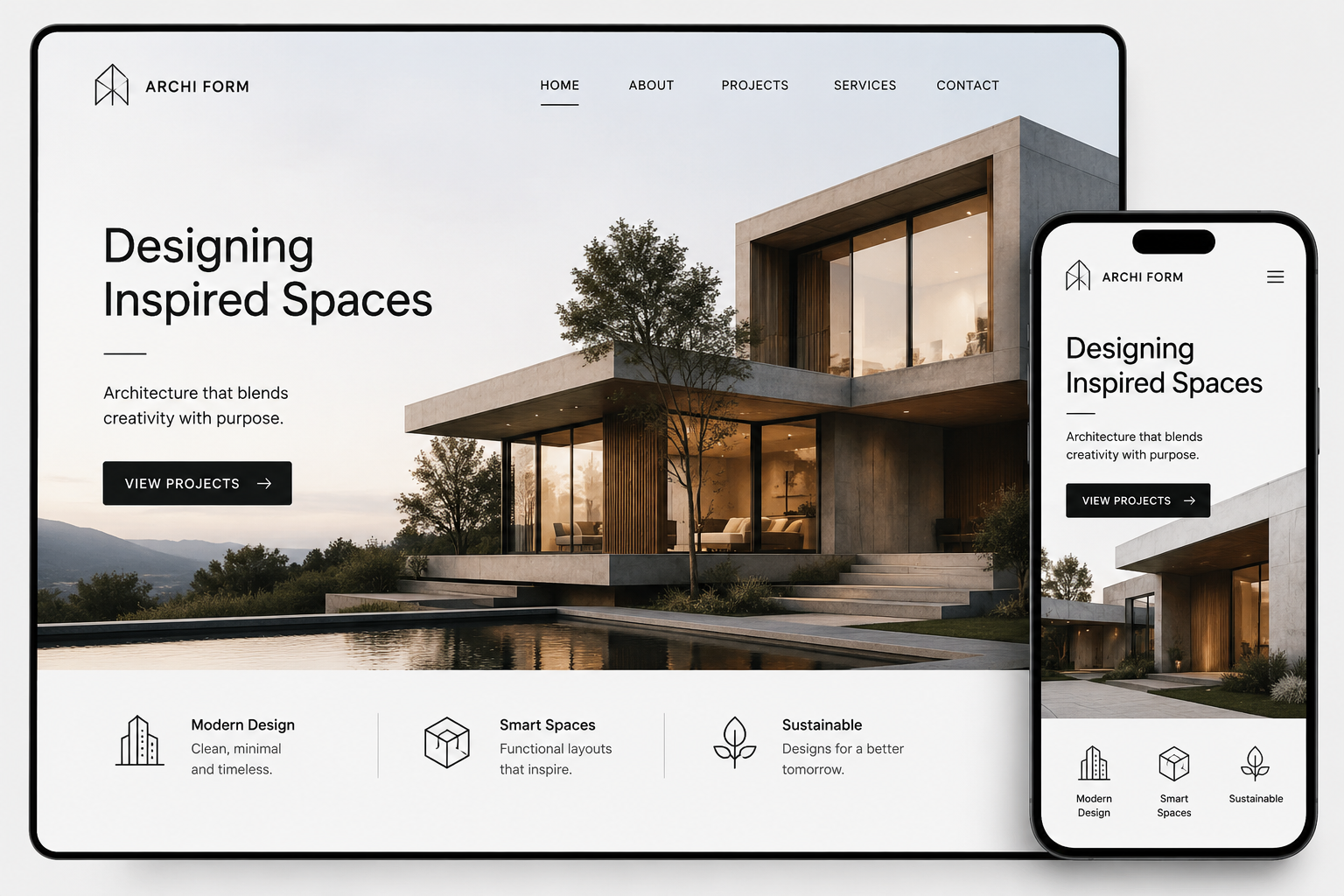
Architecture Firm Website Design & Portfolio