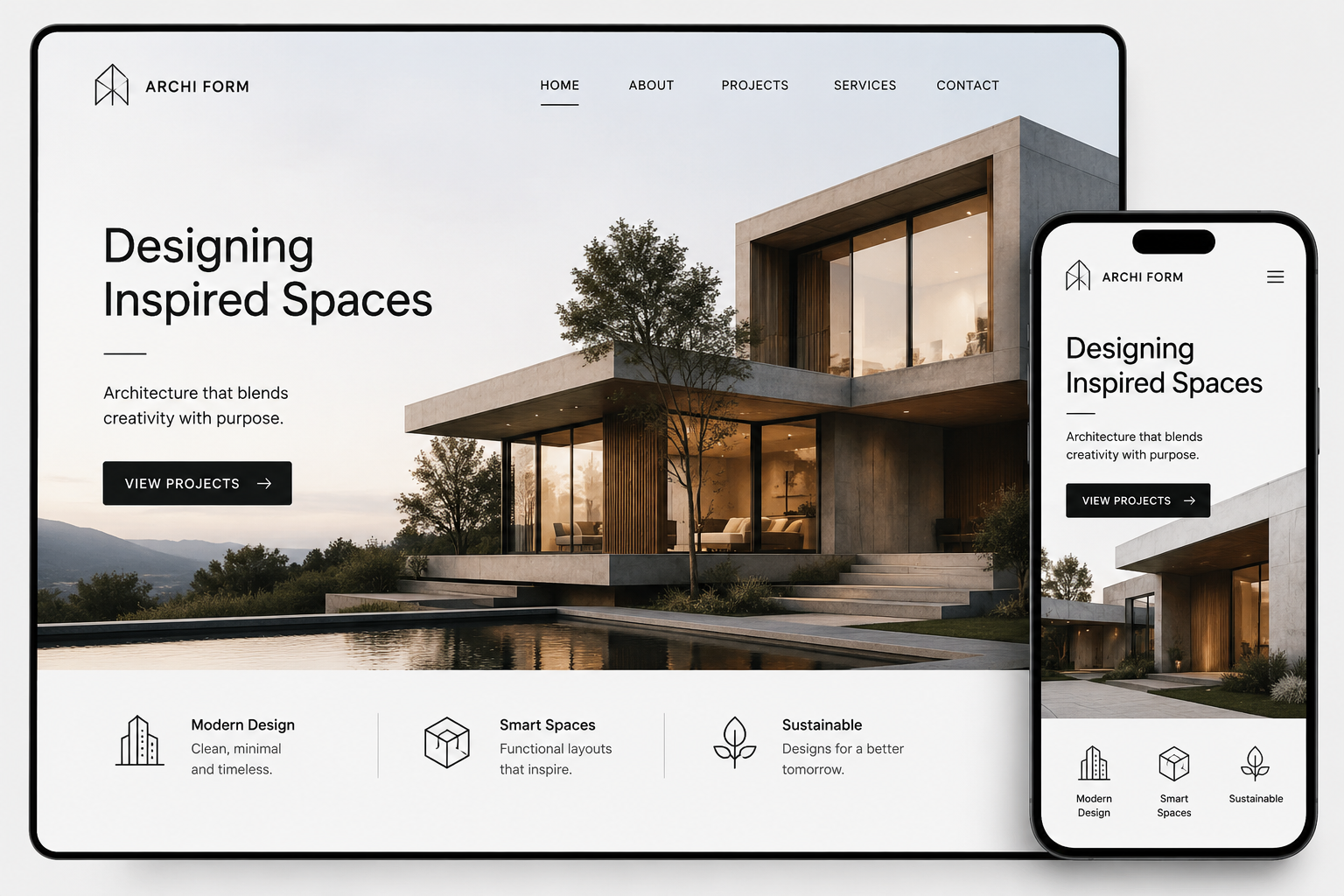
Why Architecture Firms Need a Strong Website
For an architecture firm, the website is not just a digital business card. It is the first portfolio a potential client sees, often before they ever speak to anyone at the firm. The quality of your website communicates the quality of your work before a single project image loads. A poorly designed or outdated site tells prospects that attention to detail is not a priority, which is the worst possible message for a profession built entirely on precision and aesthetics.
The best architecture websites share a few qualities. They are visually confident, load quickly, present work in a way that is easy to browse, and make it simple for a potential client to get in touch. Getting all of these right at the same time requires more than a good template. It requires a team that understands both design and performance engineering well enough to make them work together seamlessly.
Whether you are an established firm looking to modernize your digital presence or a new practice building your first professional website, this guide covers what makes great architecture website design and what to look for when choosing the right development partner.
What Makes a Good Architecture Website?
Good architecture websites are built around the work itself. The portfolio is the most important part of the site, and every design decision should serve it. Images need to be large, high resolution, and fast loading. Navigation needs to be minimal so nothing distracts from the projects being presented. Typography should feel considered and deliberate, reflecting the same care that goes into the firm's physical designs.
Beyond aesthetics, great architecture firm websites are also built for performance. A site that looks stunning but takes six seconds to load will lose the majority of its visitors before they ever see the portfolio. Google also penalizes slow sites in search rankings, which means a beautifully designed but technically poor website is also invisible to people actively searching for architecture services in your area.
The best architecture firm websites also make a clear case for why the firm is the right choice. This means going beyond project images to include the story behind each project, the challenges it solved, the materials and methods used, and the outcome for the client. Context transforms a gallery into a persuasive body of work that builds genuine confidence in prospective clients.
Architecture Portfolio Website: What to Include
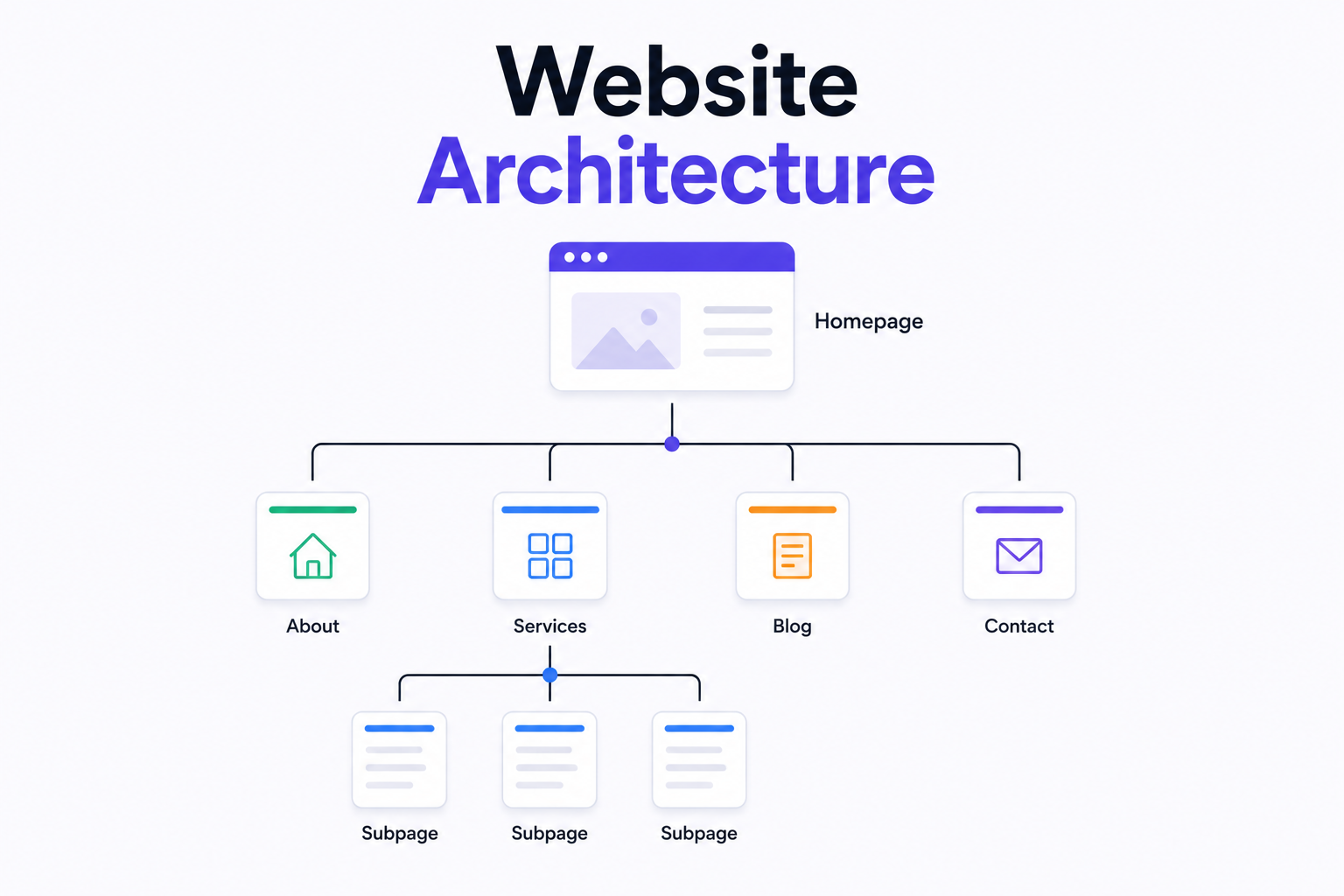
An architecture portfolio website needs to do several things well at the same time. The portfolio section is the centrepiece and should showcase your strongest and most relevant projects prominently. Each project page should include high quality photography or renders, a brief description of the brief and how it was approached, key details like location, scale, and completion date, and ideally a client quote or outcome summary that adds credibility.
The about section matters more than most firms realize. Clients hire people as much as they hire firms. A well written about page that introduces the team, explains the firm's design philosophy, and communicates what kinds of projects the firm takes on helps prospects self-qualify. It also builds trust in a way that project images alone cannot.
A services or expertise section helps visitors understand the range of work the firm handles, whether that is residential, commercial, interior, urban planning, or specialist sectors. Clearly communicating the types of projects you take on saves time for both the firm and the prospect, and improves the quality of enquiries coming through the contact form.
The contact section should be prominent and friction-free. A simple form with a few fields, a direct email address, and optionally a phone number is all that is needed. Overcomplicating the contact process is one of the most common reasons architecture portfolio websites fail to convert visitors into enquiries despite strong visual design.
Architecture Website Design: Custom Build Versus Templates
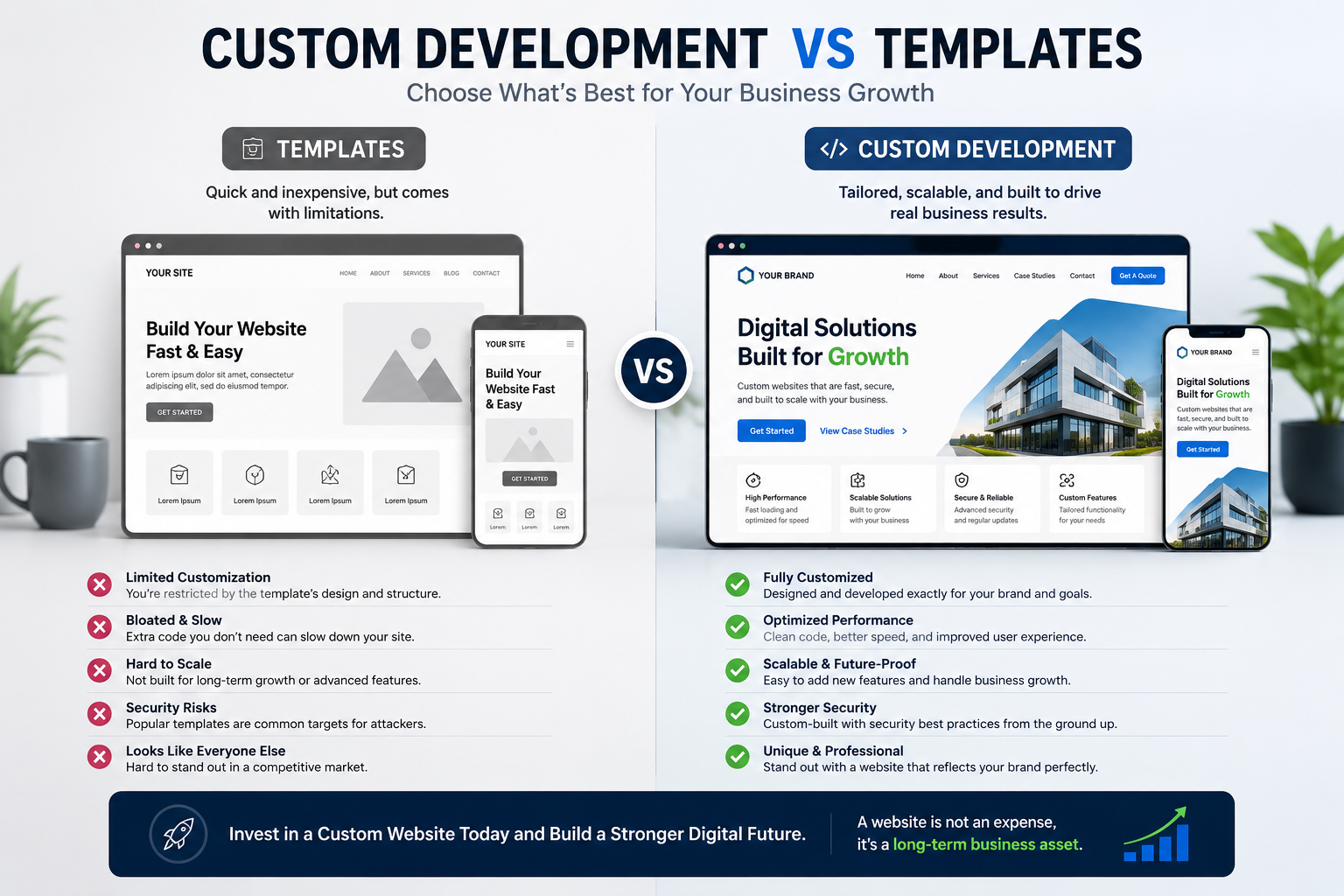
Architecture website templates are widely available on platforms like Squarespace, Wix, and ThemeForest. They are fast to set up and inexpensive to launch. For a sole practitioner just starting out who needs something online quickly, a template can serve as a reasonable starting point. But for established firms or those actively competing for significant commissions, templates come with limitations that become increasingly painful over time.
Architecture website templates are built to work for everyone, which means they are optimized for no one. The design flexibility is limited, the code is often bloated which slows down performance, and the overall result tends to look similar to dozens of other firms using the same template. In a profession where differentiation and visual identity matter enormously, looking like everyone else is a real competitive disadvantage.
A custom built architecture firm website, developed on a modern stack like React and Next.js, gives the firm complete control over how the work is presented. Layouts can be designed specifically around the portfolio rather than adapted from a generic template. Performance can be engineered rather than hoped for. And the site can grow and evolve as the firm does without running into the structural constraints that template-based sites eventually hit.
Architecture Portfolio Website Examples: What the Best Ones Get Right
Looking at architecture portfolio website examples from top firms reveals consistent patterns worth understanding. The best ones use whitespace generously, letting the work breathe rather than crowding the page with information. Navigation is minimal, typically just three to five items, keeping the focus entirely on the portfolio and the firm's identity.
Cool architecture websites tend to use full-width imagery and bold typographic choices that reflect the firm's design sensibility. The visual language of the website itself becomes part of the portfolio, signaling taste and intentionality before the visitor has clicked through to a single project. This is something that cannot be achieved with a generic architecture website template regardless of how much you customize it.
Top architecture websites also load fast despite being image-heavy. This is achieved through proper image optimization, lazy loading, modern image formats like WebP, and efficient frontend code that does not load unnecessary scripts. These are technical decisions made during development, not visual ones, which is why the quality of the development team matters as much as the quality of the designer.
Website Design for Architecture Firms in Orange County and Beyond
Whether you are based in Orange County, London, Dubai, or anywhere else, the principles of great architecture website design remain the same. What changes is the competitive landscape and the specific audience you are designing for. A residential architecture firm serving high-net-worth clients in Orange County needs a website that communicates luxury and precision. A commercial firm serving corporate clients needs one that communicates scale, efficiency, and reliability.
Architectural website design in competitive local markets also needs to be built with local SEO in mind. This means structuring the site so it ranks for searches like "architecture firm in Orange County" or "residential architect near me" alongside the broader portfolio presentation goals. A site that looks great but cannot be found in local search is missing a significant source of inbound enquiries.
How Munix Studio Builds Architecture Firm Websites
At Munix Studio we approach architecture firm website design the same way we approach every project: with a clear process, modern technology, and a focus on outcomes rather than just deliverables. We begin with a discovery phase to understand your firm, your target clients, and the impression you want the website to create. From there we design and build a custom site that presents your portfolio at its best, loads fast on every device, and is structured to rank in search for the right queries.
We build on React and Next.js rather than page builders or architecture website templates, which gives us complete control over performance, layout, and scalability. Every site we deliver includes full source code ownership, proper documentation, and the option for ongoing maintenance so your digital presence stays current as your firm grows and your portfolio expands.
Services That Power Great Architecture Websites
Building a great architecture firm website requires more than development alone. Here are the Munix Studio services most relevant to architecture firms looking to build or improve their digital presence.
Website Development — Custom architecture portfolio websites built on React and Next.js, engineered for speed, visual impact, and long-term scalability.
UI/UX Design — Portfolio-focused design that presents your work beautifully across all devices while guiding visitors naturally toward making an enquiry.
SEO Optimization — We structure and optimize your site so it ranks for the searches your ideal clients are making, from local queries to project-type specific terms.
Graphic and Branding — Visual identity design that ensures your website, proposals, and marketing materials all communicate the same level of quality and professionalism.
Maintenance and Support — Ongoing updates, performance monitoring, and content additions so your portfolio stays current and your site continues performing at its best after launch.
Frequently Asked Questions
Ready to Get Started?
Website Development
Custom architecture portfolio websites built on React and Next.js, engineered for visual impact, fast loading, and long-term scalability.
Explore Website DevelopmentGraphic and Branding
Visual identity design that ensures your website, proposals, and marketing materials all communicate the same level of quality and professionalism.
Explore Graphic and BrandingMaintenance and Support
Ongoing updates and performance monitoring so your portfolio stays current and your site continues performing at its best after launch.
Explore Maintenance and SupportRelated Articles

What is Website Development? The Complete Guide for Beginners
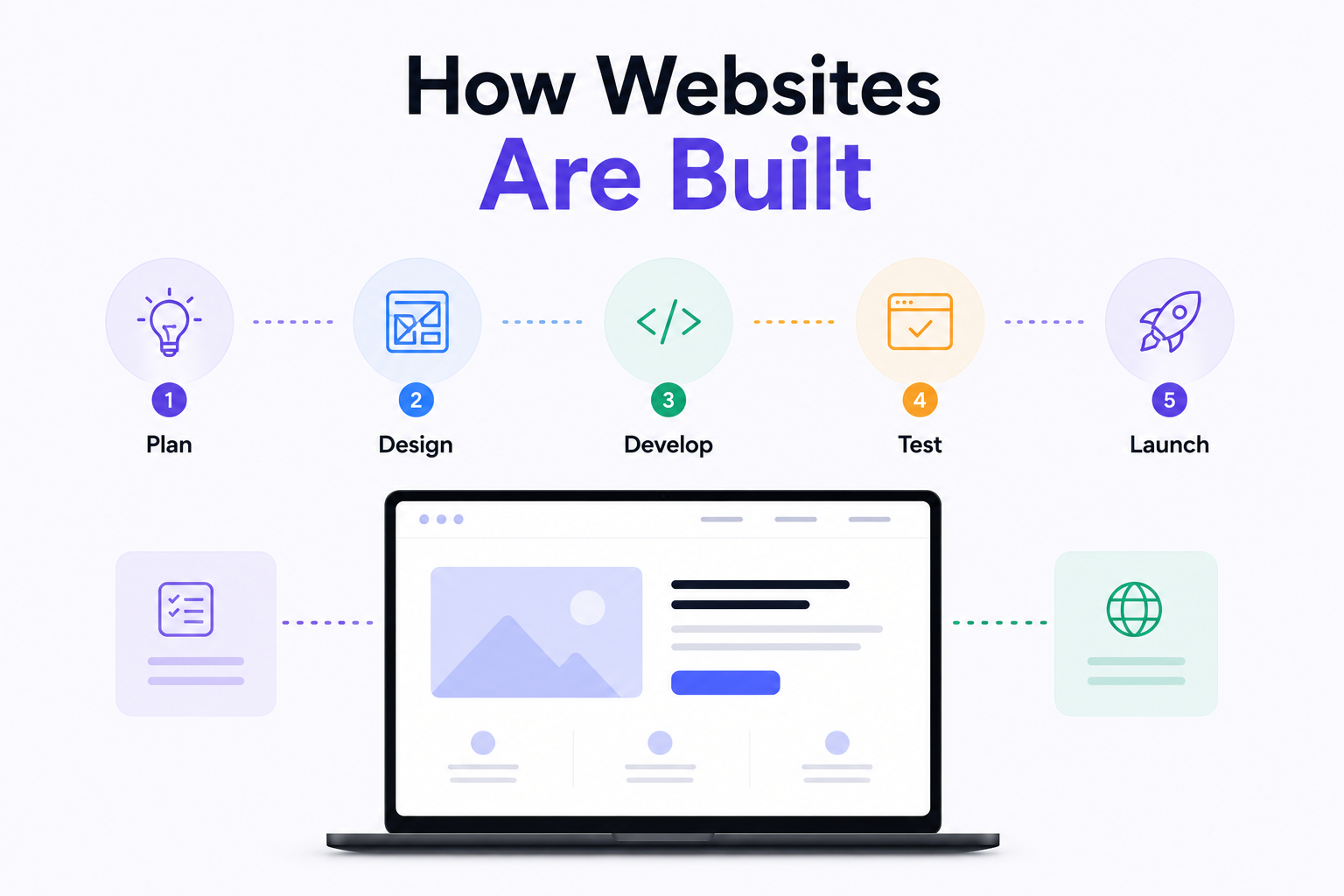
How Are Modern Websites Built in 2026?

Website Development Process & Life Cycle : Complete Guide
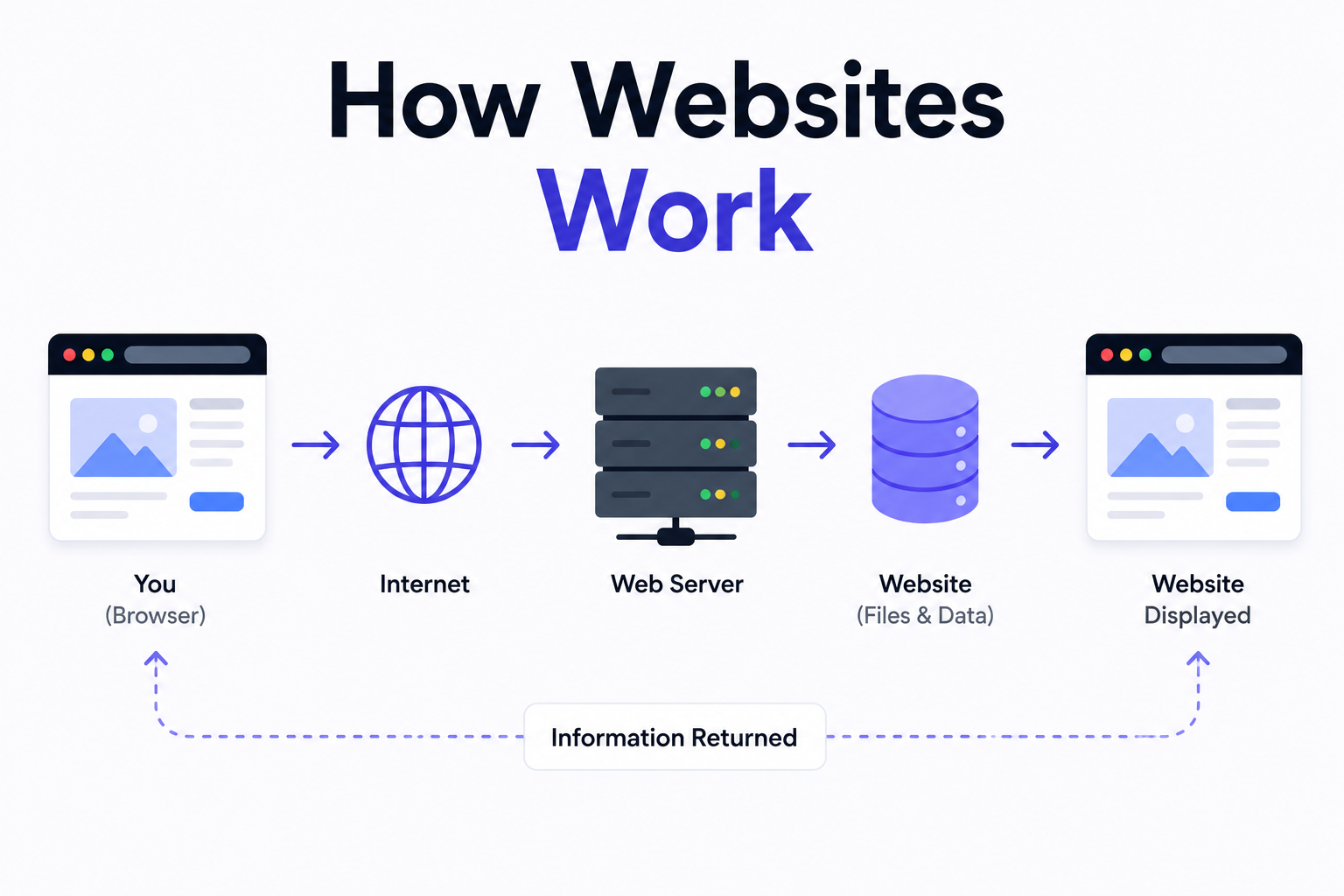
How Websites Work: DNS, Servers, Browsers
What is Website Architecture? Best Practices