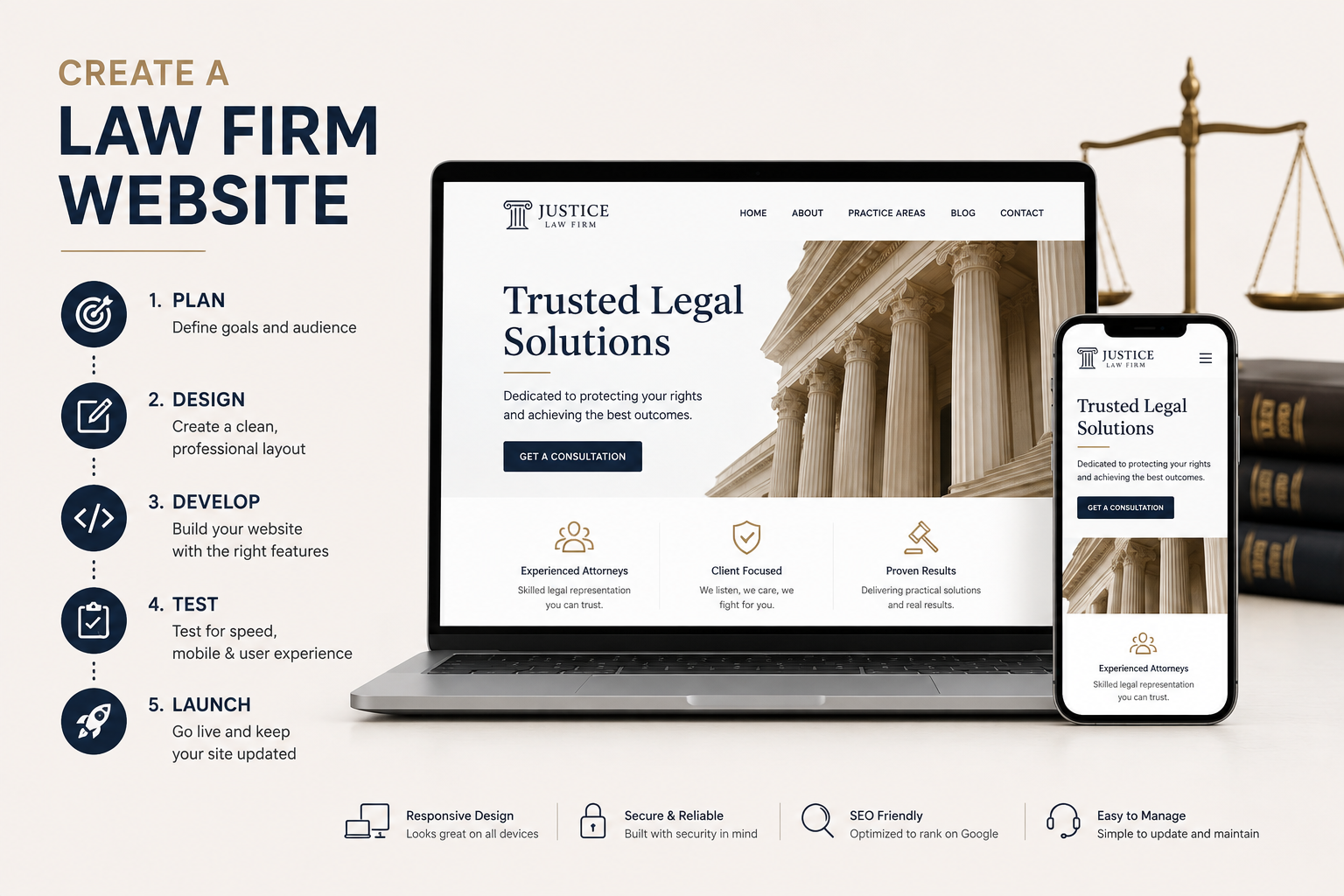
Introduction: Why a Structured Process Matters
In the modern digital landscape, building a high-performance online presence is about much more than writing lines of code. It is a full strategic website development journey that requires planning, design, engineering, and ongoing management. At Munix Studio, we believe that a website is not a one-time deliverable — it is a living, evolving asset that works for your business around the clock.
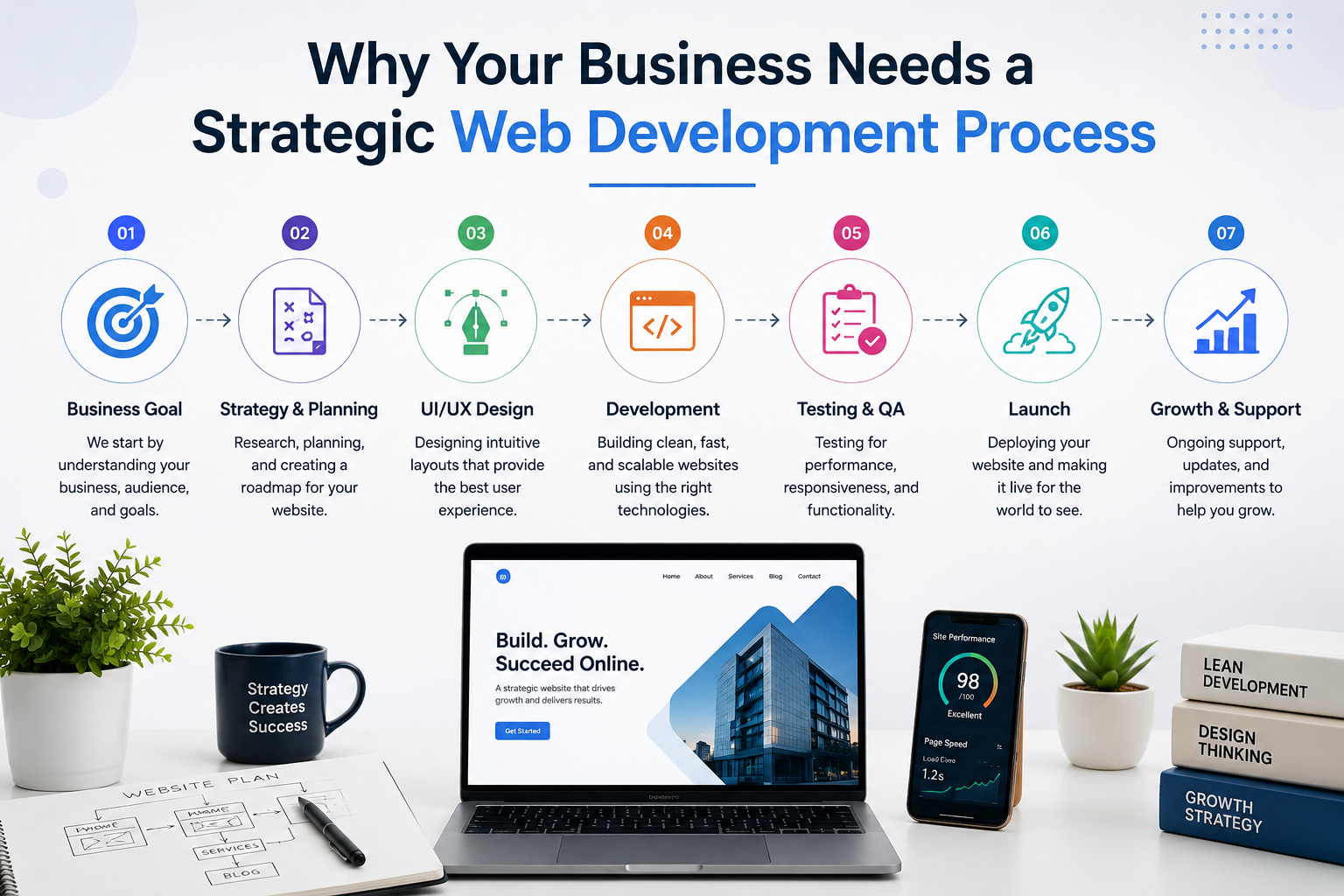
To ensure every project is scalable, secure, and built for long-term performance, we follow a structured full cycle web development model. Understanding the website development life cycle is the first step for any business owner, startup founder, or beginner who wants to succeed online. Without a clear website development plan, projects suffer from scope creep, inflated costs, missed deadlines, and poor results.
This guide walks you through every stage of the professional agency web development process — from the first discovery call to post-launch maintenance — so you understand exactly what goes into building a website that performs, converts, and scales.
The Foundations of a Successful Web Project
Before diving into the stages of web design and development, every successful project must establish two critical pillars. These foundations shape every decision made throughout the website development project — from the tech stack chosen to the layout of each page.
Objectives: What is the primary goal of this website? Is it to generate leads, sell products, provide information, or build a community? Defining this early prevents wasted development effort.
Purpose: Is this a high-conversion marketing tool, a complex database-driven web application, or a content-heavy resource platform? Each purpose demands a completely different approach to the website development processes involved.
By clearly defining objectives and purpose at the start, the entire web development strategy stays aligned with your business goals and ROI expectations.
Fundamentals of Web Development Every Business Owner Should Know
Before we break down the stages, it helps to understand the fundamentals of web development. At its core, web development is the process of building and maintaining websites and web applications that run in a browser. It is divided into three main areas:
Frontend Development: Everything the user sees and interacts with — layouts, buttons, animations, and navigation. Built using HTML, CSS, and JavaScript frameworks like React and Next.js.
Backend Development: The server-side logic that powers the website — databases, authentication, APIs, and data processing. Built using Node.js, NestJS, and databases like MongoDB or PostgreSQL.
Full Stack Development: A combination of both frontend and backend, allowing a developer or team to handle the entire web development project from start to finish.
Understanding these fundamentals helps you communicate more effectively with your development team and make smarter decisions throughout the website planning process.
The 7 Professional Stages of the Website Development Life Cycle
The website development life cycle is a structured framework that professional agencies use to take a project from concept to launch and beyond. Each stage builds on the previous one, ensuring nothing is missed and quality is maintained throughout the entire process of website development.
Stage 1: Gathering Information & Discovery
The discovery phase is arguably the most critical part of the entire website planning process. No code is written here. Instead, the focus is entirely on understanding your business, your audience, and your goals. Skipping or rushing this stage is one of the most common reasons website development projects fail.
During discovery, we conduct in-depth interviews with stakeholders, analyze competitor websites, and research the target audience. This research directly informs the web development strategy that will guide the entire project.
Target Audience Analysis: Who are your users? What devices do they use? What problems are they trying to solve?
Competitor Research: What are competing websites doing well? Where are the gaps you can exploit?
Content Strategy: What pages are needed? What information must be prioritized?
Technical Requirements: Does the project need integrations, portals, or custom functionality?
The output of this stage is a clear project brief that defines scope, objectives, and constraints — the foundation of the entire web development project life cycle.
Stage 2: Planning, Sitemaps, and Project Timeline
This is the blueprint phase of the website development process. With a clear brief in hand, the team creates a detailed sitemap that defines every page, its hierarchy, and how users will navigate the site. A well-planned sitemap prevents confusion later and ensures the information architecture supports both users and search engines.
Alongside the sitemap, we build wireframes — low-fidelity sketches of each key page layout. Wireframes focus purely on structure and user flow, without any design or color applied. This step is critical for aligning expectations between stakeholders and the development team before any design work begins.
This stage also produces the project timeline for website development. A realistic web development timeline accounts for design rounds, development sprints, review cycles, and testing. For a standard business website, the typical timeline ranges from 4 to 10 weeks depending on complexity. Complex website development projects involving custom systems, integrations, or large databases can take 3 to 6 months.
Simple Brochure Website: 3–5 weeks
Business Website with CMS: 5–8 weeks
E-commerce Platform: 8–14 weeks
Custom Web Application: 3–6 months
Stage 3: Design, Layout, and UX Prototype
With the wireframes approved, the design phase transforms structure into a visual experience. This is where the web site design process truly comes to life. Our designers apply branding, typography, color systems, and spacing to create high-fidelity mockups that feel like the real product.
Good design is never purely aesthetic. Every design decision is made with user experience in mind. The goal is to reduce friction, guide users toward key actions, and create an interface that feels intuitive and trustworthy. Poor UX is one of the leading causes of high bounce rates and low conversions — even on technically strong websites.
After the static mockups are approved, we build an interactive prototype. This clickable prototype simulates the real user journey before a single line of production code is written, saving significant time and cost during development.
Visual Hierarchy: Directing the user's eye to the most important elements first.
Responsive Design: Ensuring layouts work perfectly across mobile, tablet, and desktop.
Brand Consistency: Applying your brand identity uniformly across all pages and components.
Accessibility: Designing for all users, including those with visual or motor impairments.
Stage 4: Content Creation & SEO Integration
Content creation is where website development marketing begins. This stage is frequently underestimated, yet it is one of the most important phases in the entire website development plan. Great design with weak content will not convert, and it will not rank in search engines either.
At this stage, we craft all page copy, headlines, calls-to-action, and supporting content. Every piece of writing is created with both the user and search engine optimization in mind. This means weaving in target keywords naturally, structuring content with proper heading hierarchies, and writing meta titles and descriptions that improve click-through rates from Google.
SEO integration at this stage includes on-page optimization, URL structure planning, image alt text, internal linking strategy, and schema markup. Integrating SEO during content creation — rather than as an afterthought after launch — dramatically improves how quickly and how high the website ranks in search results.
Keyword Integration: Natural placement of target keywords throughout headings and body text.
Meta Data: Optimized titles and descriptions for every page.
Internal Linking: Connecting related pages to improve site authority and user navigation.
Image Optimization: Compressed images with descriptive alt text for speed and accessibility.
Stage 5: Technical Development & Coding
This is the core implementation phase — the stage most people picture when they think about web development for business. With the design approved and content prepared, developers begin building the actual product. The approved mockups are converted into a fully functional, interactive website using modern frameworks and best engineering practices.
At Munix Studio, we build using a modern web development stack rather than slow page builders or restrictive templates. This gives our clients faster load times, greater flexibility, and a codebase that can scale as the business grows.
Frontend: React and Next.js for fast, interactive, SEO-friendly interfaces with server-side rendering.
Backend: Node.js and NestJS for scalable server logic, authentication, and API development.
Databases: MongoDB and PostgreSQL depending on the data structure and query requirements.
Version Control: Git-based workflows to ensure code is tracked, reviewed, and reversible at every step.
Cloud Infrastructure: AWS, Azure, or DigitalOcean for reliable, secure hosting and deployment pipelines.
Development is done in sprints with regular milestone check-ins. At each milestone, a staging version of the website is shared with the client for review. This collaborative approach keeps the project on track and eliminates surprises at launch.
Stage 6: Quality Assurance, Testing, and Launch
Before any website goes live, it goes through rigorous quality assurance. This phase of the web development project life cycle is non-negotiable. Launching a broken or underperforming website can damage your brand reputation and cost you leads immediately.
Our QA process covers every dimension of performance and reliability. We test on multiple browsers (Chrome, Firefox, Safari, Edge), multiple devices (desktop, tablet, mobile), and multiple screen sizes. Every form, button, link, and interaction is verified. Load speed is benchmarked against Core Web Vitals targets to ensure Google's performance standards are met from day one.
Cross-Browser Testing: Ensuring consistent behavior across all major browsers.
Mobile Responsiveness: Verifying that the layout adapts correctly on all screen sizes.
Performance Testing: Measuring page speed, load times, and Core Web Vitals scores.
Security Testing: Checking for vulnerabilities, exposed data, and misconfigured permissions.
Form & Flow Testing: Validating every user interaction, form submission, and redirect.
Once QA is complete and all issues are resolved, we coordinate DNS setup, SSL configuration, and hosting deployment. The website goes live with zero downtime and full technical handover including source code, credentials, and documentation.
Stage 7: Maintenance, Updates, and Ongoing Support
Launch day is not the finish line — it is the starting point. Ongoing website development management is what separates businesses that grow online from those that stagnate. The digital landscape evolves constantly: browsers update, security vulnerabilities emerge, user expectations shift, and algorithms change.
Our maintenance service includes regular software updates, security patches, performance monitoring, content updates, and incremental feature improvements. We proactively monitor your site so issues are caught and resolved before they impact your users or your search rankings.
Security Monitoring: Regular scans and patches to protect against threats.
Performance Optimization: Continuous improvements to speed and stability.
Content Updates: Adding new pages, blog posts, or product listings as your business grows.
Analytics Review: Monthly reporting on traffic, conversions, and performance trends.
Website Development Process Flowchart
To visualize the full website development process steps, here is a simplified flowchart of how a professional web development project moves from start to finish:
1. Discovery & Requirements Gathering
2. Sitemap & Wireframe Creation
3. UI/UX Design & Prototype
4. Content Writing & SEO Setup
5. Frontend & Backend Development
6. QA Testing & Bug Fixes
7. Deployment & Go Live
8. Maintenance & Ongoing Support
Each stage feeds into the next. Skipping or rushing any step in this web development process flowchart creates compounding problems that become increasingly expensive to fix later. A disciplined, stage-by-stage approach is what separates professional agency web development from rushed freelance builds.
Web Development Tips for Business Owners
Whether you are commissioning your first website or rebuilding an existing one, these practical web development tips will help you get the best result from your investment:
Define success before you start. Know what a successful website looks like for your business — more leads, more sales, lower support load — and communicate this clearly to your development partner.
Do not skip the planning phase. The website planning process is where time and money are saved. Changes in discovery cost minutes. Changes during development cost days.
Prioritize mobile performance. Over 60% of global web traffic is on mobile. A website that performs poorly on mobile loses the majority of its potential audience immediately.
Invest in content from the start. Placeholder content leads to design decisions that do not survive real content. Real copy and real images should be prepared before development begins.
Plan for growth. A good web development strategy builds a foundation that can be expanded. Avoid platforms and approaches that lock you into rigid structures you will outgrow in 12 months.
Think about SEO from day one. Website development for business must include SEO from the planning stage. Retrofitting SEO after a site is built is always more difficult and expensive than building it in from the start.
Technologies Used in Our Web Development Process
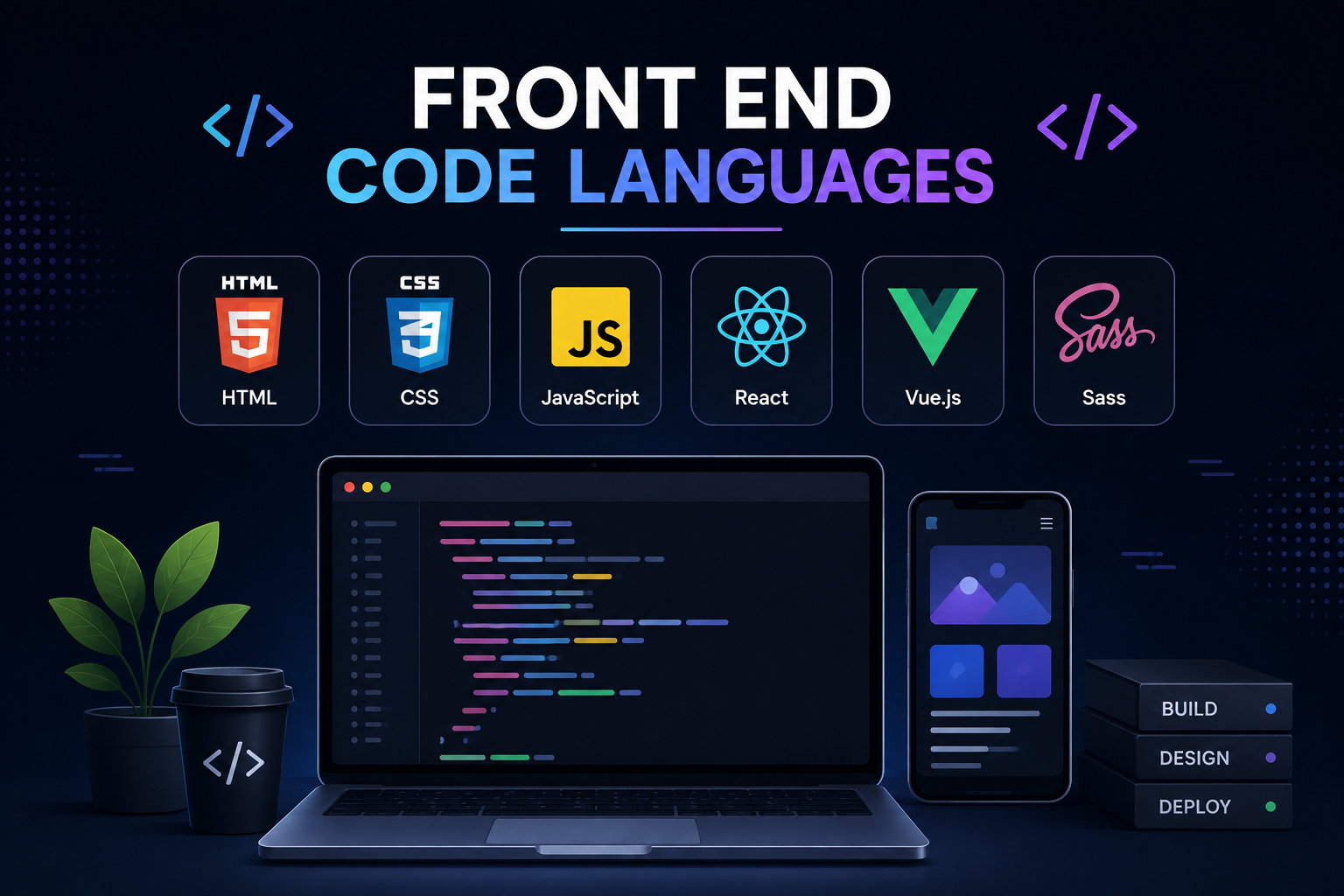
Building modern websites for business requires a carefully chosen tech stack. At Munix Studio, we use battle-tested, industry-leading technologies that deliver speed, security, and scalability — not slow page builders or restrictive website templates.
React: A component-based JavaScript library for building fast, interactive user interfaces. Used across thousands of production applications worldwide.
Next.js: A React framework with built-in server-side rendering and static generation, delivering exceptional performance and SEO advantages out of the box.
Node.js & NestJS: Scalable backend runtime and framework for handling server logic, API development, and real-time features.
MongoDB & PostgreSQL: Flexible and powerful database solutions chosen based on the data structure and performance requirements of each project.
Docker & CI/CD Pipelines: Containerized deployments and automated workflows ensure consistent, reliable releases with zero manual errors.
AWS, Azure & DigitalOcean: Enterprise-grade cloud hosting for uptime, security, and global performance.
Frequently Asked Questions
What is the first step in the web design process?
The first step is always the discovery and requirements gathering phase. Before any design or code begins, a professional agency will conduct stakeholder interviews, define project goals, analyze competitors, and document technical requirements. This website planning process is what ensures the rest of the project stays aligned with your business objectives and avoids expensive rework later.
What is web development services?
Web development services refer to the full range of technical work involved in building, launching, and maintaining a website or web application. This includes frontend development (what users see), backend development (server logic and databases), website implementation, API integrations, performance optimization, security management, and ongoing website development management. A full-service agency like Munix Studio handles all of these under one roof.
How are websites created in a professional agency?
At a professional agency, websites are created through a structured full cycle web development process. This begins with discovery and planning, moves through design, content, and development phases, and concludes with quality assurance, deployment, and ongoing support. The entire process is collaborative, with the client involved at key milestones to review progress and provide feedback before the project moves forward.
What is the difference between web design and web development?
The web site design process focuses on how a website looks and feels — the visual layout, color scheme, typography, and user experience. Web development, by contrast, focuses on how the website works — the code, logic, databases, and integrations running behind the scenes. In a complete website development project, both disciplines work together. Great design without solid development produces a beautiful site that is slow and broken. Great development without good design produces a functional site that users abandon.
How long does the website development process take?
The web development timeline varies based on project complexity. A simple business website typically takes 4 to 6 weeks. A custom platform with backend systems, user authentication, and integrations can take 3 to 6 months. The project timeline for website development is established during the planning stage and accounts for all phases including design rounds, development sprints, testing, and client review cycles.
What is web developing and how does it differ from web design?
Web developing, or web development, is the process of writing the code that makes a website function. This includes building the frontend interface, the backend server, and the database layer. Web design, on the other hand, refers to the visual and UX decisions made before development begins. The two disciplines are closely related and both are essential parts of the website development life cycle.
How do you start web development for a business?
The best way to start web development for business is to first define your goals and your audience. From there, you choose between building in-house, hiring a freelancer, or working with a professional agency. For businesses that need a reliable, scalable product, a structured agency web development process offers the lowest long-term risk. The process begins with a discovery call, followed by a detailed proposal covering scope, timeline, and investment.
What are the main website development phases?
The main website development phases are: Discovery, Planning, Design, Content, Development, Quality Assurance, and Launch. After launch, an ongoing maintenance phase keeps the website secure, updated, and performing well. Each of these phases in website development has specific deliverables and requires collaboration between the client and the development team to move forward successfully.
What is website implementation?
Website implementation refers to the technical execution phase of a web development project — the stage where code is written, systems are integrated, and the approved design is turned into a working product. It is one of the most resource-intensive stages of the web development project life cycle and requires experienced frontend and backend developers working in a coordinated workflow.
What technologies are used in modern web development?
Modern web development relies on a combination of frontend and backend technologies. On the frontend, React and Next.js are industry standards for building fast, interactive interfaces. On the backend, Node.js, NestJS, and frameworks like Django or Flask handle server logic and data management. Databases like MongoDB and PostgreSQL store and serve data efficiently. Cloud platforms like AWS and Azure handle hosting, security, and scalability. This modern web development stack is what separates high-performance websites from slow, outdated builds.
Frequently Asked Questions
Ready to Get Started?
Experience a Strategic Web Development Process
Are you ready to turn your vision into a high-performance reality? Our team specializes in the website development life cycle, ensuring your project is built with the best web tech available today. From strategic website development to full website implementation, we are here to scale your business
Explore Website DevelopmentRelated Articles
What is Website Development? The Complete Guide for Beginners
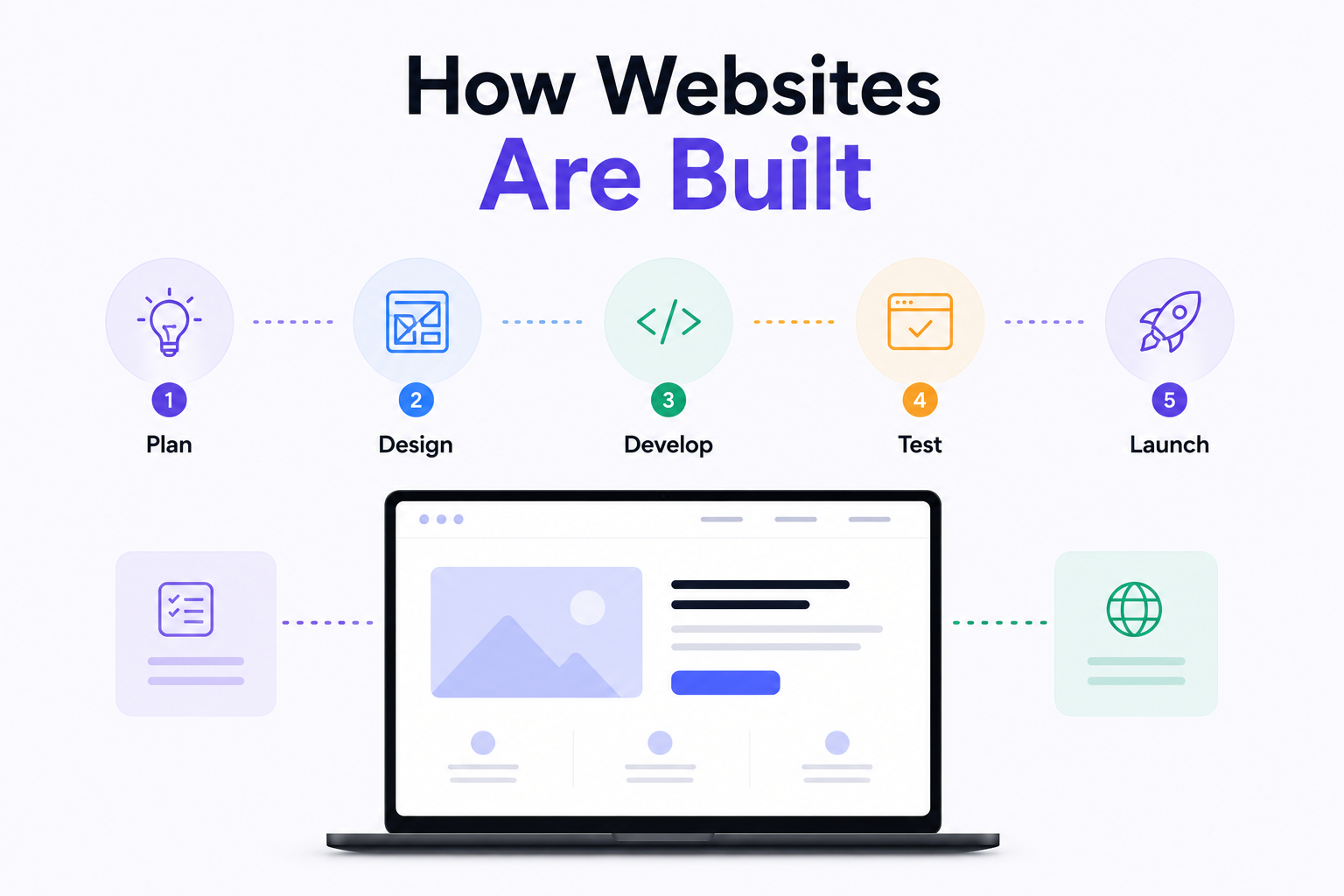
How Are Modern Websites Built in 2026?
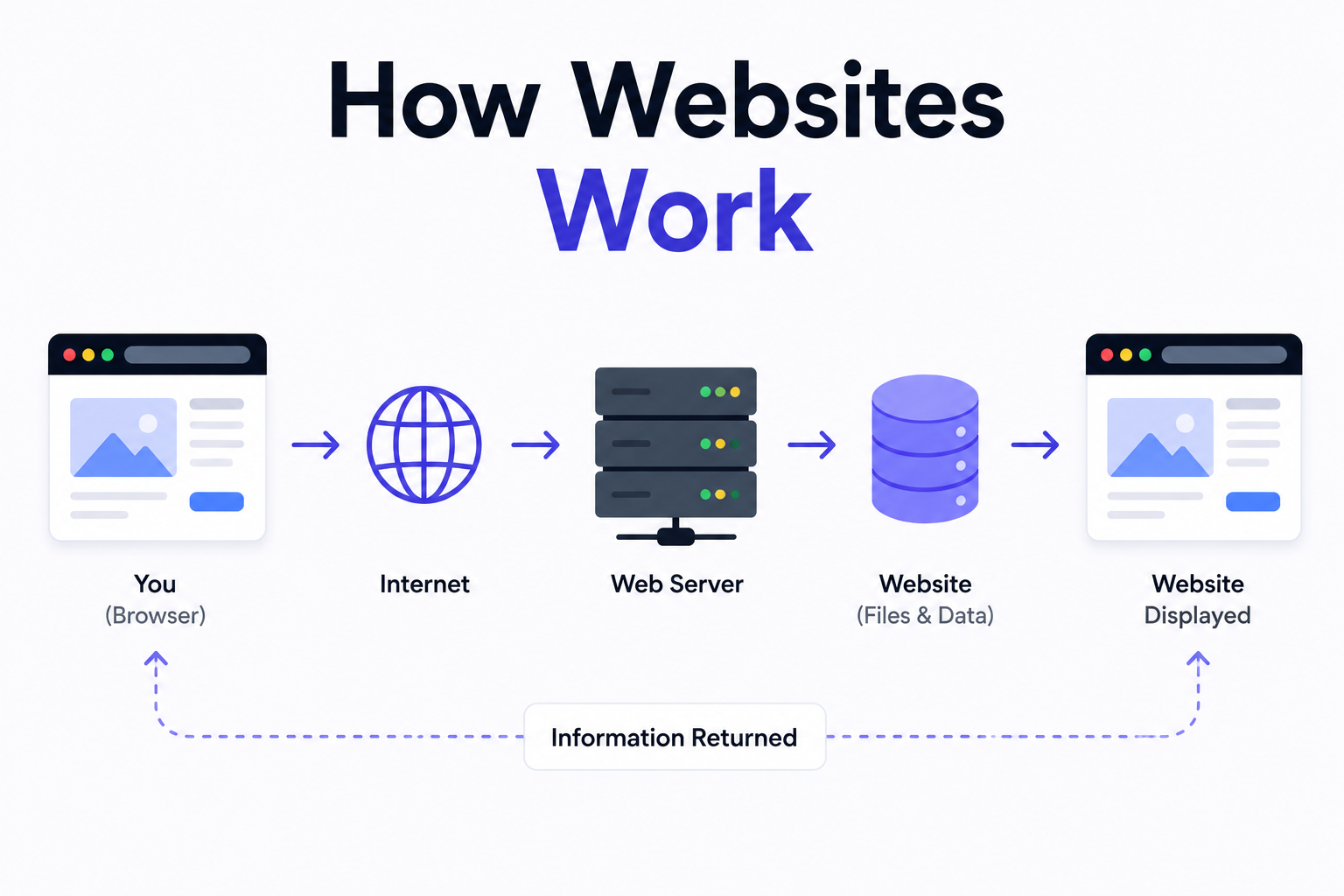
How Websites Work: DNS, Servers, Browsers
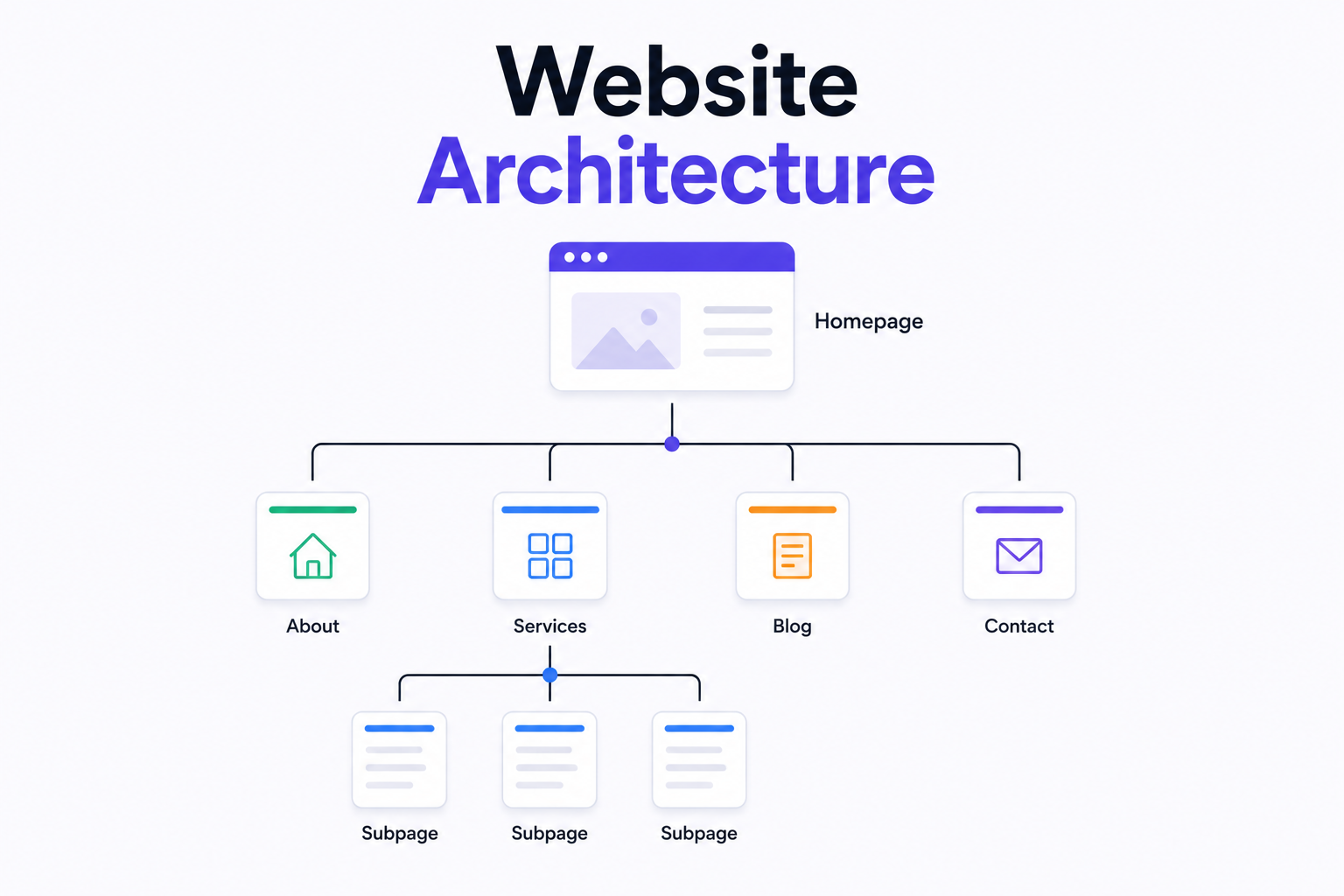
What is Website Architecture? Best Practices
Architecture Firm Website Design & Portfolio