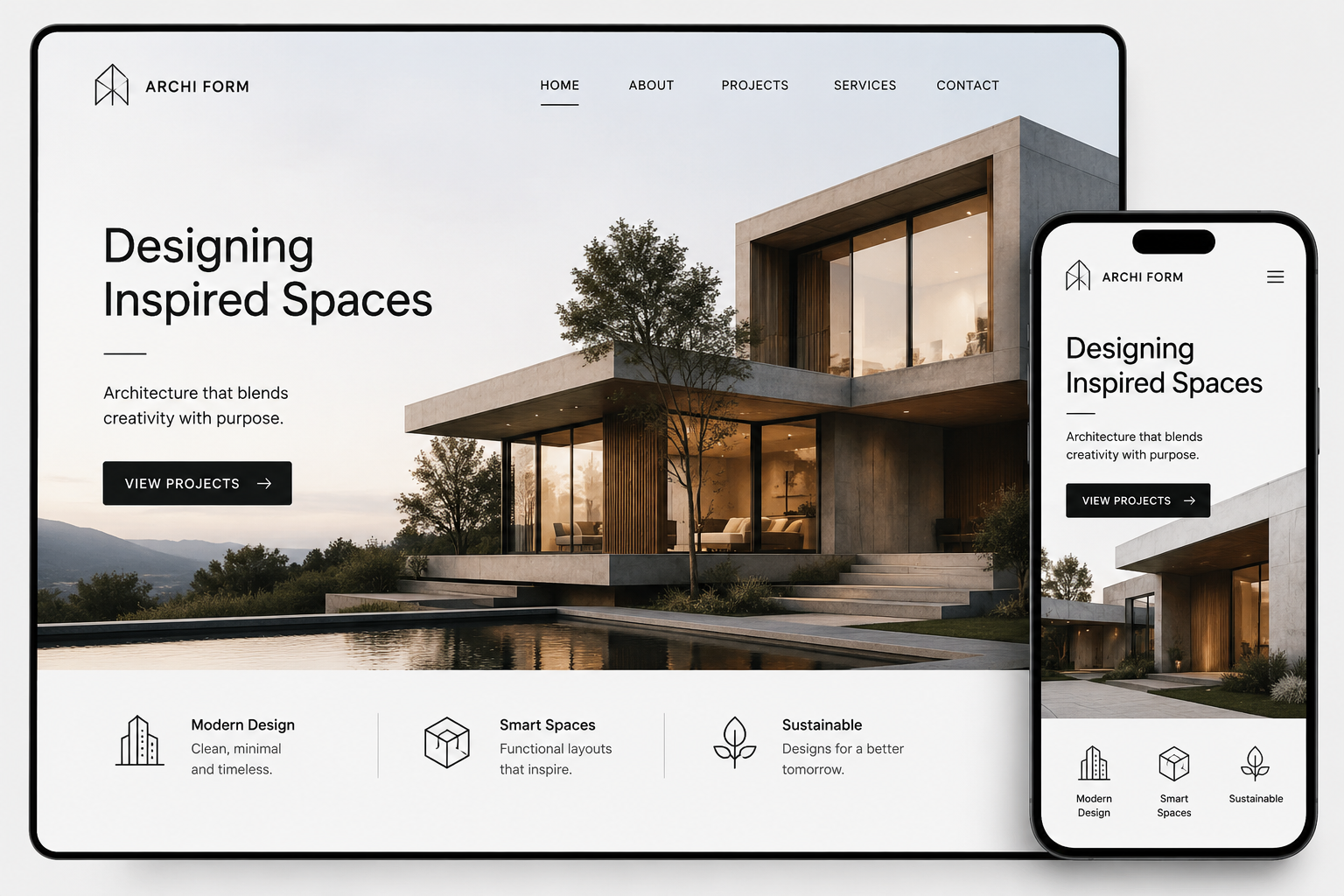
Why a Travel Agency Website Is Your Most Valuable Sales Asset
The travel industry is one of the most search-driven markets in the world. Every day, millions of people open a browser to plan their next holiday, compare itineraries, research destinations, and look for a travel agency they can trust to handle the details. If your agency does not have a website that shows up in those searches, communicates your expertise clearly, and makes it easy for potential clients to enquire or book, you are handing that business to a competitor who does.
A travel agency website is not just a digital brochure. It is your primary sales tool, your credibility signal, and your round-the-clock enquiry engine. The agencies that generate consistent leads online are those whose websites inspire confidence, showcase their expertise, and make the path from interested visitor to confirmed client as clear and frictionless as possible. Getting all of this right requires deliberate planning, strong design, and a content strategy built around the specific searches your ideal clients are making.
This guide covers every step involved in building a travel agency website that attracts the right audience, communicates your value clearly, and converts visitors into paying clients consistently.
Step 1: Define Your Niche and Positioning
The travel agency market online is intensely competitive. Generic agencies that offer everything to everyone struggle to rank in search and struggle even harder to convert visitors who land on their site, because there is nothing that distinguishes them from the dozens of other generalist agencies appearing in the same results. The agencies that perform best in online search are almost always those with a clearly defined niche that speaks directly to a specific type of traveller with a specific set of needs.
Your niche might be defined by destination, such as specialising exclusively in East Africa safaris or Scandinavian adventures. It might be defined by travel style, such as luxury private villa holidays, multi-generational family trips, or solo female travel. It might be defined by a specific demographic, such as retirement travel or honeymoon and destination wedding planning. Whatever your specialism, committing to it clearly in your website's positioning, content, and messaging makes every other decision easier and every marketing effort more effective.
Step 2: Plan a Structure That Serves Both Search and Sales
A travel agency website needs a page structure that serves visitors at different stages of their decision-making journey. Some visitors arrive having already decided on a destination and are comparing agencies to handle it. Others arrive with a vague intention to travel and need inspiration and guidance before they are ready to enquire. A well-structured site serves both without confusing either.
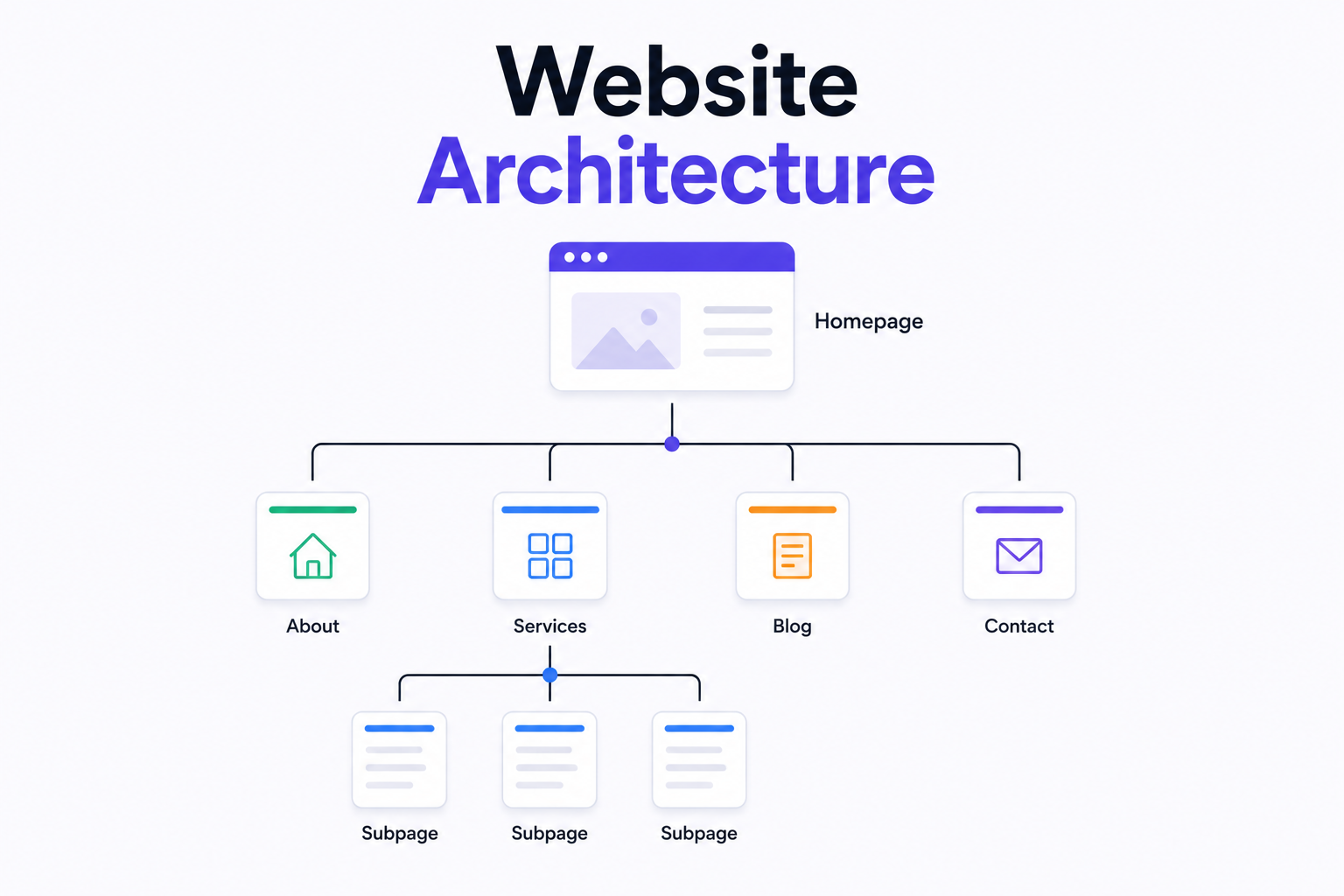
The core pages every travel agency website needs include a homepage that immediately communicates the agency's specialism and inspires confidence, a destination or tours page showcasing the packages and itineraries on offer, individual destination or package pages with full details and a clear enquiry call to action, an about page that tells the story of the agency and the people behind it, a testimonials or reviews section with genuine client feedback, a blog or travel guide section for content that builds organic search visibility, and a contact or enquiry page that makes starting a conversation as easy as possible.
Individual destination pages deserve particular attention in the planning phase. Each destination the agency specialises in should have its own dedicated page rather than being listed as a line item on a generic destinations overview. Dedicated destination pages rank independently in search for location-specific queries and give the agency an opportunity to demonstrate genuine expertise in that destination, which is one of the most persuasive signals a potential client can encounter.
Step 3: Choose Technology That Matches Your Ambitions
Travel agency websites are among the most visually demanding sites to build well. They rely heavily on high-resolution destination photography, need to load fast despite that imagery, must perform excellently on mobile where a significant proportion of travel research happens, and often need to handle enquiry forms, itinerary displays, and package listings without the instability that comes from an overloaded plugin-dependent CMS build.
Building on React and Next.js addresses all of these requirements directly. Built-in image optimization serves high-resolution travel photography at the correct size and format for each device without manual intervention, keeping page load times fast even on image-heavy destination pages. Server-side rendering ensures every destination and package page is fully indexed by search engines, which is critical for the organic search traffic that the best-performing travel agencies depend on. And a headless CMS integration gives agency staff the ability to update packages, add new destinations, and publish blog content without needing developer access for routine changes.
Step 4: Build an Enquiry Flow That Converts Browsers Into Clients
Most travel agencies operate on a consultative model rather than a self-service booking model. The goal of the website is not to close a sale at the point of first contact but to generate a qualified enquiry that begins a conversation with a prospective client. This means the enquiry process needs to be frictionless, reassuring, and well-designed enough that visitors feel confident taking the first step.
An effective enquiry form collects enough information to start a meaningful conversation without asking for so much that it feels like an interrogation. Destination or type of trip, approximate travel dates, number of travellers, rough budget range, and a brief description of what the client is looking for gives the agency everything it needs to respond with a genuinely useful initial reply. The form should be available on every destination and package page as well as on the dedicated contact page, so that interested visitors can take action without having to navigate away from the content that generated their interest.
A confirmation message after submission that sets clear expectations about response times and what happens next reduces the anxiety that often follows submitting a form and distinguishes professional agencies from those that leave enquirers wondering whether their message was received.
Step 5: Design for Inspiration First, Conversion Second
Travel is an emotionally driven purchase. People book holidays because they want to feel something, whether that is adventure, relaxation, romance, discovery, or connection. The design of a travel agency website needs to trigger those emotions the moment a visitor arrives, before any practical information is presented. Destination photography used boldly, generous white space that lets imagery breathe, and a visual hierarchy that draws the eye toward the most compelling content all contribute to the sense of aspiration that makes a visitor want to explore further rather than leave.
Conversion elements should be woven naturally into that inspirational experience rather than bolted on afterward. A well-placed enquiry button on a destination page feels like a natural next step when the surrounding design has already built desire. A prominently displayed testimonial from a satisfied client on a package page provides the social proof that turns interest into action. Design and conversion are not competing priorities on a travel agency website. When done well, they reinforce each other at every stage of the visitor journey.
Step 6: Build Trust Through Expertise and Credentials
Trust is the central conversion factor for a travel agency website. Potential clients are considering handing over significant sums of money for experiences that have not happened yet, often in destinations they have never visited. They need to believe that the agency they choose knows what it is doing, will be there if something goes wrong, and is financially and operationally reliable.
Industry credentials such as ABTA membership, ATOL protection, IATA accreditation, or equivalent regulatory affiliations in your market should be displayed prominently throughout the site, particularly on the homepage and package pages where trust matters most. Genuine client testimonials with specific destination details carry significantly more weight than generic five-star ratings. Named consultants with photographs and personal travel biographies humanise the agency and demonstrate that real experts are behind the recommendations. And a clear, fair cancellation and refund policy removes one of the most common sources of hesitation for first-time clients.
Step 7: Invest in SEO to Reduce Dependence on Referrals
Many travel agencies rely heavily on word-of-mouth referrals and repeat business from existing clients. While these are valuable, they create a ceiling on growth that an organic search strategy removes. A travel agency website that ranks well for destination-specific and travel-style-specific queries generates a consistent flow of new enquiries from people who have never heard of the agency before, which compounds month over month as the site's authority in its niche grows.
Destination pages are the most important SEO asset on a travel agency website. Each destination page should be comprehensive enough to demonstrate genuine expertise in that location, covering the best times to visit, the types of experience available, what to expect from the agency's approach in that destination, and direct links to relevant packages. Pages with this level of depth and specificity consistently outrank thin promotional listings in destination-specific searches.
A travel blog compounds the site's search visibility over time by targeting the long-tail queries that destination pages alone cannot cover. Itinerary guides, best time to visit articles, destination comparison pieces, and packing and practical travel content attract early-stage researchers who are still planning and introduce them to the agency at the point where their decision about who to book with is still open.
Step 8: Monitor, Test, and Improve Continuously
A travel agency website requires ongoing attention after launch to maintain its competitive position in search and to improve its enquiry conversion rate over time. Monitoring which destination pages generate the most organic traffic, which package pages produce the most enquiries, and where visitors drop off in the enquiry flow provides the data needed to make decisions that actually improve results.
Seasonal content updates keep destination pages relevant throughout the year and align with the natural peaks in travel search behaviour that correspond to holiday planning seasons. New blog posts targeting emerging destination trends and traveller questions expand the site's search footprint continuously. And regular technical reviews ensure the enquiry forms, page performance, and mobile experience remain at the standard that both users and search engines expect from a professional travel business.
How We Work
At Munix Studio, every travel agency website project begins with a discovery phase where we take the time to understand your specialism, your clients, your competitive landscape, and the specific outcomes you need the site to deliver. We define the architecture, map the visitor journeys, and plan the content strategy before a single design decision is made.
Our design team then builds an immersive, destination-first visual experience that reflects your brand and inspires your ideal clients from the moment they arrive. Our development team builds the site on a modern, performant stack with enquiry integration, CMS access for your team, and SEO foundations built in from the first page. We test thoroughly before launch and provide ongoing support as your agency grows and your digital presence evolves alongside it.
Build Your Travel Agency Website With Munix Studio
At Munix Studio we design and build travel agency websites that inspire visitors, generate qualified enquiries, and rank for the destination and travel-style searches your ideal clients are already making. Every project is built around your niche, your clients, and the growth outcomes that matter most to your agency.
Website Development — Custom travel agency websites built on React and Next.js with destination pages, enquiry integration, CMS access, and performance-optimized image handling from day one.
UI/UX Design — Immersive, destination-first design that inspires prospective clients and guides them naturally from browsing to submitting an enquiry.
SEO Optimization — Destination and travel-style SEO that gets your agency ranking organically for the specific queries your ideal clients are searching for.
App Development — Mobile applications for travel agencies that need itinerary management, client communication, and booking functionality in a native app experience.
Maintenance and Support — Ongoing content updates, seasonal package management, and performance monitoring to keep your travel agency website competitive and converting year round.
Frequently Asked Questions
Ready to Get Started?
Website Development
Custom travel agency websites built on React and Next.js with destination pages, enquiry integration, CMS access, and performance-optimized image handling from day one.
Explore Website DevelopmentUI/UX Design
Destination and travel-style SEO strategy that gets your travel agency ranking organically for the specific searches your ideal clients are already making
Explore SEO OptimizationApp Development
Mobile applications for travel agencies that need itinerary management, client communication, and booking functionality in a dedicated native app experience.
Explore App DevelopmentMaintenance and Support
Ongoing content updates, seasonal package management, and performance monitoring to keep your travel agency website competitive and generating enquiries throughout the year.
Explore Maintenance and SupportRelated Articles
What is Website Development? The Complete Guide for Beginners
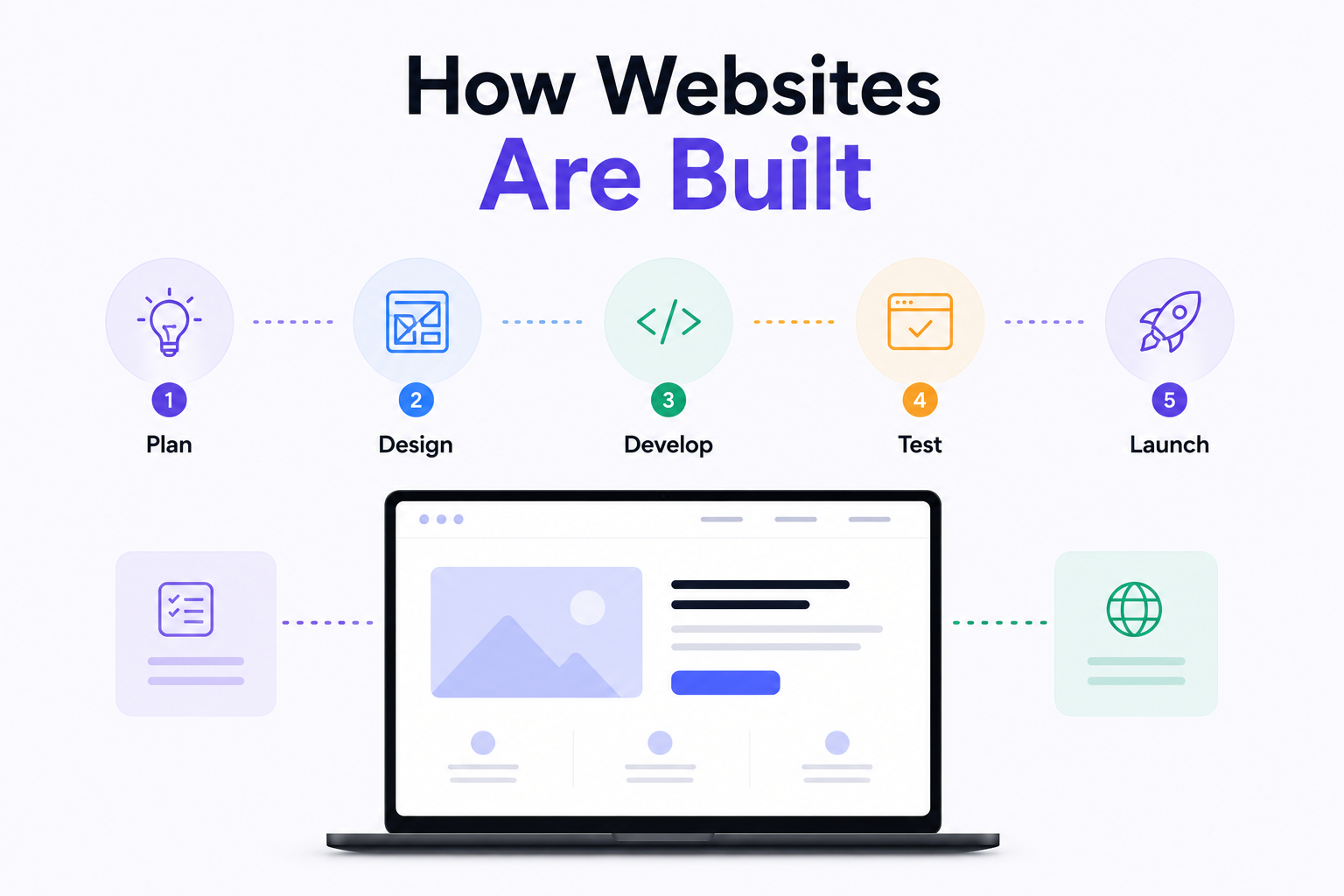
How Are Modern Websites Built in 2026?

Website Development Process & Life Cycle : Complete Guide
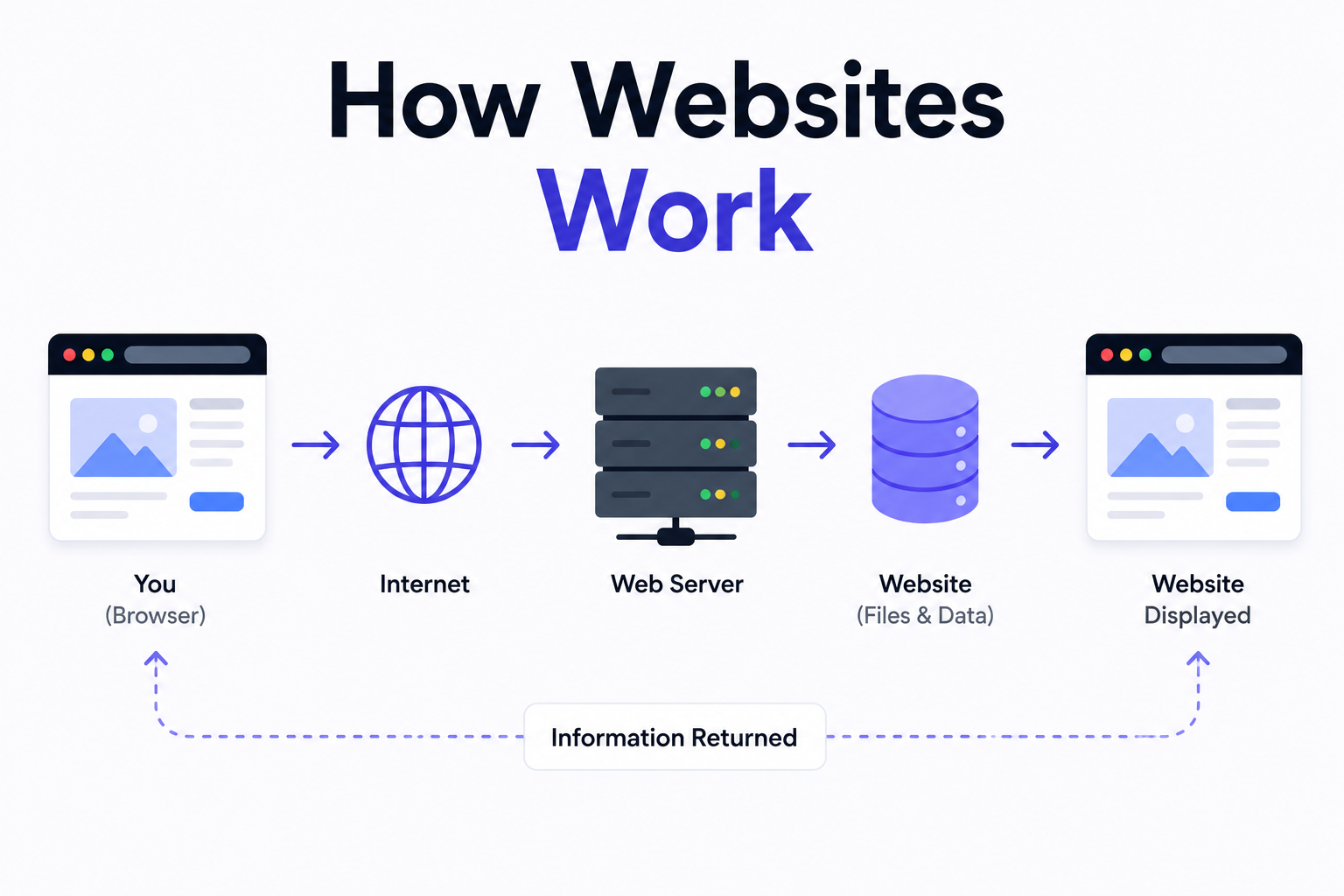
How Websites Work: DNS, Servers, Browsers
What is Website Architecture? Best Practices