Why Your Property Management Business Needs a Dedicated Website
Property management is a relationship-driven business, but those relationships increasingly begin online. Landlords searching for a company to manage their portfolio, tenants looking for available rentals, and property owners evaluating their options all start the same way: with a search engine query. If your property management business does not have a website that appears in those searches, communicates your expertise clearly, and makes it easy for both landlords and tenants to take the next step, you are losing business to competitors who do.
A property management website serves two distinct audiences simultaneously, and the challenge is building something that speaks to both without creating confusion for either. Landlords need to understand why your company is the right choice to protect and grow their investment. Tenants need to find available properties quickly and apply without friction. Serving both audiences well through a single, well-structured website is what separates the property management companies that generate consistent new business online from those that rely entirely on referrals and word of mouth.
This guide covers every step involved in building a property management website that performs for both audiences, from defining your positioning and planning the structure through to the technology, content, and ongoing optimization that keeps landlords enquiring and tenants applying.
Step 1: Define Your Services and Target Market
Property management covers a wide range of services and property types, and the companies that perform best online are those with a clearly defined service offering and a well-understood target market. A company that specialises in managing high-end residential apartments in a specific city needs a completely different website from one that manages a mixed portfolio of commercial and residential properties across a wider region.
Defining your specialism before building shapes every decision that follows. It determines which services the site describes in detail, which search queries the content targets, what tone and visual style the design adopts, and which trust signals matter most to your primary audience. A company focused on luxury residential lets needs to communicate a different set of credentials than one specialising in student accommodation or commercial property management. Getting this clarity upfront makes the entire build more effective and the resulting site more persuasive to the specific clients you want to attract.
Step 2: Plan a Structure That Serves Both Landlords and Tenants
The page structure of a property management website needs to serve two distinct visitor types without creating a confusing experience for either. Landlords arrive looking for information about your services, fees, and track record. Tenants arrive looking for available properties and a straightforward way to apply. Both need to find what they came for immediately, without having to navigate through content that is not relevant to them.
The core pages a property management website requires include a homepage that communicates the company's proposition immediately and directs both landlord and tenant audiences clearly, a landlord services page that explains what the company offers, how fees are structured, and why landlords should choose this company over alternatives, a property listings page where tenants can browse available rentals with full details and photographs, individual property pages with complete information and an application or viewing request function, an about page that covers the company's history, team, and credentials, a testimonials or case study section with genuine client feedback, a blog or resources section for content that builds organic search visibility, and a contact page with clear routing for landlord and tenant enquiries separately.
Navigation design is particularly important on a property management site. The main menu should make it immediately clear that the site serves both landlords and tenants, with dedicated sections for each. Combining both audiences under a single generic navigation structure forces visitors to work harder to find what they need and increases the likelihood they leave before finding it.
Step 3: Choose Technology That Can Handle Property Listings
Property management websites have specific technical requirements that go beyond the standard business website. Property listings need to be added, updated, and removed regularly as availability changes. Each listing requires multiple high-resolution photographs, detailed specifications, and an enquiry or application function. The site needs to perform well despite this volume of imagery and data, and it needs to be fully indexed by search engines so that individual property listings and location-specific pages rank for the local searches that tenants and landlords are making.
Building on React and Next.js addresses all of these requirements directly. Server-side rendering ensures every property listing page and location-specific service page is fully crawlable and indexable by Google, which is essential for the local organic search visibility that property management companies depend on. Built-in image optimization serves property photography efficiently across all devices without the performance cost that high-resolution images typically carry. And a headless CMS integration gives property managers the ability to add new listings, update availability, and publish blog content without requiring developer access for routine operational changes.
Step 4: Build a Property Listings Experience That Works
The property listings section is the most operationally critical part of a property management website. Tenants searching for a rental need to be able to filter available properties by the criteria that matter most to them: location, price range, number of bedrooms, property type, and available date. A listings page without functional filtering forces tenants to scroll through properties that do not match their requirements, which increases bounce rates and reduces the quality of the applications the company receives.
Individual property pages need to be comprehensive enough that a prospective tenant can form a clear picture of the property without needing to visit first. Multiple high-quality photographs from different angles, a full specification covering room dimensions, included appliances and furniture, heating type, parking, and outdoor space, clear information about the tenancy terms and deposit requirements, and a prominent viewing request or application button all contribute to a listing page that generates genuine, qualified applications rather than speculative enquiries that waste everyone's time.
Marking properties as let agreed or under offer rather than removing them immediately keeps the listings section feeling active and well-managed, which reassures prospective landlords that the company moves properties efficiently.
Step 5: Create a Landlord Services Section That Converts
The landlord services section of a property management website is where new business is won or lost. Landlords evaluating a property management company online are looking for answers to a specific set of questions: what services are included, how fees are structured, how the company finds and vets tenants, how maintenance issues are handled, how financial reporting works, and what happens if a tenant stops paying. A landlord services page that answers all of these questions clearly and specifically will consistently outperform one that speaks in vague generalities about being reliable and experienced.
Breaking the services section down into the specific management tiers or packages the company offers, with clear descriptions of what is included at each level, makes the decision process easier for prospective landlords and positions the company as organised and transparent. A fee structure that is explained openly, even if it directs landlords to contact for a precise quote, signals confidence and honesty that opaque pricing never achieves.
Step 6: Design for Trust and Local Credibility
Property management is a high-trust service. Landlords are entrusting a company with assets worth hundreds of thousands or millions of pounds or dollars. Tenants are handing over deposits and personal financial information to a company they found online. Both audiences need to feel confident that the company is credible, accountable, and established before they take any action.
Industry credentials and regulatory memberships such as ARLA Propertymark, RICS, or equivalent bodies in your market should be displayed prominently throughout the site. Client money protection schemes and deposit protection registrations provide legal reassurance to both landlords and tenants. Named team members with photographs and professional backgrounds humanise the company and confirm that real, accountable people are handling their property. Genuine reviews from both landlords and tenants, ideally sourced from independent platforms like Google, provide the social proof that the company's own testimonials page cannot fully replicate.
Local credibility matters significantly in property management. Specific knowledge of the local market, references to the neighbourhoods and postcodes the company operates in, and content that demonstrates familiarity with local rental demand and property values all signal to landlords that they are dealing with a company that genuinely understands the area their property is in.
Step 7: Optimize for Local Search
Property management is an inherently local business, which means local SEO is the most important search strategy for companies in this sector. Landlords and tenants searching for property management services online almost always include a location in their query, whether explicitly or implicitly through their search context. A property management website that ranks well for location-specific queries generates a consistent flow of locally relevant enquiries that referrals and directories cannot match for volume or qualification.
Local SEO for property management starts with location-specific service pages. If the company operates across multiple areas, each area should have its own dedicated page that covers the local market, the types of properties managed in that area, and why local landlords choose this company. These pages rank independently for area-specific queries and collectively build the company's local authority across the entire region it serves.
A well-maintained Google Business Profile, consistent NAP information across all online directories, structured data markup for local businesses, and a review generation strategy that builds a steady stream of genuine Google reviews all contribute to local search visibility that compound over time. Blog content covering local market trends, buy-to-let guides for specific areas, and landlord advice articles builds topical authority and attracts early-stage landlords who are researching before they are ready to instruct a management company.
Step 8: Provide a Tenant Portal and Landlord Dashboard
Beyond the public-facing website, property management companies increasingly differentiate themselves through the quality of the digital tools they provide to existing clients. A tenant portal where renters can submit maintenance requests, access their tenancy documents, and view their payment history reduces the administrative burden on the management team while improving the tenant experience significantly. A landlord dashboard where property owners can view financial statements, track maintenance activity, and monitor their portfolio performance provides the transparency that builds long-term client retention.
These tools do not need to be built from scratch. Integrating established property management software platforms with a custom-built public website gives the agency the best of both worlds: a fully custom-designed marketing site that performs in search and converts visitors, connected to professional-grade operational software that serves existing landlords and tenants effectively.
Step 9: Monitor Performance and Improve Continuously
A property management website requires consistent attention after launch to maintain its search visibility and improve its conversion performance over time. Tracking which service pages generate the most landlord enquiries, which listing pages receive the most viewing requests, and where visitors drop off before taking action provides the data needed to make improvements that move the numbers that matter.
Regular content updates keep location pages and market guides current and relevant as local conditions change. New blog posts targeting landlord and tenant questions expand the site's search footprint continuously. And technical audits ensure the listings functionality, enquiry forms, and overall site performance remain at the standard that both users and search engines expect from a professional property management business.
How We Work
At Munix Studio, every property management website project begins with a discovery phase where we take the time to understand your service offering, your target market, your competitive landscape, and the specific outcomes you need the site to deliver for both landlord and tenant audiences. We define the architecture, map the visitor journeys for both audience types, and plan the content strategy before a single design decision is made.
Our design team builds a professional, trust-first visual experience that reflects your brand and speaks clearly to landlords evaluating your services and tenants searching for their next home. Our development team builds the site on a modern, performant stack with listings functionality, enquiry integration, CMS access for your team, and local SEO foundations built in from the first page. We test everything thoroughly before launch and remain available for ongoing support as your portfolio and digital presence grow together.
Build Your Property Management Website With Munix Studio
At Munix Studio we design and build property management websites that attract landlords, list properties effectively, and rank for the local searches your ideal clients are already making. Every project is built around your specific services, your market, and the growth outcomes that matter most to your business.
Website Development — Custom property management websites built on React and Next.js with listings functionality, enquiry integration, CMS access, and local SEO built in from day one.
UI/UX Design — Professional, trust-first design that speaks clearly to landlords evaluating your services and tenants searching for their next property.
SEO Optimization — Local SEO strategy that gets your property management company ranking for the area-specific searches landlords and tenants in your market are already making.
App Development — Tenant portals and landlord dashboards that reduce your administrative workload and improve the experience for everyone on your books.
Maintenance and Support — Ongoing listings management, content updates, and technical support to keep your property management website performing at its best year round.
Frequently Asked Questions
Ready to Get Started?
Website Development
Custom property management websites built on React and Next.js with property listings, enquiry integration, CMS access, and local SEO foundations built in from the very first page.
Explore Website DevelopmentUI/UX Design
Professional, trust-first design that speaks clearly to landlords evaluating your management services and tenants searching for their next home.
Explore UI/UX DesignSEO Optimization
Local SEO strategy that gets your property management company ranking for the location-specific searches landlords and tenants in your market are already making.
Explore SEO OptimizationApp Development
Tenant portals and landlord dashboards that reduce your team's administrative workload and improve the digital experience for every client on your books.
Explore App DevelopmentMaintenance and Support
Ongoing listings management, content updates, and technical support to keep your property management website performing and converting throughout the year.
Explore Maintenance and SupportRelated Articles
What is Website Development? The Complete Guide for Beginners
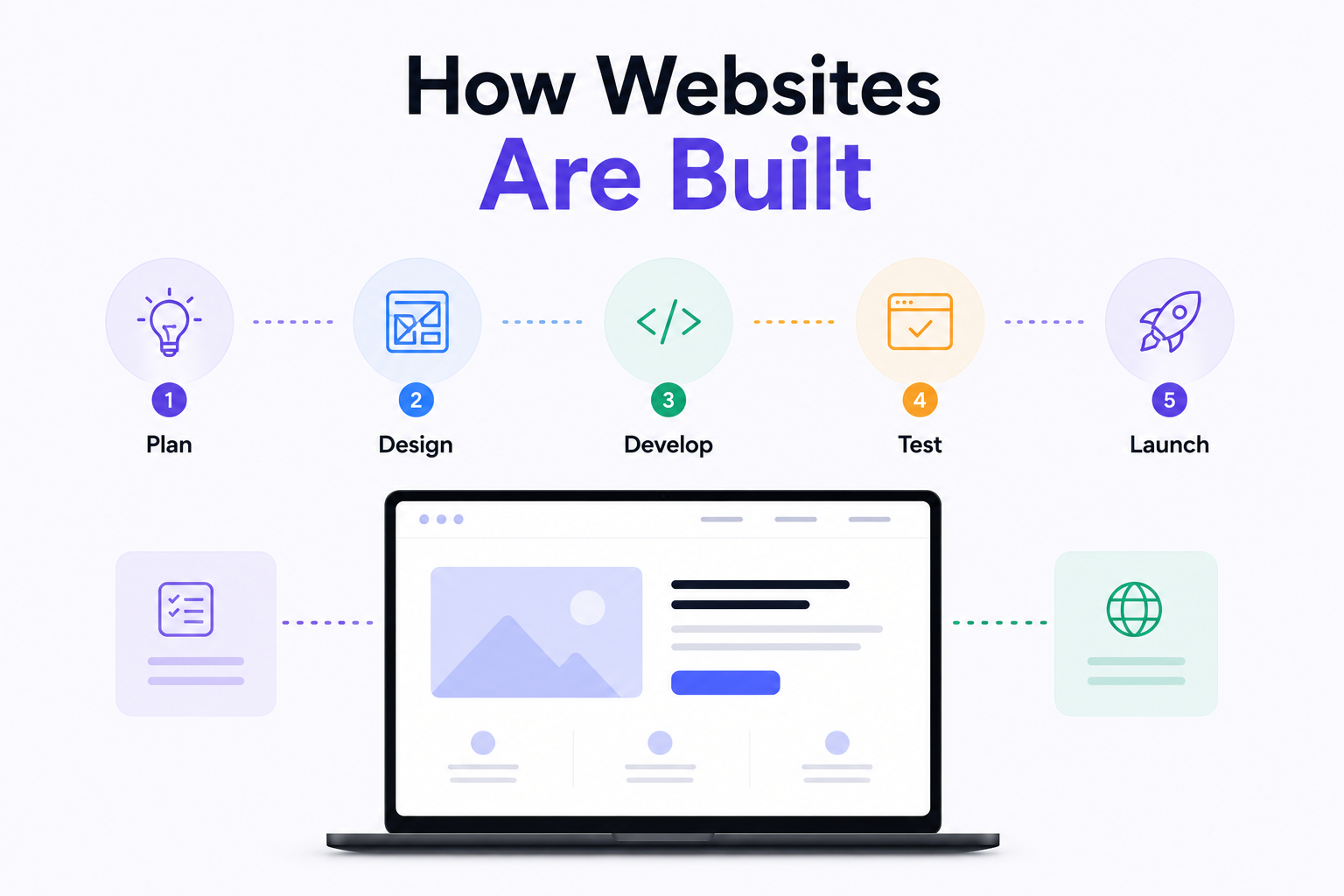
How Are Modern Websites Built in 2026?

Website Development Process & Life Cycle : Complete Guide
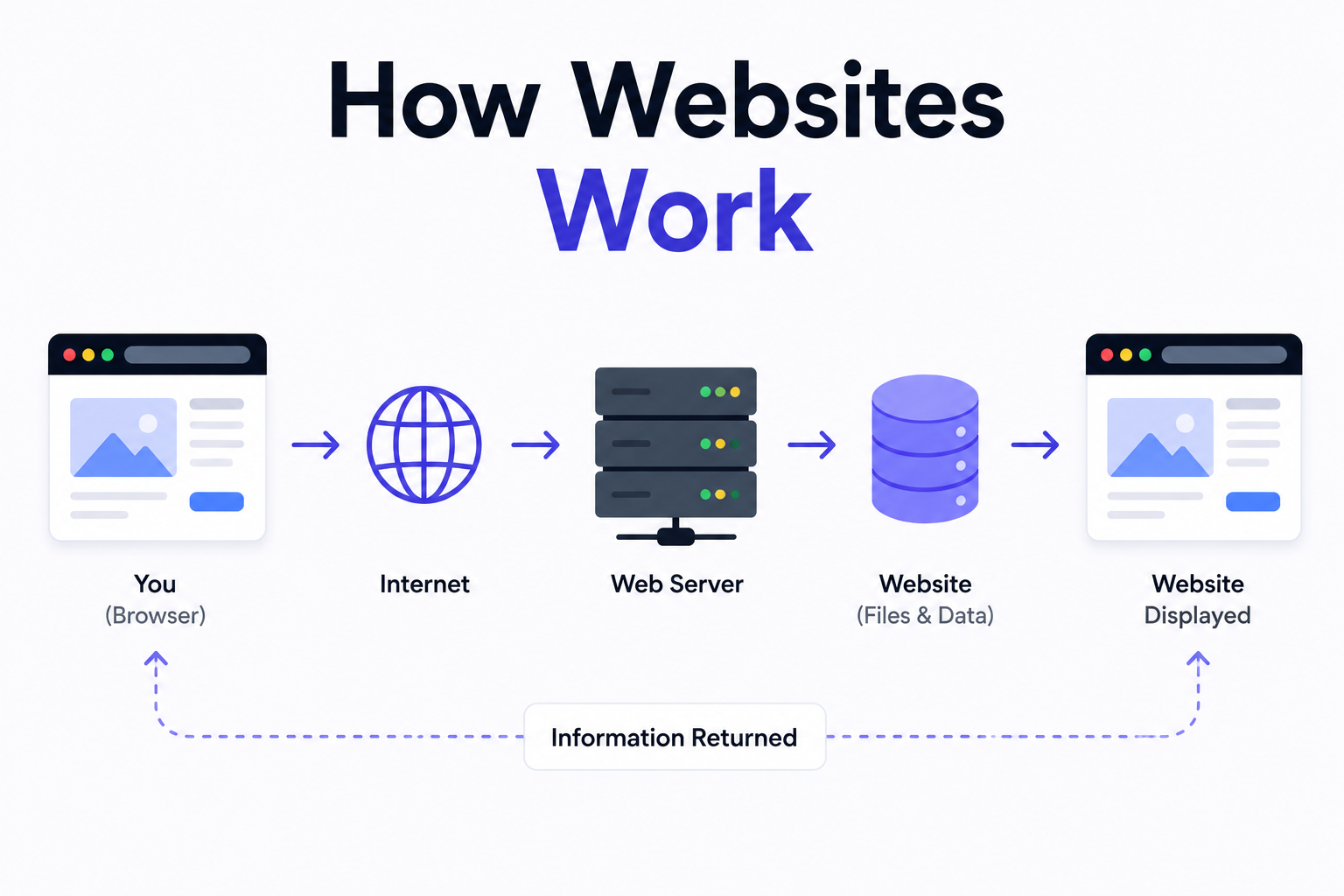
How Websites Work: DNS, Servers, Browsers
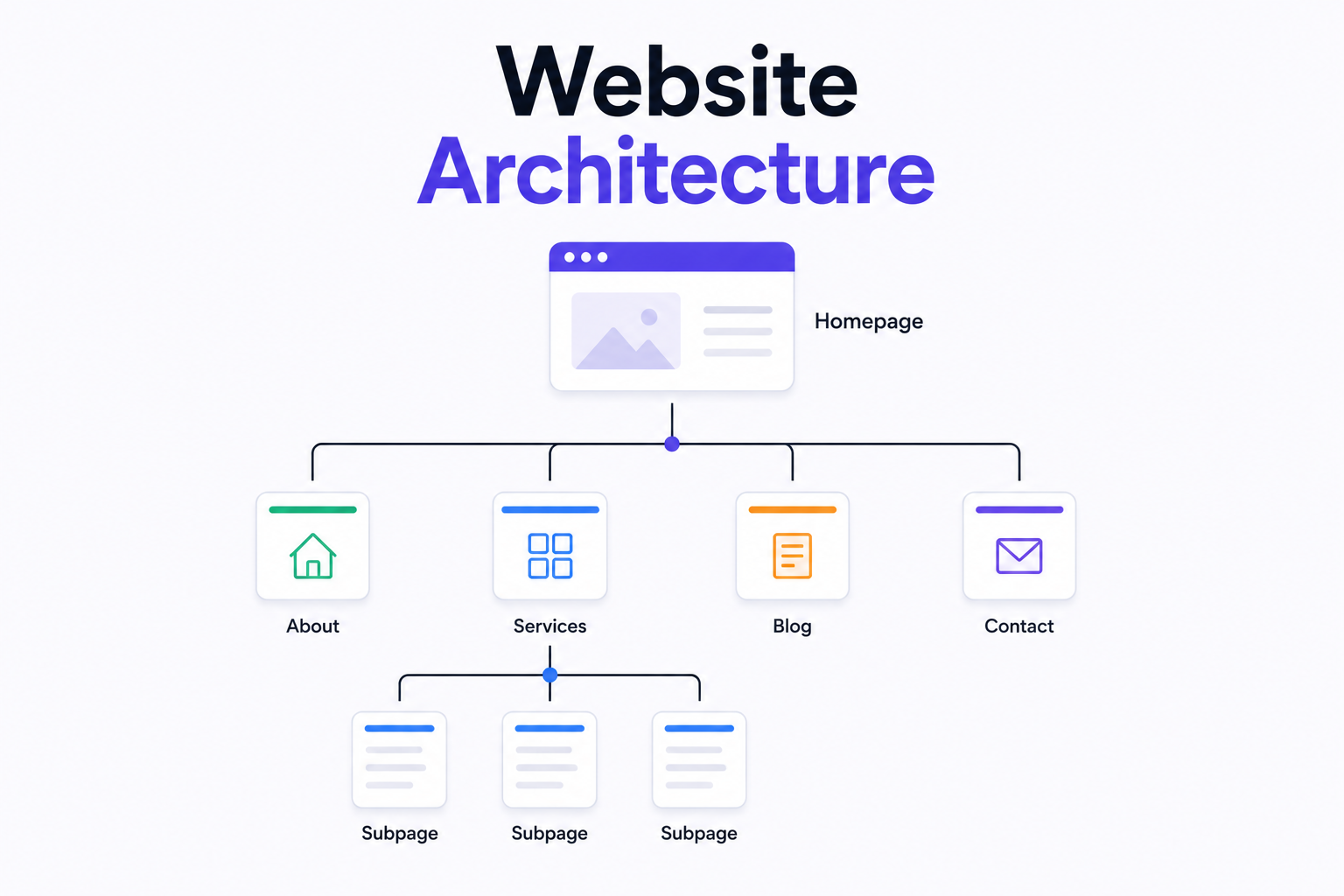
What is Website Architecture? Best Practices