Most technology companies are remarkably good at building products and remarkably inconsistent at making sure the right people can find them. A software business can have an exceptional product, a strong sales team, and a well-designed website — and still be invisible to the decision makers who are actively searching for exactly what it offers. That invisibility is an SEO problem, and it is one of the most solvable growth problems a tech company faces.
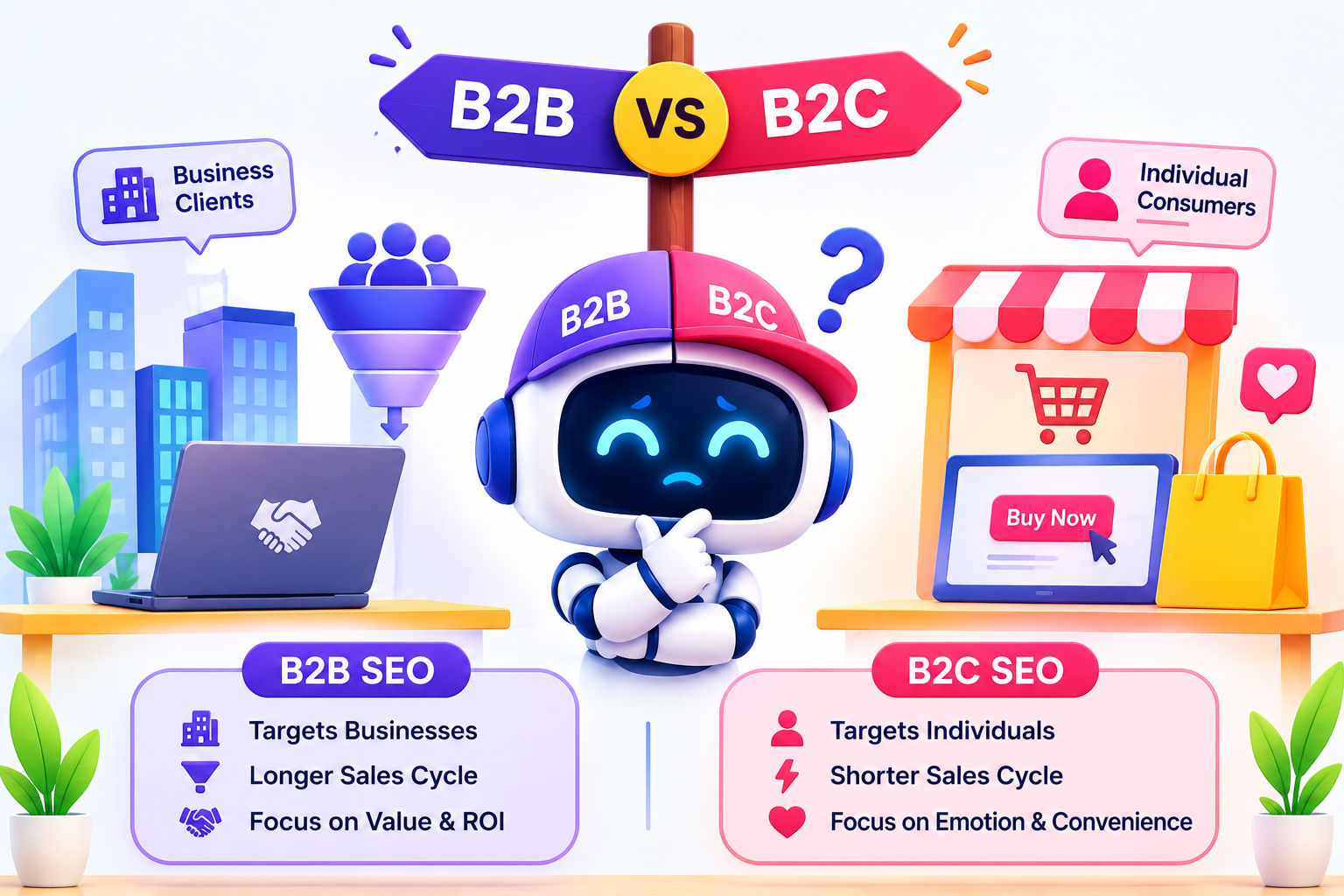
SEO for tech companies operates on a different set of priorities from SEO for retail, hospitality, or consumer brands. The buyers are different — technical founders, IT managers, procurement leads, and CTOs who search with precision and evaluate sources critically before making contact. The content is different — documentation, comparison pages, technical guides, and case studies carry more weight than lifestyle content. The keywords are different — lower volume but significantly higher commercial intent. And the competitive landscape is different — many technology companies underinvest in SEO, which creates genuine opportunities for those who commit to it seriously.
This guide covers the full picture of SEO for technology companies: how it works, what makes it different from general SEO, which keyword strategies produce the best results for IT and software businesses, and how to build the kind of sustained organic presence that compounds into a significant, durable growth channel over time.
Why SEO Is a High-Priority Growth Channel for Tech Companies
The buyers of technology products and services start their evaluation process with search. A CTO looking for a cloud migration partner, an IT manager researching managed security service providers, a founder comparing SaaS platforms for their team — all of them begin by searching Google before they make contact with any vendor. Research from Gartner consistently shows that B2B buyers complete between 60% and 70% of their purchase decision process before ever speaking to a sales representative. SEO is what determines whether your company is part of that decision process at all.
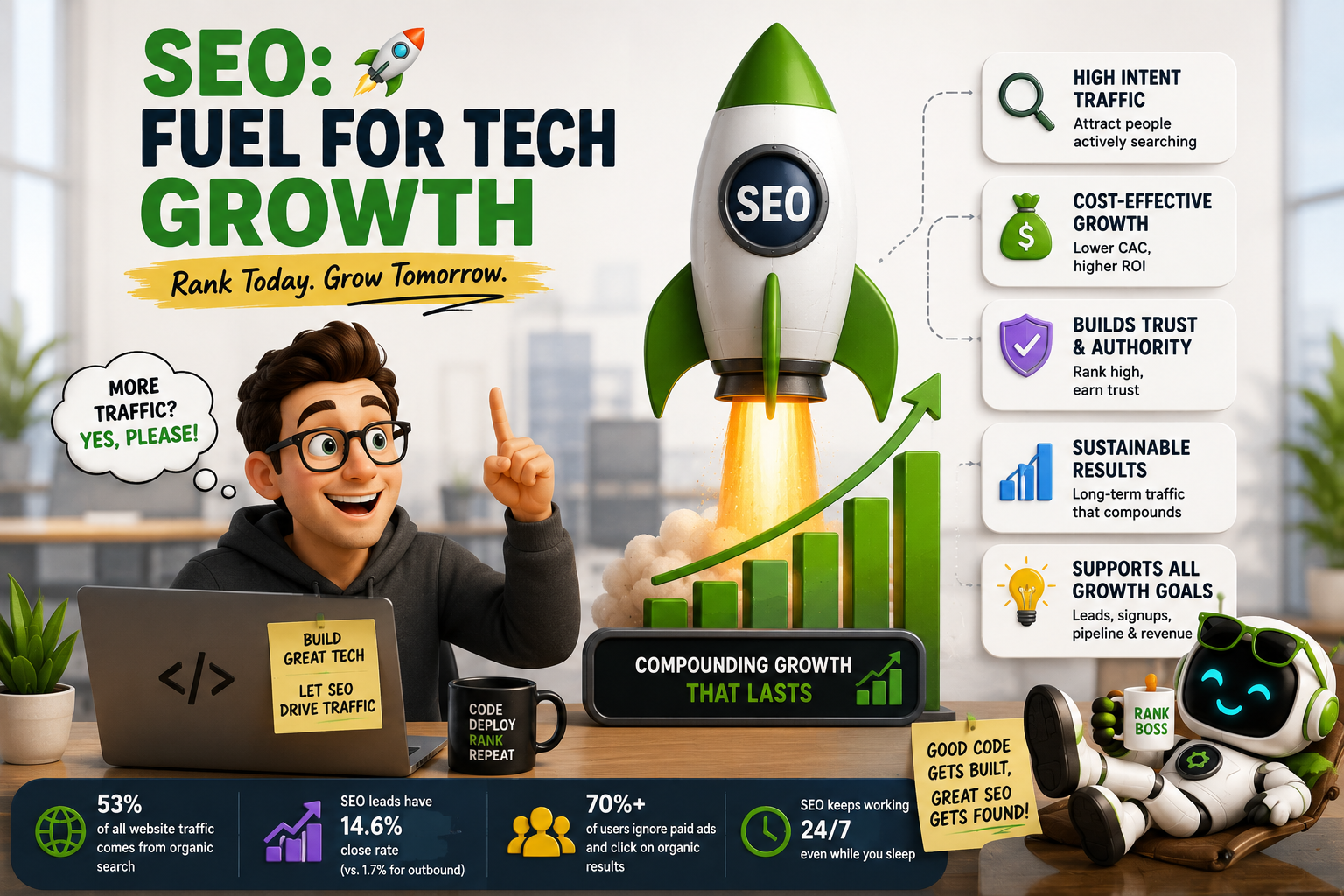
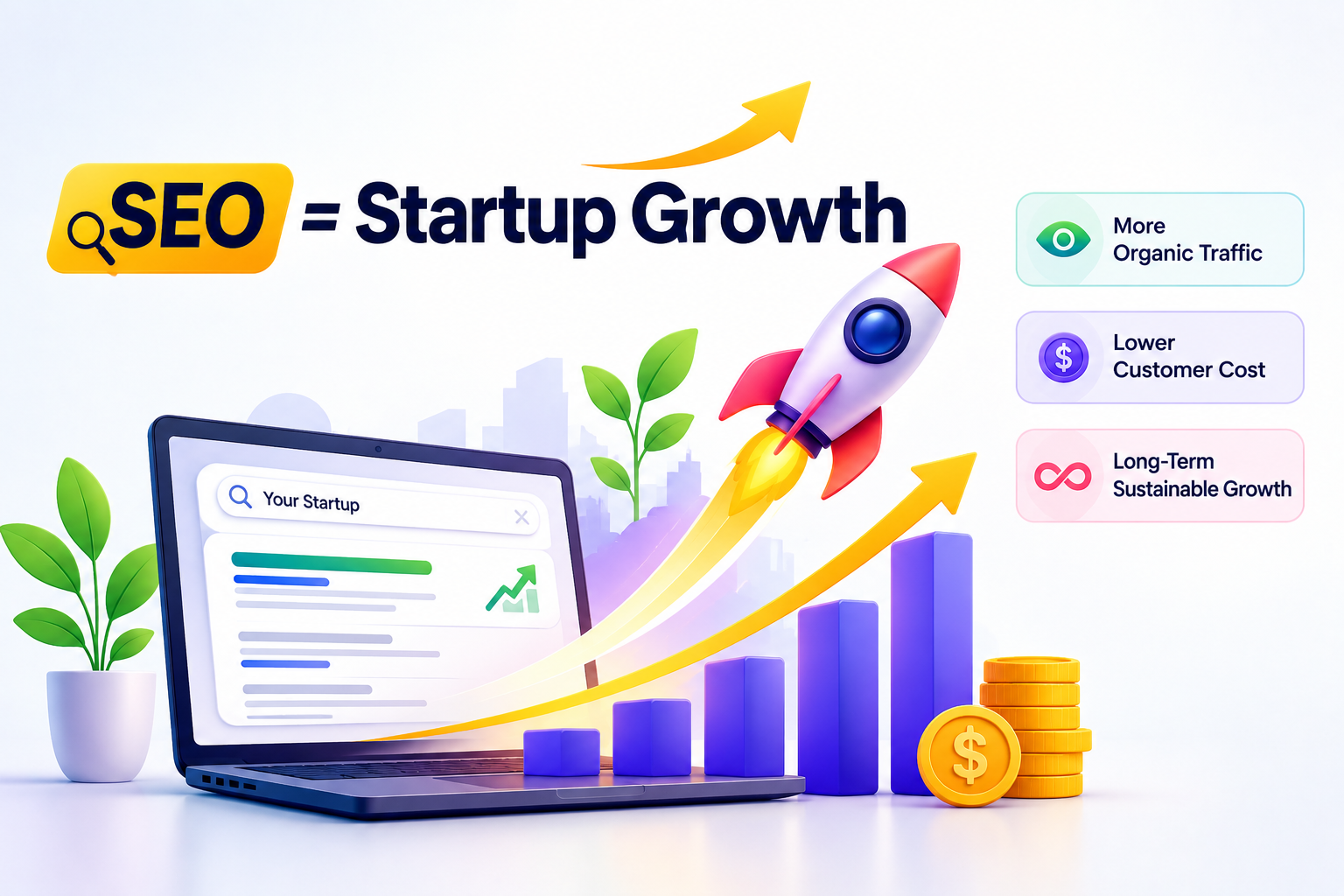
Paid advertising can buy visibility in search results, but it stops the moment the budget does. SEO builds an asset — organic search rankings — that continues to generate traffic and leads without ongoing spend. For technology companies with long sales cycles and high customer lifetime values, the economics of organic search are particularly compelling. A single well-ranked article targeting a high-intent keyword can generate qualified leads consistently for years, at a cost per lead that eventually approaches zero.
There is also a credibility dimension specific to the technology sector. When a potential client searches for an IT solution and finds your company's content ranking prominently — not just in paid ads but in organic results — it signals expertise and authority in a way that advertising cannot replicate. Technical buyers are sophisticated enough to distinguish between companies that know their subject matter and those that are simply paying for visibility. Organic rankings, particularly for technical and informational queries, are a credibility signal that carries real weight in the evaluation process.
What Makes SEO for Tech Companies Different
Technology company SEO is not simply general SEO applied to a tech context. Several characteristics of the tech sector create distinct requirements and opportunities that a generic SEO approach misses entirely.
Technical Buyers Require Technical Content
The people making purchasing decisions at technology companies — and the people influencing those decisions — can immediately recognise shallow content. An article about cloud security that uses only surface-level terminology, avoids specific technical detail, and fails to engage with real implementation challenges will not earn the trust of a security engineer evaluating vendors. IT company SEO requires content that demonstrates genuine subject matter expertise, engages with technical specifics, and treats the reader as an intelligent professional rather than a passive consumer.
This aligns directly with Google's E-E-A-T framework — Experience, Expertise, Authoritativeness, Trustworthiness — which plays a particularly significant role in ranking content on topics that require professional knowledge. Technology, software, and IT content falls squarely in this category. Content produced by identifiable experts, attributed to named authors with credible backgrounds, and supported by specific technical detail consistently outperforms generic content produced purely for SEO volume in these categories.
Lower Volume, Higher Intent Keywords
Technology company keywords often have lower search volumes than consumer keywords, but this comparison is misleading. A keyword like "enterprise cloud migration services" might have 200 monthly searches globally, but each searcher is a potential client representing a contract worth tens of thousands of dollars. A keyword like "best running shoes" might have 50,000 monthly searches but each visitor is worth a fraction of that. Volume is the wrong metric for evaluating tech company keyword opportunities. Intent, specificity, and commercial value are the right ones.
This is why keyword difficulty scores in the 8 to 18 range for terms like "seo for software companies" or "seo for IT companies" represent genuine opportunity rather than a warning sign. Low competition on commercially valuable, specific keywords is exactly the condition under which a well-executed SEO strategy produces disproportionate returns quickly.
Long Sales Cycles Demand a Full-Funnel Approach
Technology purchases — particularly in the B2B space — involve multiple stakeholders, extended evaluation periods, and multiple touchpoints before a decision is made. A prospect might first discover a company through an informational article, return weeks later to read a comparison page, download a case study, and only then request a demo or contact sales. An SEO strategy for a tech company needs to produce content that serves this entire journey rather than targeting only the final decision-stage keywords where competition is highest and the buyer has often already narrowed their shortlist.
SEO Keywords for IT and Software Companies: Strategy and Selection
Keyword strategy for a technology company starts with mapping the full territory of searches your potential clients are making across the entire buying journey — from early-stage problem awareness through to active vendor evaluation. Each stage of that journey has a different keyword profile and a different content format that serves it best.
Keyword Categories for Tech Companies
Keyword Type Intent Stage Example Keywords Best Content Format Typical KD Range Problem-aware Top of funnel "why is my website slow", "how to reduce IT costs" Educational blog posts, guides Low to Medium Solution-aware Mid funnel "best seo tools for software companies", "cloud migration benefits" Comparison pages, listicles, deep guides Medium Vendor-aware Bottom of funnel "seo agency for technology companies", "managed IT services Lahore" Service pages, case studies, landing pages Low to Medium Comparison Mid to bottom funnel "HubSpot vs Salesforce for IT companies", "AWS vs Azure" Comparison articles, feature tables Medium Local / geographic Bottom of funnel "software development company Karachi", "IT support company Lahore" Location pages, Google Business Profile Low
How to Find the Right SEO Keywords for a Software Company
Effective keyword research for a software or IT company starts not with a keyword tool but with a clear articulation of what the company sells, who buys it, and what problems those buyers are trying to solve. The keyword tool comes second — it is used to find the specific language those buyers use when searching, not to generate a list from scratch.
Start by listing every service the company offers and every problem it solves. A software development company might list custom web application development, API integration, legacy system modernisation, and dedicated developer placement. Each of these generates its own keyword cluster — the specific terms people use when searching for that capability. Tools like Semrush, Ahrefs, and Google Search Console surface the actual search volume and competition data for those terms.
Pay particular attention to long-tail keywords — three to five word phrases that are highly specific to what the company does. "Custom CRM development for logistics companies" has far lower search volume than "software development" but the person searching it has a precise, specific need and is far closer to making a purchasing decision. Long-tail keywords for IT companies tend to have dramatically lower keyword difficulty alongside meaningful commercial intent, which makes them the highest-ROI targets for a company building its organic presence from scratch.
SEO for Software Development Companies and Software Factories
Everything covered so far in this guide applies to technology companies broadly, but one segment of the tech sector searches for SEO help using its own distinct vocabulary: software development companies, custom software shops, and what a large share of the market — particularly in Latin America and parts of Europe — calls a "software factory" (fábrica de software). These are businesses that build software for other companies rather than selling a product of their own, and their SEO requirements differ from a SaaS company's or an IT support provider's in several concrete ways.
The buyer here is typically evaluating a development partner, not a finished product. They are searching for evidence of technical capability in a specific stack, industry experience relevant to their own sector, and proof of delivery — not feature comparisons or pricing tiers. This changes what "ranking well" actually requires: a software development company's SEO strategy lives or dies on the strength of its portfolio pages, case studies, and technology-specific landing pages, far more than on educational blog content.
What this audience searches for, and what should rank for it:
Technology-stack-specific service pages — "React development company," "Laravel development agency," "custom .NET development services" — each targeting a buyer who has already decided on a technology and is filtering vendors by capability
Industry-specific development pages — "custom software development for logistics," "healthcare software development company" — combining the service with the buyer's sector, which is exactly the long-tail pattern that ranks fastest for a new domain
Portfolio and case study pages structured around the client's problem, the technical approach taken, and the measurable outcome — these pages do double duty as sales collateral and organic search assets, the same way case studies were covered earlier in this guide for the broader tech company audience
Nearshore and outsourcing-specific terms — a meaningful share of this demand comes from companies specifically searching for a nearshore or offshore development partner rather than a local one, which means location and time-zone framing (nearshore to the US, nearshore to Western Europe) belongs directly in service page copy, not just in an About page
The keyword difficulty for this cluster tends to sit in a similar low-to-medium range as the broader IT company terms covered earlier, which means the same principle applies: specificity beats volume. "Custom software development company" alone is a difficult, generic target. "Custom CRM development for logistics companies," or "React Native development company for healthcare startups," is achievable and converts at a far higher rate because the searcher has already self-qualified by including their own specifics in the query.
One practical note for software development companies specifically: because the buyer's decision hinges heavily on trust in technical capability, the E-E-A-T signals discussed earlier in this guide — named, credentialed authors, specific technical detail, real client outcomes — matter even more here than for a typical B2B tech company, since the entire commercial relationship is a bet on the vendor's technical competence before any work has been delivered.
SEO for Technical Support and Helpdesk Software Companies
Technical support and helpdesk software occupies a distinct enough position in the market that it consistently generates its own search demand, separate from general "software company" or "IT company" framing. This is the SaaS category covering ticketing systems, customer support platforms, and IT service management tools — Zendesk, Freshdesk, Jira Service Management, and similar products, along with the agencies and consultancies that implement or customize them.
The buyer for this category is typically an IT manager or support operations lead evaluating a platform that has to work reliably alongside tools already in place — a CRM, a communication platform, an existing ticketing workflow. This is a more integration-anxious buyer than the general tech company audience covered earlier in this guide: reliability and compatibility concerns dominate the evaluation far more than feature breadth, because a support tool that fails or doesn't sync properly with existing systems creates an operational crisis, not just an inconvenience.
Content and keyword strategy for this vertical should weight integration-specific and reliability-specific queries heavily. "Helpdesk software that integrates with Salesforce," "ticketing system with Slack integration," and "most reliable IT service management platform" all reflect this buyer's actual evaluation criteria far more accurately than generic feature-comparison content does. Uptime and reliability messaging — SLA commitments, historical uptime data, incident response processes — carries disproportionate weight in this category's content compared to general tech company SEO, because buyers have typically already experienced the operational cost of an unreliable support tool and are actively screening for that risk.
This category also has an unusually direct connection between content and product: a detailed guide comparing helpdesk software integration options, or a walkthrough of migrating from one ticketing system to another, serves both organic search demand and a genuine product-education need simultaneously — similar to how case studies double as sales and SEO assets for software development companies, covered earlier in this guide. Companies competing in technical support and helpdesk software should prioritize this integration- and migration-focused content over generic "what is a helpdesk" educational pieces, since the buyer for this specific vertical arrives already past that basic educational stage and is actively comparing operational fit.
SEO for Niche Technology Verticals
Beyond the general "tech company" and "software development company" audiences, a smaller but consistent stream of search demand comes from businesses operating in specific technology sub-sectors, each with a slightly different buyer and keyword profile. These verticals don't individually justify a dedicated guide, but each has its own search language worth addressing directly.
Technical support and helpdesk software companies face a buyer evaluating reliability and integration above all else — IT managers researching a platform that needs to work alongside existing ticketing, CRM, and communication tools. Content that ranks well here tends to be integration-focused ("helpdesk software that integrates with Salesforce") and uptime/reliability-focused rather than feature-list-focused, since this category has more direct competitors than most and buyers have usually already narrowed a shortlist by the time they're searching.
Cloud software and infrastructure companies sell into a buyer who is comparing cost models and migration complexity as much as features. Keywords here skew toward migration and cost-optimisation intent — "reduce AWS costs," "migrate from on-prem to cloud" — which rewards the same technical, thought-leadership content strategy already covered earlier in this guide for the broader tech audience, applied specifically to cloud economics and migration paths.
Martech companies sell into marketing teams rather than IT departments, which is a meaningfully different buyer even though the company itself is "tech." Content needs to speak marketing outcomes — attribution, campaign performance, funnel metrics — rather than technical architecture, and comparison content against other martech tools carries disproportionate weight because marketing buyers research competitively before ever requesting a demo.
Telecom technology companies operate in a sector where regulatory and compliance keywords intersect with technical ones, and where B2B and B2G (business-to-government) search intent both appear. Content addressing compliance frameworks alongside technical capability tends to outperform purely technical content in this vertical.
Tech scaleups — companies past the earliest startup stage but not yet enterprise — search less for "how to do SEO" and more for "how to scale SEO," reflecting a team that already has some organic presence and needs to know how to extend it. This is a smaller and more advanced audience; a short callout addressing what changes about SEO strategy once a company has outgrown the startup stage (larger content teams, more competitive keyword targets becoming viable, the shift from founder-led content to a dedicated content function) serves this segment without requiring a full standalone section.
Technical SEO for Technology Companies
Technical SEO is the foundation on which all content and keyword work sits. A technology company that neglects technical SEO is building on sand — no matter how good the content is, crawling problems, slow page speeds, or structural issues will prevent it from ranking to its potential. For tech companies specifically, technical SEO quality is also a credibility signal: a software business whose own website has broken links, poor Core Web Vitals scores, and missing structured data is making an implicit statement about its attention to technical detail.
Core Web Vitals
Google's Core Web Vitals — Largest Contentful Paint (LCP), Interaction to Next Paint (INP), and Cumulative Layout Shift (CLS) — are direct ranking signals as well as user experience measurements. Technology company websites frequently struggle with Core Web Vitals because they are built with feature-rich JavaScript frameworks that, without careful performance optimisation, produce large JavaScript bundles that slow down initial page rendering. An IT company website that scores poorly on LCP — meaning its main content takes more than 2.5 seconds to appear — is at a measurable ranking disadvantage against competitors whose sites load faster.
Addressing Core Web Vitals for a tech company website typically involves auditing and reducing JavaScript bundle sizes, implementing lazy loading for images and below-the-fold content, ensuring images are served in modern formats like WebP or AVIF and sized appropriately for each device, and eliminating render-blocking resources that prevent the browser from displaying content quickly. These are precisely the kinds of technical optimisations that a software company should be capable of executing — and failing to do so on their own website is a harder-to-explain gap than it would be for a non-technical business.
Site Architecture for IT Company Websites
A well-structured site architecture serves two masters simultaneously: search engine crawlers that need to discover and understand all of the site's content efficiently, and human visitors who need to find what they are looking for without friction. For technology companies with multiple service lines, practice areas, or product categories, a logical hierarchical structure — with clear parent service pages and supporting content pages beneath them — is both more crawlable and more usable than a flat architecture where all pages sit at the same level.
Internal linking is the mechanism through which site architecture is expressed in practice. Every service page should be linked from relevant blog posts and resource articles. Every blog post should link to relevant service pages when the topic warrants it. This internal linking structure distributes page authority across the site and creates clear pathways for both crawlers and visitors to navigate from informational content toward commercial pages.
Structured Data for Tech Companies
Structured data markup helps search engines understand the content and context of pages beyond what the visible text alone communicates. For technology companies, the most relevant schema types are Organization markup on the homepage, Service markup on service pages, Article or TechArticle markup on blog and resource content, FAQPage markup on pages with question-and-answer content, and Review or AggregateRating markup where client testimonials or ratings are present. These markups can produce rich results in search — enhanced listings with additional information displayed directly in the results page — and they signal to Google's systems the authoritative nature of the content.
Technical SEO Factor Why It Matters for Tech Companies Impact Level Common Issue Core Web Vitals Direct ranking signal; credibility with technical buyers High Heavy JS frameworks slowing LCP Crawlability and indexing Pages not indexed cannot rank regardless of quality Very High JS-rendered content not crawled HTTPS and security Baseline ranking requirement; trust signal for B2B buyers Medium Mixed content warnings Mobile responsiveness Google indexes mobile version first High Desktop-only layouts on older sites Structured data Enables rich results; reinforces E-E-A-T signals Medium to High Missing or incorrectly implemented schema XML sitemap Ensures all pages are discoverable by Google Medium Outdated or missing sitemap Canonical tags Prevents duplicate content diluting rankings Medium Unintentional duplicate pages
Content Strategy for Technology Company SEO
Content is the primary vehicle through which technology companies build organic search visibility. Service pages establish what the company offers and target bottom-of-funnel commercial keywords. Resource content — guides, tutorials, comparisons, explainers — targets the informational and mid-funnel keywords that attract potential clients earlier in their buying journey and build the topical authority that improves rankings across the entire domain.
Service Pages as Commercial Anchors
Every service a technology company offers should have a dedicated, substantive page optimised for the keywords buyers use when searching for that service. A page that describes a service in three vague paragraphs with no technical specificity, no evidence of results, and no clear differentiation from competitors is not doing its job. A well-optimised service page for an IT company communicates what the service involves, who it is for, what outcomes it delivers, how it is delivered, and why this company is the right choice for it — all while naturally incorporating the keywords the target buyer is searching for.
Service pages should include client testimonials, case study summaries, relevant credentials and certifications, and a clear conversion path — a contact form, a call-to-action to book a consultation, or a link to a more detailed case study. These elements serve both the visitor's evaluation process and the page's E-E-A-T signals.
Technical Content and Thought Leadership
The content type that builds the most durable SEO authority for technology companies is technically substantive thought leadership — articles, guides, and resources that demonstrate genuine expertise on topics directly relevant to the company's service areas. An IT managed services company that publishes a detailed guide to implementing zero-trust network architecture, a software development firm that publishes an in-depth comparison of microservices versus monolithic architecture patterns, or a cloud solutions provider that publishes a step-by-step guide to optimising AWS costs — all of these are producing content that earns trust from technical buyers and search engine authority simultaneously.
This type of content consistently earns backlinks from other technical publications, developer communities, and industry forums — which are among the highest-quality link sources available. Backlinks from credible, relevant sources remain one of the most significant ranking factors in Google's algorithm, and technical content produced for a genuine expert audience earns them more reliably than any other content strategy.
Case Studies as SEO and Sales Assets
Case studies occupy a unique position in technology company content strategy because they serve both the sales process and organic search simultaneously. A detailed case study describing how a software development firm reduced a client's infrastructure costs by 40% through a microservices migration targets buyers who are searching for evidence of exactly that capability. Written with the client's industry, the challenge they faced, the specific technical approach taken, and the measurable outcomes achieved, a case study can rank for highly specific long-tail keywords while also being one of the most persuasive pieces of content a prospect encounters during evaluation.
Content Formats That Work for IT and Software Companies
Content Format Funnel Stage SEO Value Sales Value Link Earning Potential Technical guides and tutorials Top to mid Very High Medium Very High Comparison articles Mid funnel High High Medium Case studies Bottom funnel Medium Very High Medium Glossary and definition pages Top of funnel High Low High Industry reports and data Top to mid Medium Medium Very High Service pages Bottom funnel High Very High Low
Link Building for Technology Companies
Backlinks — links from other websites pointing to yours — remain one of the most significant factors in Google's ranking algorithm. For technology companies, link building operates in a more defined landscape than consumer businesses: the sources that carry the most authority in the technology sector are developer communities, technical publications, industry associations, partner networks, and media outlets covering technology business topics.
The most sustainable link building strategy for an IT or software company is creating content that people in the relevant technical community naturally want to reference. A comprehensive guide to a technical topic, original research data on an industry trend, or a well-structured technical tutorial that solves a common problem will earn links from developers, technical writers, and industry publications without requiring outreach campaigns. This earned-link approach produces higher-quality links than most outreach methods because the linking sites are choosing to link based on genuine content value rather than relationship or reciprocity.
Strategic partnership opportunities are also a strong link building avenue for tech companies. Technology partners, integration partners, resellers, and platform marketplaces often include listed partners on their websites with links — and a link from an established technology platform's partner directory carries genuine authority. Software companies listed in G2, Capterra, or similar software directories earn both referral traffic and domain authority signals from the listing links.
Local SEO for IT Companies
Not all technology company SEO is global. IT support companies, managed service providers, software development agencies, and technology consultancies that serve clients in specific cities or regions benefit substantially from local SEO investment. The competitive landscape for local technology service keywords is often significantly less intense than for broad national terms, which means local rankings can be achieved faster and with less content investment.
A Google Business Profile is the foundation of local SEO for any IT company with a physical presence or a defined service area. A complete, accurate, and regularly updated Business Profile — with service categories, business hours, photos, and a consistent stream of client reviews — improves visibility in Google Maps results and the local pack that appears for geographically qualified searches. For an IT support company in Karachi, ranking in the local pack for "IT support company Karachi" generates highly qualified local leads at zero ongoing cost per click.
Location-specific service pages on the company website complement the Business Profile by providing the content depth that search engines need to understand geographic relevance. A page specifically addressing software development services in Lahore, with content that is genuinely relevant to that market rather than a thin template with the city name inserted, targets local search intent more effectively than a generic national service page.
SEO for Growth: Building a Compounding Organic Channel
The most important characteristic of SEO as a growth channel for technology companies is its compounding nature. Unlike paid advertising where results are directly proportional to spend and stop when spend stops, organic search rankings build over time. A page that earns good rankings continues to generate traffic without additional investment. New content builds on the authority of existing content, making each subsequent piece easier to rank than the one before it. A domain that has established topical authority in a specific area ranks new content in that area faster than a domain approaching the topic for the first time.
The implication is that the best time to invest in SEO for a technology company is earlier rather than later. The compounding effect means that a company that begins serious SEO investment today will be in a dramatically better organic position in twelve months than one that waits. The keywords available in the low-to-medium competition range do not stay that way indefinitely — as other technology companies recognise the opportunity and invest, competition increases and the cost of achieving rankings rises.
Measuring SEO for growth requires tracking the right metrics at the right time horizons. In the first three to six months, the meaningful signals are technical health improvements, indexing coverage, and keyword ranking movements — not yet traffic or lead volume. From six to twelve months, organic traffic growth and ranking positions for target keywords are the primary measures. Beyond twelve months, organic lead volume, lead quality, and the proportion of total leads coming from organic search are the metrics that demonstrate business impact. Technology companies that abandon SEO investment before reaching the twelve-month mark consistently do so just before the compounding effect becomes measurable.
Should a Tech Company Hire an SEO Agency?
The decision between building SEO in-house and working with a specialist SEO agency for technology companies depends on several factors: the internal team's existing expertise and bandwidth, the pace at which results are needed, the complexity of the technical SEO challenges the site faces, and the volume of content production required.
In-house SEO makes sense when a technology company has a dedicated marketing team with SEO expertise, the content production capacity to execute a substantive content strategy, and the technical resources to implement SEO recommendations without a long queue behind them. This combination is relatively rare at most small to mid-size IT companies, where marketing teams are small and technical resources are focused on client work.
A specialist SEO agency for technology companies brings immediate expertise across the full range of SEO disciplines — technical auditing, keyword strategy, content production, and link building — without the overhead of recruiting, onboarding, and retaining in-house talent. The quality differential between a generalist SEO agency and one with specific experience in the technology sector is significant: technology company SEO requires content that is technically credible, keyword strategies that reflect how technical buyers search, and an understanding of the B2B buying journey that a generalist agency applied to a consumer-facing business will not bring by default.
When evaluating an SEO agency for a technology company, the relevant questions are: does the agency understand the technology sector well enough to produce technically credible content? Can they demonstrate experience with B2B technology company clients? Do they produce transparent reporting against the metrics that actually reflect business impact? And do they approach SEO as a long-term growth investment rather than a short-term traffic hack?
Related Services
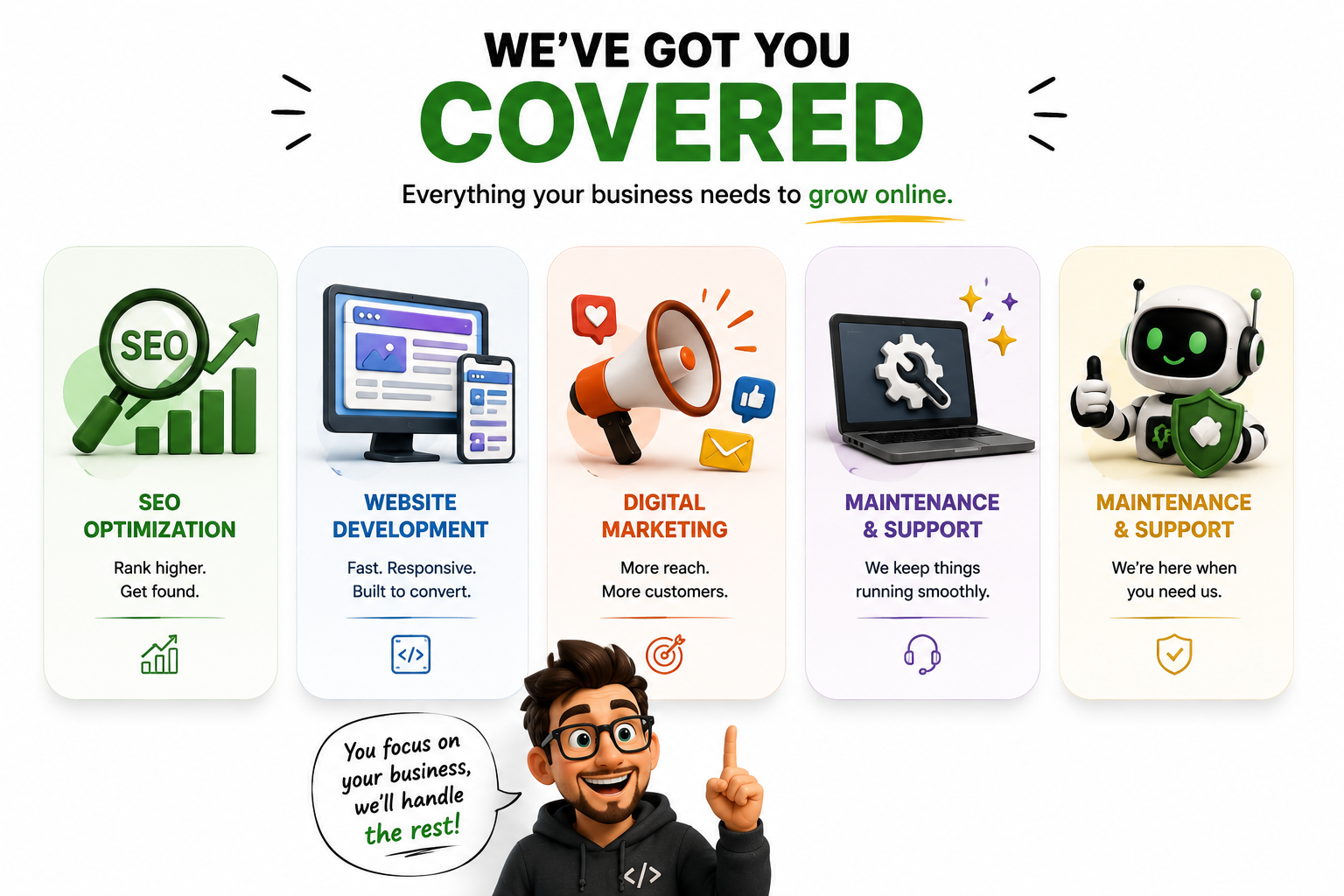
Munix Studio works directly with technology companies, IT firms, and software businesses to build organic search presence that generates qualified leads and supports sustained growth. The following services are directly relevant to technology company SEO:
SEO Optimization — Comprehensive SEO for technology companies covering technical auditing, keyword strategy for IT and software businesses, on-page optimisation, content strategy, and link building — delivered by a team that understands how technical buyers search and evaluate.
Website Development — SEO-ready website development for technology companies built with clean architecture, fast Core Web Vitals scores, proper structured data, and the technical foundation that makes SEO investment productive from day one.
Digital Marketing — Full-funnel digital marketing for IT and software companies combining organic SEO with paid search, content distribution, and lead generation campaigns designed for the B2B technology buying cycle.
Graphic and Branding — Brand identity for technology companies that communicates credibility and expertise to the technical buyers and decision makers your SEO efforts are bringing to your website.
Maintenance and Support — Ongoing website maintenance that keeps technical SEO foundations intact — security updates, performance monitoring, and content updates that prevent the technical decay that gradually erodes hard-earned search rankings.
Frequently Asked Questions
Ready to Get Started?
SEO Optimization
Comprehensive SEO for technology companies — technical auditing, IT and software keyword strategy, on-page optimisation, content planning, and link building by a team that understands technical buyers.
Explore SEO OptimizationWebsite Development
SEO-ready website development for tech companies — built with clean architecture, fast Core Web Vitals, proper structured data, and the technical foundation SEO investment requires.
Explore Website DevelopmentDigital Marketing
Full-funnel digital marketing for IT and software companies combining organic SEO with paid search, content distribution, and lead generation designed for the B2B technology buying cycle.
Explore Digital MarketingGraphic and Branding
Brand identity for technology companies that communicates credibility and expertise to the technical buyers your SEO efforts are bringing to your website.
Explore Graphic and BrandingMaintenance and Support
Ongoing website maintenance that keeps technical SEO foundations intact — performance monitoring, security updates, and content management that prevent ranking decay over time.
Explore Maintenance and SupportRelated Articles

Ecommerce SEO: The Complete Guide to Ranking Your Online Store
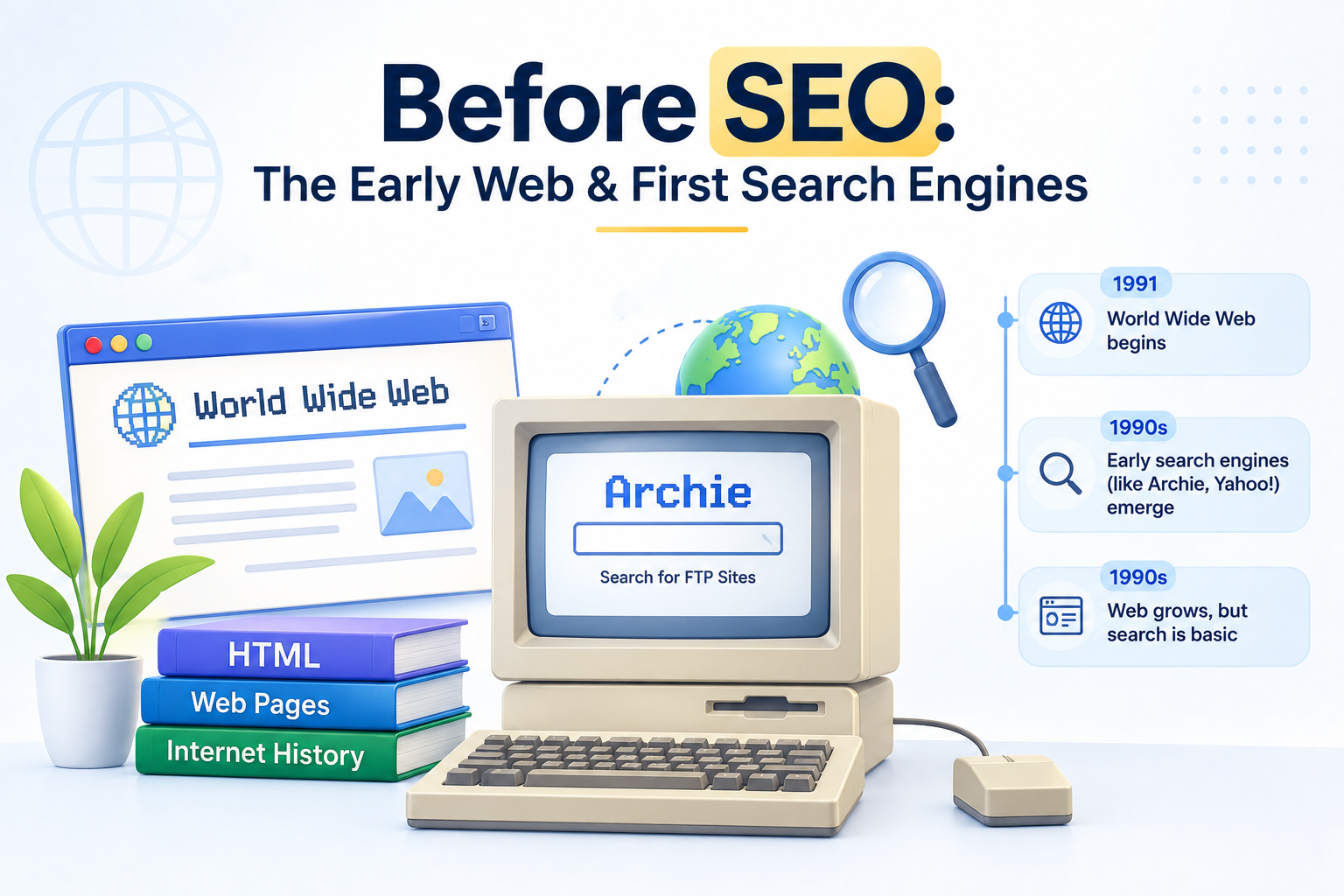
The History of SEO: How Search Engine Optimisation Began
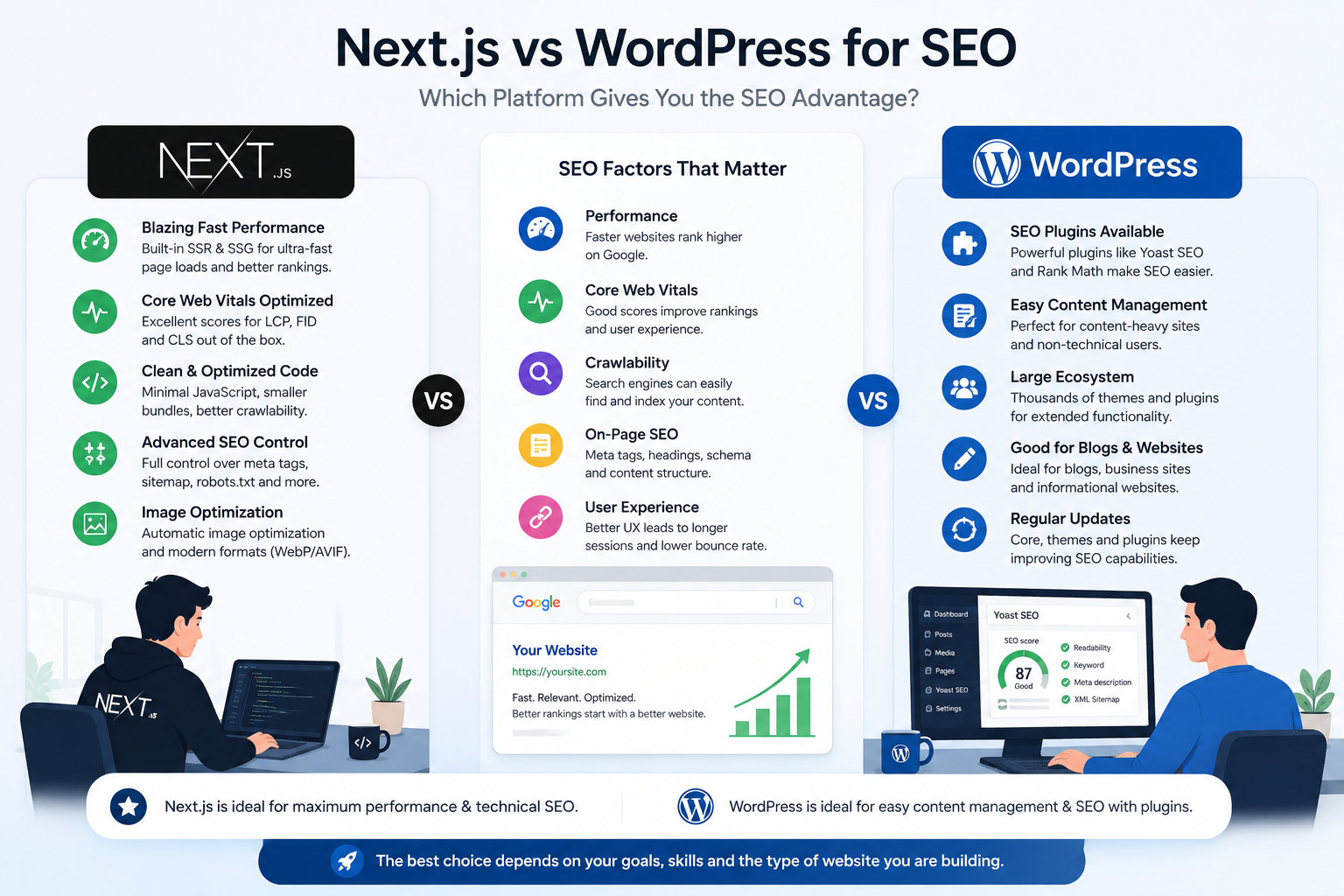
Next.js vs WordPress for SEO: What Matters
Organic SEO Marketing: Build Search Visibility That Compounds
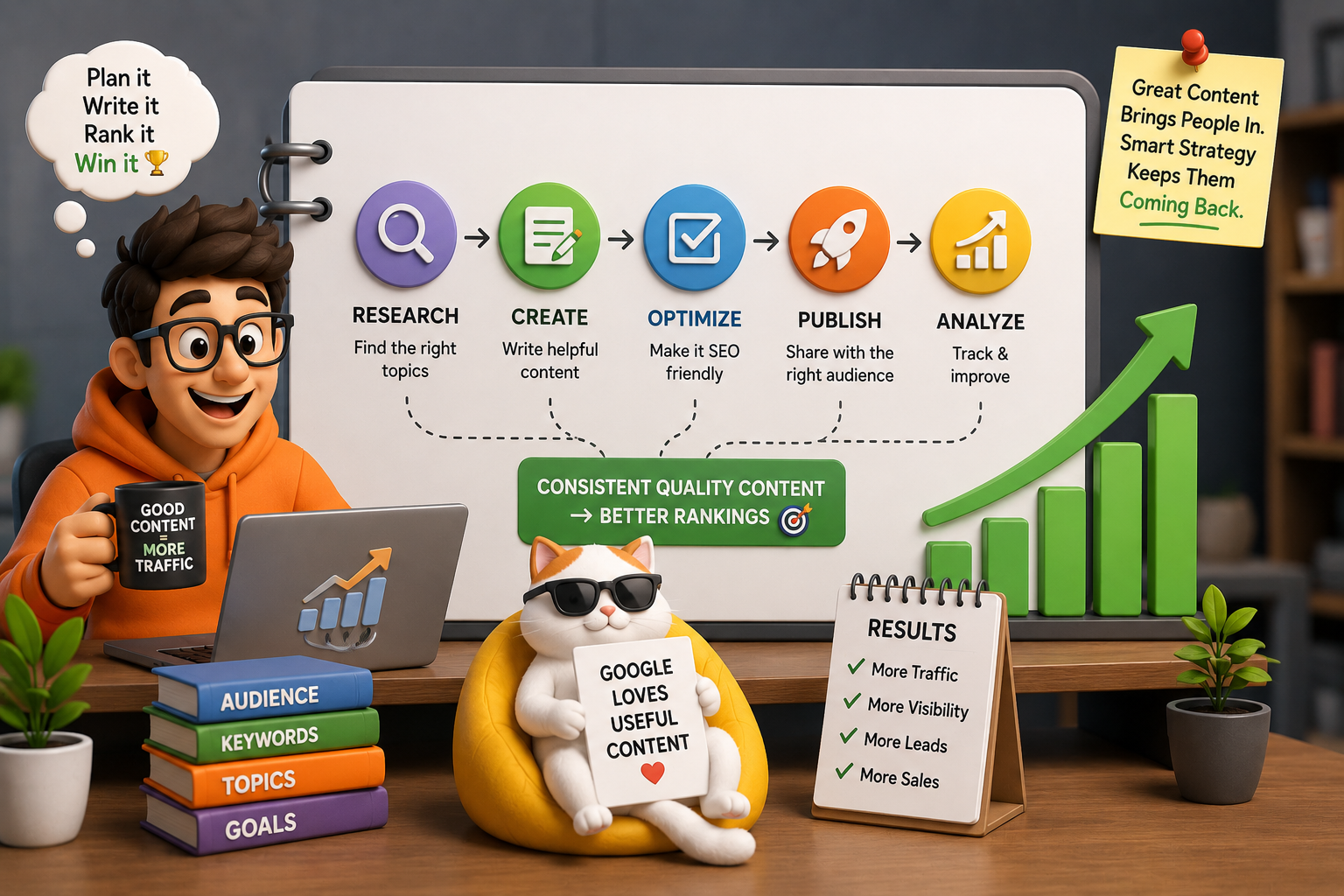
SEO Content Strategy: How to Create Content That Ranks and Converts