What Is an SEO Content Strategy?
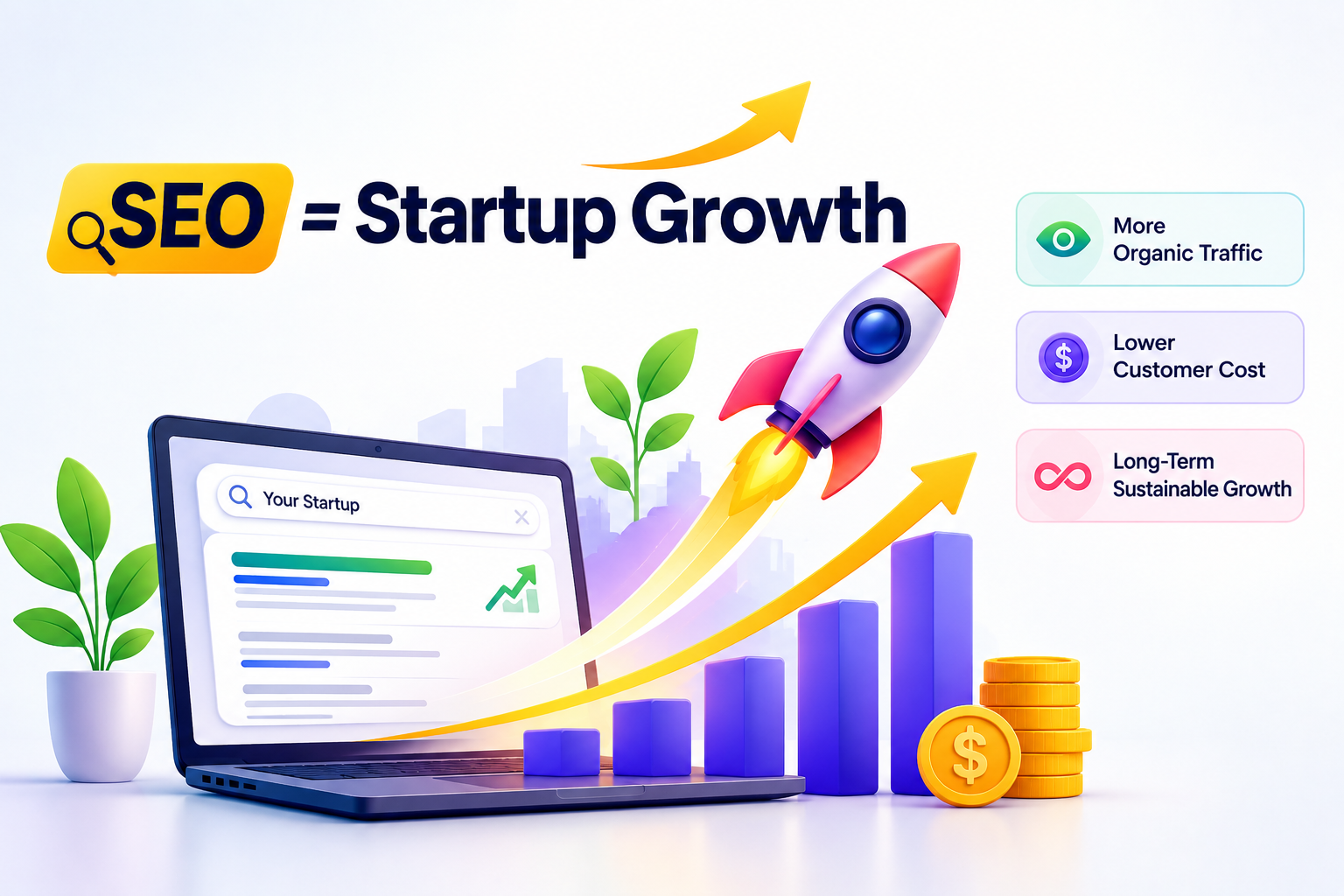
An SEO content strategy is a structured plan for creating, organizing, and publishing content that is specifically designed to rank in search engines and attract the right audience to your website. It goes beyond simply writing blog posts and hoping they perform. A genuine SEO content strategy starts with understanding what your target audience searches for, maps that demand to content topics and formats, and publishes those pieces in a deliberate sequence that builds topical authority over time.
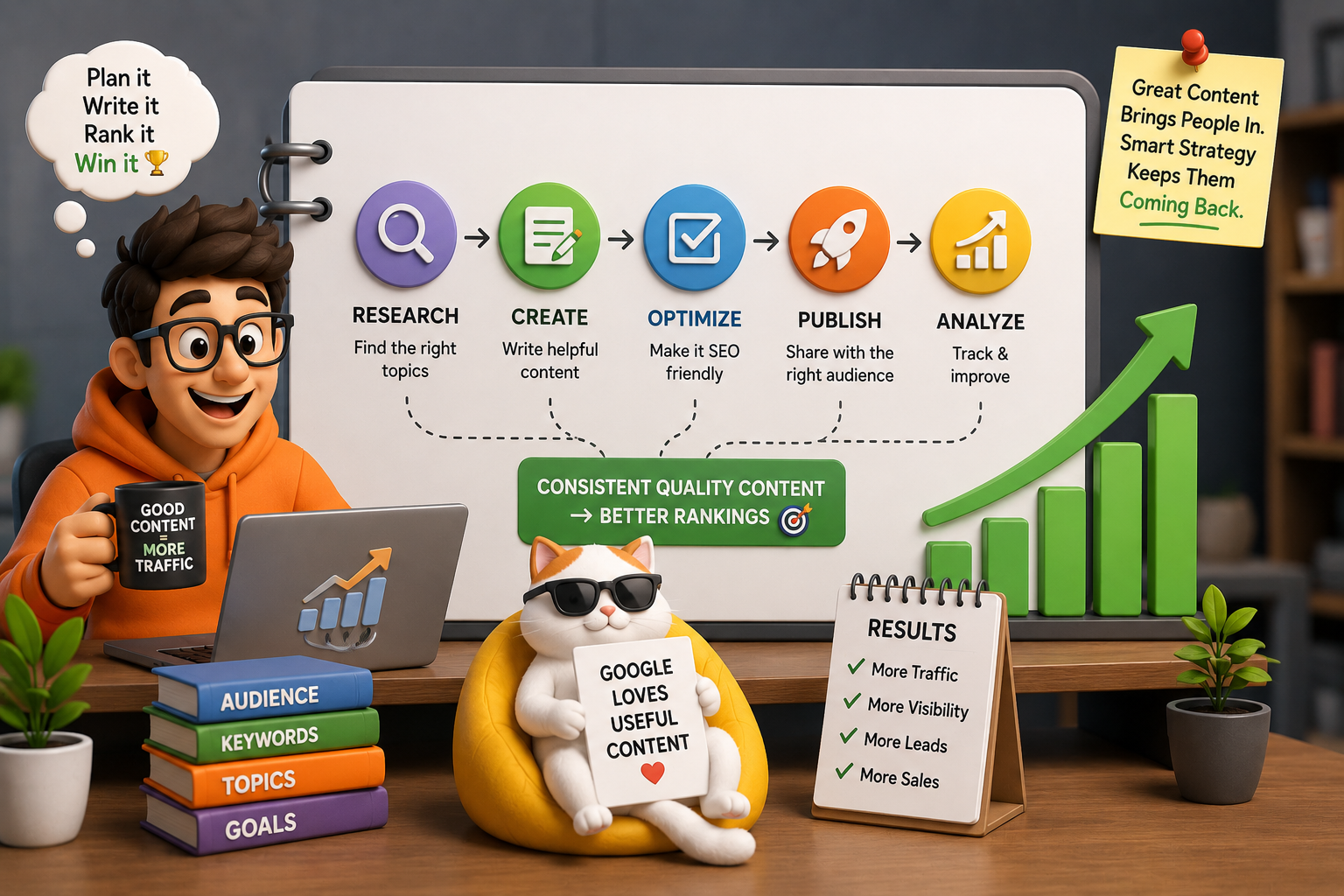
This is where most businesses go wrong. They produce content based on what they want to say rather than what their audience is actively searching for. The result is content that might be well-written but invisible in search because it does not align with real search demand. An SEO content strategy flips this around. Every piece of content starts with a search query, a defined audience need, and a clear purpose within the overall content architecture.
The distinction between an SEO content strategy and a general content strategy is important. A general content strategy might prioritize brand storytelling, social media presence, or thought leadership without any connection to search intent. An SEO content strategy treats search visibility as the primary distribution channel and organizes every content decision around ranking, relevance, and conversion. The two are not mutually exclusive, but they require fundamentally different planning approaches.
Why Content Is the Foundation of Every SEO Strategy
Search engines rank pages, not websites. Google does not decide that your website deserves to rank highly for a topic and then surface all of your pages accordingly. It evaluates each individual piece of content against every other piece of content targeting the same query and determines which one best serves the searcher. This means that without content, there is nothing for Google to rank and nothing for users to find.
Content is also what earns backlinks, which remain one of the strongest ranking signals available. Other websites link to content that is genuinely useful, thorough, or uniquely insightful. They do not link to service pages or product listings unless they have a specific reason to. A well-executed SEO content strategy produces the kind of content that earns links naturally, which in turn improves the authority of the entire domain and lifts rankings across all pages.
Content marketing is a vital piece of SEO strategy precisely because it addresses both the visibility and the trust dimensions of search. Visibility comes from targeting the right keywords with the right content. Trust comes from demonstrating genuine expertise and providing real value to readers. Google's quality guidelines explicitly reward what it calls Experience, Expertise, Authoritativeness, and Trustworthiness. Strong content is the primary way to signal all four of these qualities.
Content Strategy vs SEO Strategy: Are They the Same Thing?
They overlap significantly but they are not identical. An SEO strategy covers the full spectrum of factors that influence search rankings including technical SEO, backlink acquisition, site architecture, Core Web Vitals, and structured data. Content is one component of that broader strategy, though arguably the most important one for most businesses.
A content strategy, on the other hand, covers the planning, creation, distribution, and governance of all content a business produces, including content that has nothing to do with search. Email newsletters, social media posts, sales collateral, and video scripts are all within the scope of a content strategy but outside the scope of an SEO strategy.
An SEO content strategy sits at the intersection of both. It applies the planning rigor of a content strategy to the specific goal of improving search visibility and generating organic traffic that converts. For most businesses building their digital presence, this intersection is where the highest return on content investment lives.
How to Build an SEO Content Strategy Step by Step
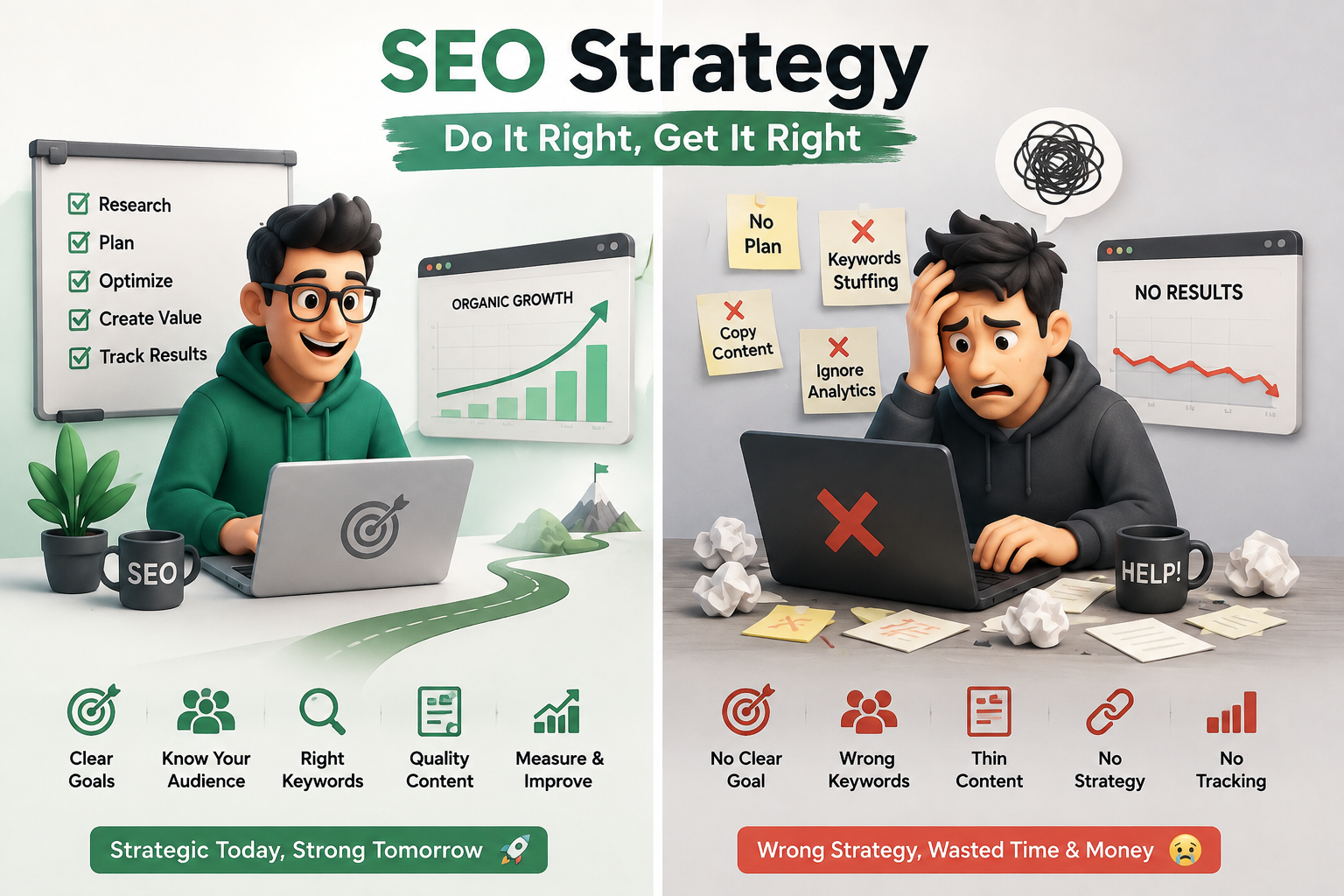
Step 1: Define Your Audience and Their Search Behavior
Before opening a keyword research tool, spend time understanding exactly who you are creating content for and what stage of the buying journey they are at when they search. A business owner searching "what is SEO" is at a completely different stage from one searching "SEO agency pricing." Both deserve content, but the content serves fundamentally different purposes and requires different approaches to be effective.
Map your audience's journey from awareness through consideration to decision. Identify the questions they ask at each stage and the language they use when asking them. This exercise prevents the common mistake of producing only top-of-funnel educational content while neglecting the comparison and decision-stage content that actually drives conversions.
Step 2: Keyword Research and Topic Mapping
Keyword research for an SEO content strategy goes beyond finding individual keywords to rank for. The goal is to map keyword clusters to content topics so that each piece of content can rank for multiple related keywords rather than just one. This cluster-based approach builds topical authority more efficiently than targeting isolated keywords and produces a content architecture that Google recognizes as comprehensive coverage of a subject area.
When evaluating keywords, prioritize search intent over volume. A keyword with 200 monthly searches from people actively looking to hire a service is more valuable than a keyword with 2,000 monthly searches from people who will never become customers. Semrush, Ahrefs, and Google Search Console are the three most useful tools for this research. For newer domains, focus on keywords with a KD score below 30 to target realistic ranking opportunities before building authority for more competitive terms.
Step 3: Plan Your Content Architecture
Content architecture is how your content is organized, connected, and presented to both users and search engines. The most effective structure for SEO is the pillar and cluster model, also known as silo architecture. A pillar page covers a broad topic comprehensively at a high level. Cluster pages cover specific subtopics within that broader topic in more depth. All cluster pages link back to the pillar, and the pillar links out to each cluster.
This structure tells Google that your site covers a topic completely rather than superficially. It concentrates link authority on the pillar page, which improves its ranking potential for competitive head terms. And it gives cluster pages enough internal link equity to rank for their specific long-tail queries even on a relatively new domain.
Step 4: Define Content Types and Formats
Not every keyword calls for the same type of content. An informational query like "what is technical SEO" deserves a comprehensive educational guide. A comparison query like "React vs Angular" deserves a structured comparison page. A commercial query like "best SEO agency for startups" deserves content that helps the searcher evaluate their options rather than a pure information dump. Matching the content format to the search intent is one of the most important factors in whether a page ranks and converts.
Step 5: Set a Publishing Cadence and Stick to It
Consistency matters more than volume. Publishing four well-researched, properly optimized pieces per month for twelve consecutive months will consistently outperform publishing twenty pieces in a burst and then going quiet for six months. Google rewards sites that publish consistently because it signals that the site is being actively maintained and that its content is current. Set a cadence you can genuinely sustain rather than an aspirational one you will abandon after the first month.
Step 6: Track Performance and Iterate
An SEO content strategy is not set-and-forget. Every piece of content should be monitored through Google Search Console and Google Analytics for impressions, clicks, average position, and on-page engagement metrics like time on page and bounce rate. Content that is gaining impressions but not clicks has a title or meta description problem. Content that is getting clicks but high bounce rates has an intent mismatch or content quality problem. Both are fixable with targeted updates rather than complete rewrites.
Content Types That Perform Best for SEO
Different content types serve different purposes in an SEO content strategy. Understanding what each type is best suited for helps you allocate your content creation effort where it will generate the most return.
Content Type Best For Typical Length Ranking Difficulty Conversion Potential Pillar page Broad topics, topical authority, internal linking hub 3,000 to 6,000 words Medium to high Medium How-to guide Informational queries, featured snippets, early-stage audience 1,500 to 3,500 words Low to medium Medium Comparison page Commercial intent queries, mid-funnel audience evaluating options 2,000 to 4,000 words Medium High Landing page Transactional queries, bottom-of-funnel conversion 800 to 2,000 words Medium to high Very high Blog post or article Long-tail keywords, topical cluster content, regular publishing cadence 1,000 to 2,500 words Low to medium Low to medium Glossary or definition page High-volume definition queries, featured snippet capture 500 to 1,500 words Low Low Case study Trust building, bottom-of-funnel decision support 1,000 to 2,000 words High Very high
How to Do Competitor Content Analysis
Competitor content analysis is one of the highest leverage activities in building an SEO content strategy. The goal is not to copy what competitors are doing but to find the gaps between what they cover and what the audience actually needs. Every gap is an opportunity to produce content that ranks where competitors are absent or underperforming.
Start by identifying the three to five websites that consistently appear in search results for your target keywords. Use Semrush or Ahrefs to see which keywords each competitor ranks for that you do not. Filter this list for keywords with low to medium difficulty and meaningful search volume. These are your immediate content opportunities. For each opportunity, look at the top-ranking page and ask honestly whether you can produce something more thorough, more current, more practical, or more clearly structured. If the answer is yes, that topic goes into your content calendar.
Also look for topics your competitors have covered but where the existing content is thin, outdated, or clearly written for search engines rather than real readers. A 600-word article from 2019 ranking in position 8 for a relevant keyword is a content gap waiting to be filled by someone willing to produce a genuinely comprehensive piece in 2025.
Structuring Content for Topical Authority
Topical authority is Google's assessment of how comprehensively a website covers a particular subject area. A site that publishes ten deeply researched articles on SEO consistently outranks a site that publishes one article on SEO and nine on unrelated topics, even if the individual article quality is similar. Google rewards specialization and depth.
Building topical authority requires a content architecture where related content is explicitly connected through internal links. Each cluster of related articles should link to each other and to a central pillar page that provides the broad overview of the topic. This network of internal links tells Google that the site covers the topic from multiple angles and at multiple levels of depth, which is the signal it uses to identify authoritative resources worth ranking prominently.
The practical implication is that publishing one excellent piece of content on a topic is less effective than publishing a cluster of five or six interconnected pieces that together cover the topic comprehensively. The cluster approach takes more upfront investment but produces ranking results that a single page strategy almost never achieves for competitive topics.
SEO Content Strategy by Business Type
Business Type Primary Content Focus Best Content Formats Key Performance Metrics B2B company Problem-aware educational content, industry guides, comparison pages Long-form guides, case studies, pillar pages Qualified leads, demo requests, time on page Ecommerce Product and category page optimization, buying guides, comparison content Product descriptions, buying guides, review content Organic revenue, product page rankings, conversion rate SaaS Use case content, feature comparisons, integration guides, problem-solution articles How-to guides, comparison pages, landing pages per use case Trial signups, MQL volume, organic traffic to pricing page Local business Location-specific service pages, local guides, FAQ content Service pages, local landing pages, blog posts about local topics Local pack rankings, phone calls, direction requests, enquiry form submissions
SEO Content Strategy for B2B Companies
B2B SEO content strategy requires a different approach from B2C because the buying journey is longer, involves multiple decision makers, and the search queries are more specific and lower in volume but higher in commercial value. A B2B buyer searching for a solution will typically consume multiple pieces of content over weeks or months before making a purchase decision. The content strategy needs to serve that entire journey rather than focusing exclusively on bottom-of-funnel conversion content.
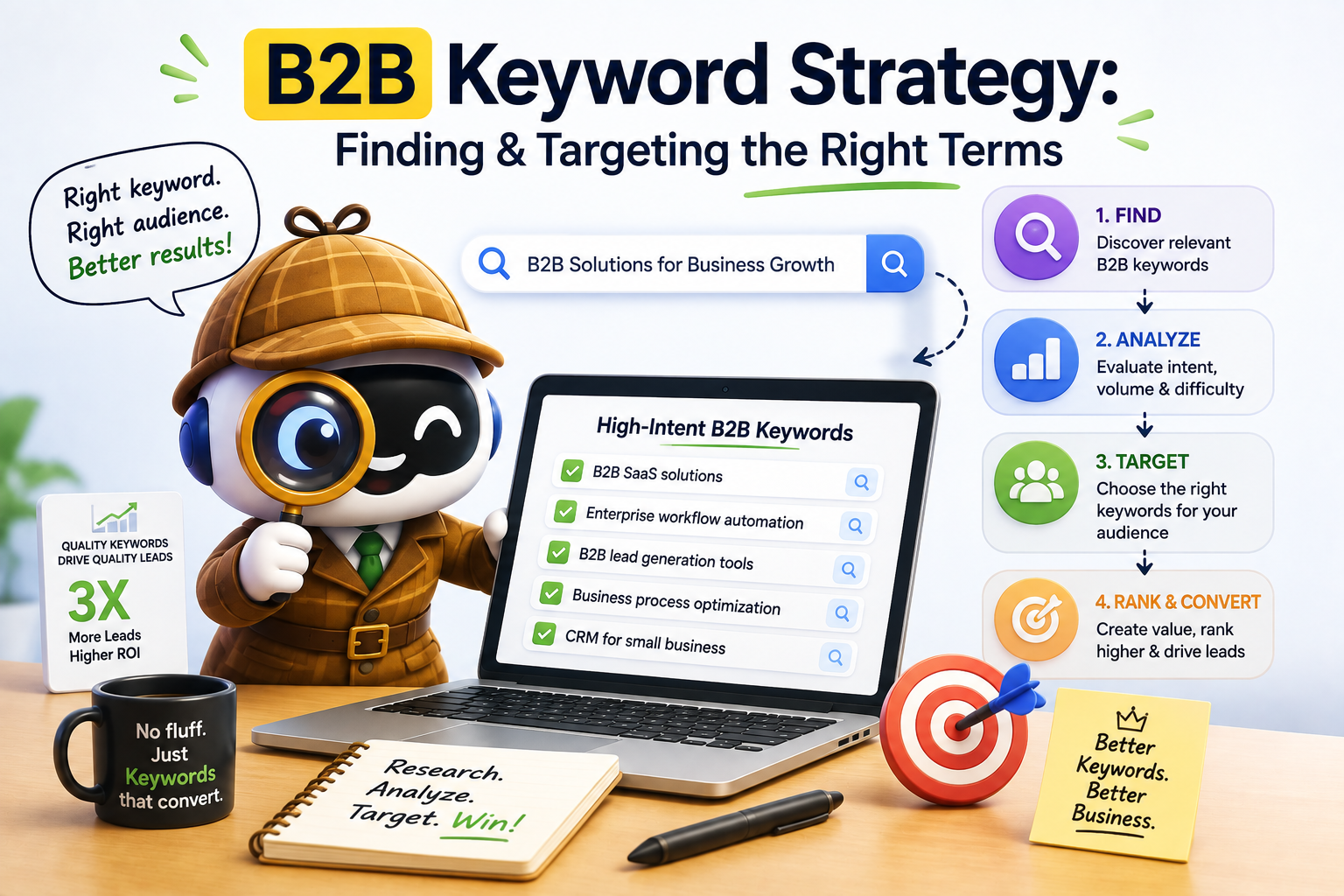
For lead generation focused B2B content, the most effective approach is to create pillar content around the core problems your ideal clients face, cluster content that goes deeper on specific aspects of those problems, and conversion-focused landing pages that present your service as the solution. Each layer serves a different stage of the buyer journey and connects to the others through deliberate internal linking that guides readers progressively toward making contact.
SEO Content Strategy for Ecommerce
Ecommerce SEO content strategy operates at two levels simultaneously. Product and category pages are the commercial backbone of the site and need to be optimized for transactional queries with compelling descriptions, proper structured data markup, and unique content that differentiates each page from manufacturer descriptions and competitor listings.
Editorial content including buying guides, product comparisons, how-to articles, and trend roundups attracts informational traffic from people in the earlier stages of the purchase journey. This content builds brand awareness and organic traffic, provides internal linking opportunities to product and category pages, and earns the kind of backlinks that commercial product pages rarely attract on their own. For WooCommerce stores in particular, a consistent editorial content strategy compounds in value significantly over time as the domain authority grows.
SEO Content Strategy for SaaS Companies
SaaS content strategy is often discussed as the gold standard for SEO-driven content because companies like HubSpot, Ahrefs, and Semrush have demonstrated what is possible when content strategy is treated as a core growth channel rather than a marketing afterthought. The model they have proven is relatively straightforward: create the most comprehensive educational resource available for every topic your target audience searches for, and convert a percentage of that traffic into trial signups or product demos.
For SaaS companies debating between a content strategy and an SEO strategy, the honest answer is that at the scale most SaaS businesses operate, they are the same thing. The content is the SEO strategy. Every well-ranking article drives awareness, every comparison page captures decision-stage traffic, and every integration guide attracts the specific user persona most likely to become a long-term customer.
How to Integrate Social Media Into Your SEO Content Strategy
Social media does not directly improve search rankings in the way that backlinks do. Google has been explicit that social signals are not a direct ranking factor. The indirect impact, however, is significant and worth building into your content strategy deliberately.
Content that performs well on social media generates traffic, which signals to Google that the page is worth indexing and surfacing. Social distribution also increases the likelihood that the content reaches other content creators, journalists, and website owners who might link to it, which does directly improve rankings. TikTok content in particular has become increasingly visible in Google search results for some query types, making social video a legitimate component of a modern SEO content strategy for consumer facing brands.
The practical integration approach is to publish the long-form SEO content on the website first, then extract and adapt shorter format content for social channels. A 3,000-word pillar page becomes a carousel post on LinkedIn, a short video on TikTok, and a thread on X. Each social format drives a percentage of its audience back to the full piece on the website, increasing time on site and reducing the reliance on organic search alone for content distribution.
How AI Tools Are Changing SEO Content Strategy in 2025
AI tools have fundamentally changed the economics of content production. Tasks that previously took hours now take minutes. First drafts, content briefs, meta descriptions, FAQ generation, and content outlines can all be produced at a speed that was impossible two years ago. This has lowered the barrier to content production for every business, which also means the bar for what constitutes genuinely useful content has risen significantly.
The right way to use AI in an SEO content strategy is as an accelerator for human expertise, not a replacement for it. ChatGPT and similar tools are excellent at producing structured outlines, generating first drafts that humans then edit with genuine expertise, and creating variations of content for different formats and audiences. They are poor at producing original insights, citing current data accurately, reflecting genuine first-hand experience, or writing with the kind of distinctive voice that builds brand recognition over time.
Factor AI-Generated Content Human-Written Content AI-Assisted Human Content Ranking potential Moderate if well-edited High with proper optimization High, best of both approaches Production speed Very fast Slow Fast Cost Low High Medium Originality and insight Low, often generic High when expert-written Medium to high E-E-A-T signals Weak without human editing Strong with expert authors Strong when human expertise is clearly present Google's stance in 2025 Acceptable if helpful to users, penalized if low quality Preferred when it demonstrates genuine expertise Recommended approach for most businesses
SEO Content Strategy Tools
Tool What It Does Free or Paid Best For Semrush Keyword research, competitor analysis, content gap analysis Paid with limited free tier Full keyword strategy and competitor research Ahrefs Backlink analysis, keyword research, content explorer Paid Backlink research and content gap identification Google Search Console Tracks impressions, clicks, average position, and indexing status Free Monitoring existing content performance and finding quick wins Surfer SEO Content optimization against top-ranking pages, NLP analysis, content scoring Paid On-page optimization and content briefs ChatGPT or Claude Content outlines, first draft generation, FAQ creation, meta data writing Free and paid tiers Accelerating content production with human editorial oversight Google Analytics 4 Traffic analysis, conversion tracking, audience behavior Free Measuring content impact on conversions and user behavior Notion or Airtable Content calendar management, editorial planning, workflow tracking Free and paid tiers Managing publishing cadence and team collaboration
How to Track and Measure SEO Content Performance
Measuring SEO content performance requires tracking metrics at two levels simultaneously. Search performance metrics tell you how the content is performing in Google. Business impact metrics tell you whether that performance is actually driving outcomes that matter.
In Google Search Console, the most important metrics to watch for each piece of content are total impressions, total clicks, average CTR, and average position. A page with high impressions and low CTR has a meta title or description problem. A page with improving position but still outside the top ten needs more internal links pointing to it and possibly a content update to add more depth. A page that has reached the top five for its target keyword but is generating few conversions has an intent alignment or CTA problem.
In Google Analytics, track organic traffic to each content piece, average session duration, pages per session for visitors who arrive through that content, and goal completions or conversion events attributed to organic search. Content that drives long sessions with multiple page views is building brand familiarity and topical authority signal. Content that drives direct conversions is generating immediate commercial return. Both are valuable, but they require different optimization approaches.
Advantages and Drawbacks of an SEO Content Strategy
Advantages
Organic traffic compounds over time. A piece of content published today can continue driving traffic for years without additional investment, unlike paid advertising which stops the moment the budget runs out.
Customer acquisition cost decreases as the content library grows. The cost of producing the hundredth piece of content is the same as the first, but the domain authority built by the first ninety-nine makes the hundredth rank faster and generate more traffic.
Topical authority builds a defensible competitive position. A competitor can match your ad spend overnight but cannot replicate years of consistently published, highly ranked content in any meaningful timeframe.
Content serves multiple business functions simultaneously. The same piece that attracts organic traffic can be used in email campaigns, shared on social media, referenced in sales conversations, and cited in proposals.
Drawbacks
Results are slow initially. Most new content takes three to six months to reach meaningful ranking positions, which requires patience and sustained investment before the returns become visible.
Content creation requires ongoing investment of time, expertise, and budget. A strategy that produces strong results requires consistent publishing discipline that many businesses underestimate when they start.
Algorithm changes can temporarily disrupt rankings. Google updates its ranking systems regularly and content that ranks well today may need to be updated or restructured following a significant algorithm change.
Measuring ROI is less immediate than paid channels. The attribution path from a blog post read six months ago to a sale today is difficult to track precisely, which can make it harder to justify the investment to stakeholders who prefer direct attribution models.
Build Your SEO Content Strategy With Munix Studio
An SEO content strategy that actually drives results requires the right keyword research, a well-structured content architecture, technically sound publishing infrastructure, and the consistent execution to build topical authority over time. At Munix Studio we combine SEO expertise with content strategy to help businesses build organic traffic that compounds month over month.
SEO Optimization — Keyword research, content strategy planning, on-page optimization, and technical SEO implementation that gives your content the best possible chance of ranking.
Digital Marketing — Integrated marketing strategy that amplifies your SEO content through social media, email, and paid channels to maximize reach and return.
Website Development — A technically sound website built on React and Next.js that loads fast, is structured for topical authority, and gives your content the technical foundation it needs to rank.
Dedicated Developers — Hire a dedicated resource who works directly with your team on content production, SEO implementation, and the ongoing publishing cadence that an effective content strategy requires.
Frequently Asked Questions
Ready to Get Started?
SEO Optimization
Keyword research, content strategy planning, on-page optimization, and technical SEO implementation that gives your content the best possible chance of ranking consistently.
Explore SEO OptimizationRelated Articles

Ecommerce SEO: The Complete Guide to Ranking Your Online Store
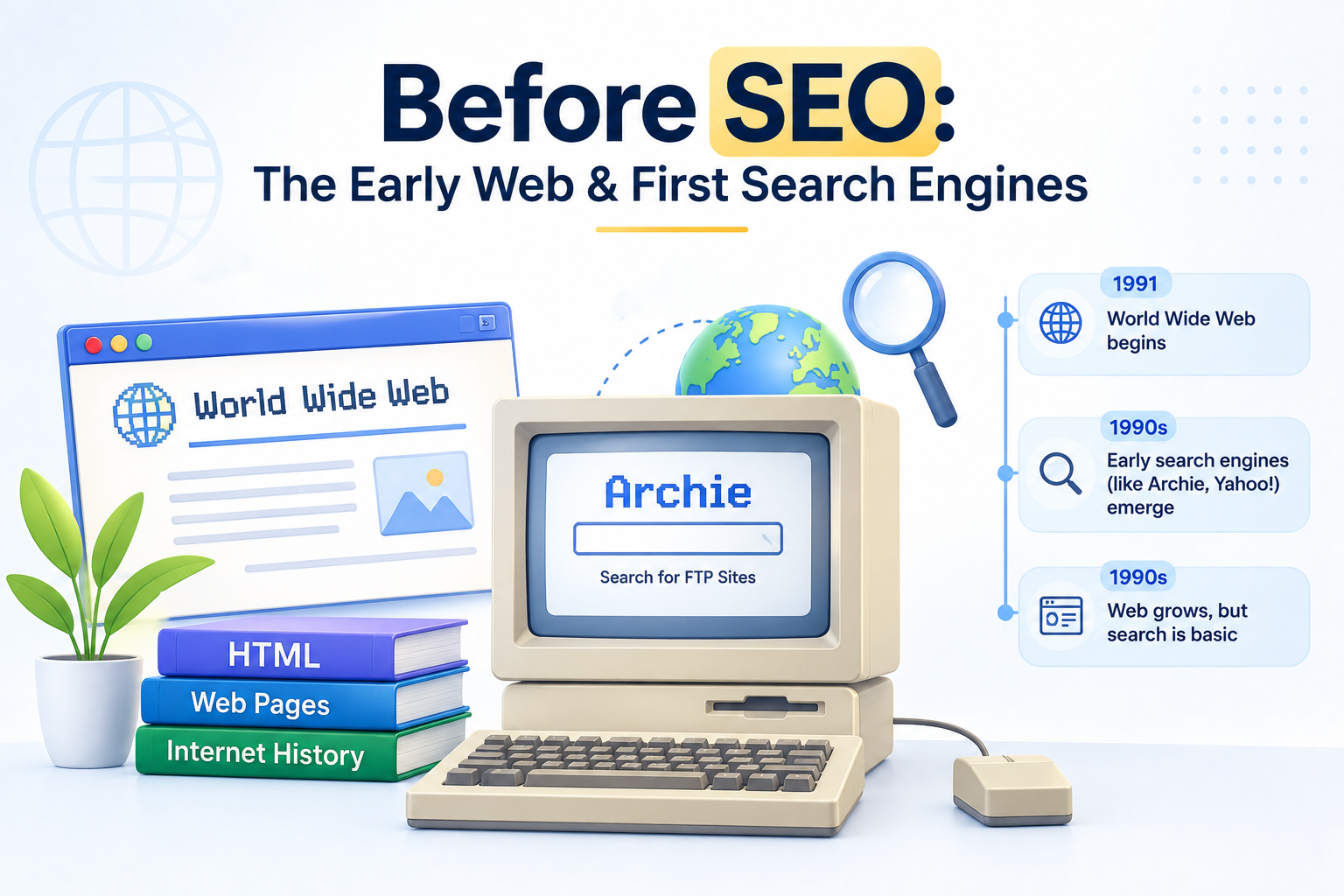
The History of SEO: How Search Engine Optimisation Began
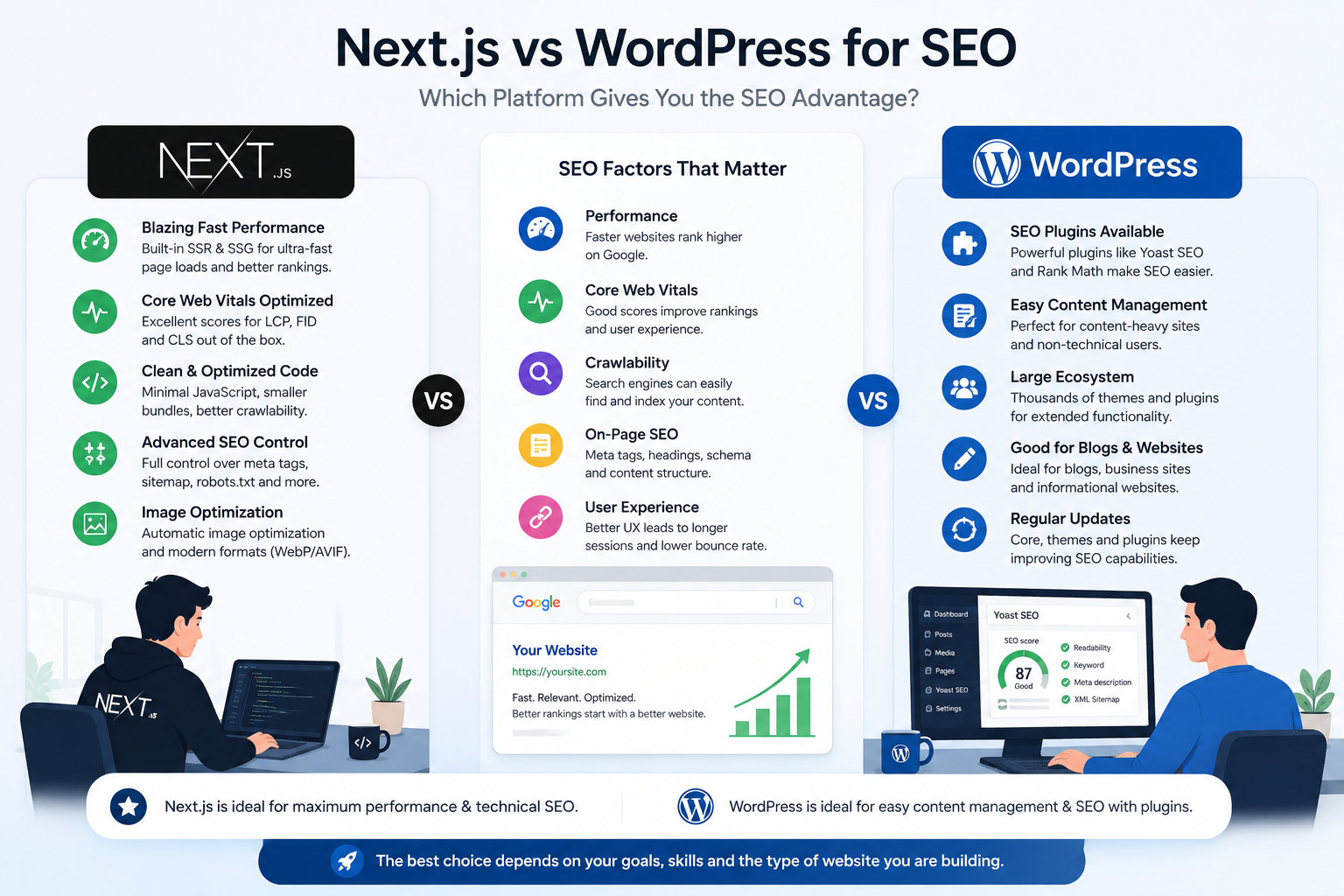
Next.js vs WordPress for SEO: What Matters
Organic SEO Marketing: Build Search Visibility That Compounds
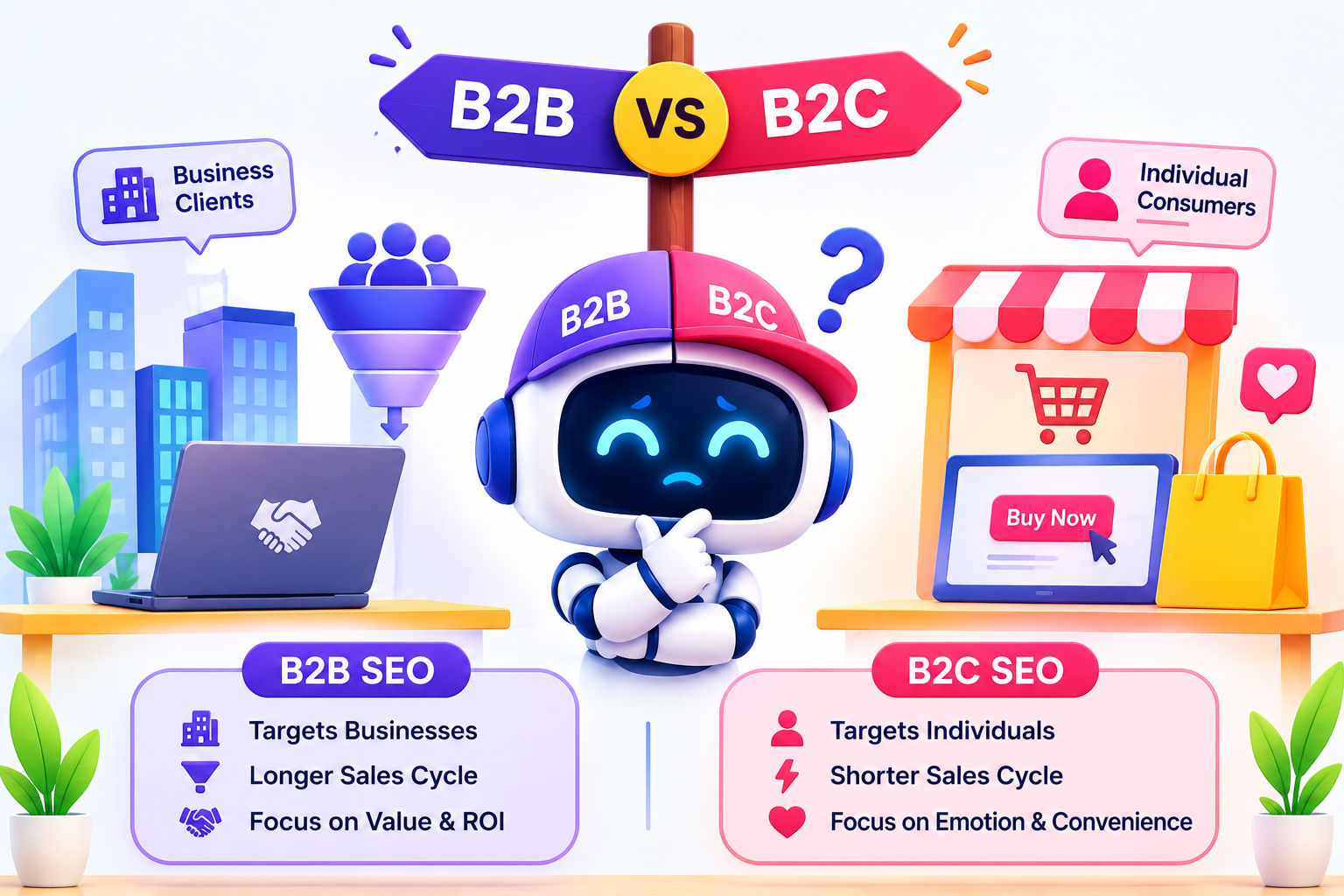
SEO for B2B Companies: A Complete Strategy Guide